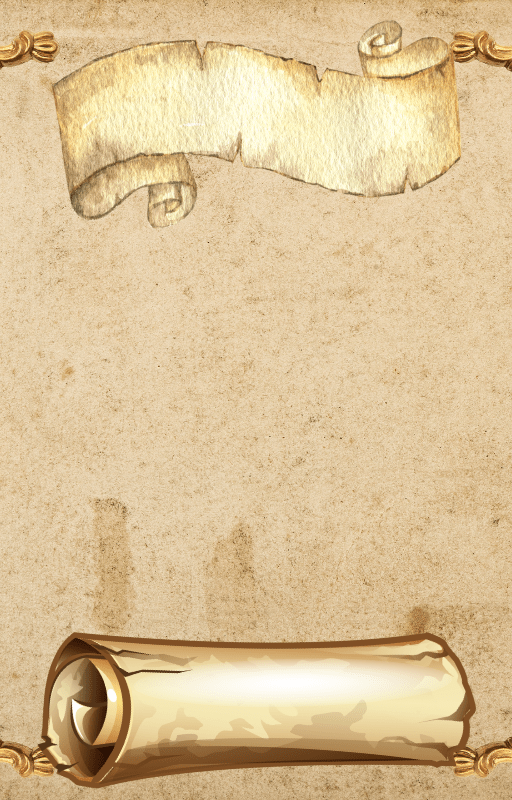
Here’s a list of creative ideas for homeschool parents to use vintage-looking scroll stationery in their lessons. The combination of history, ancient themes, and poetry will make learning engaging and immersive for kids:
More learning offers on our Etsy shop:
1. Ancient Letter Writing Practice
- Historical Correspondence: Have students write letters from the perspective of famous historical figures like Julius Caesar, Cleopatra, or Socrates. Encourage them to use the vintage scroll stationery to reflect the era, using period-appropriate language and historical references.
- Family Letters Through Time: Have students write a letter from the perspective of a family member living in ancient Greece or Rome. They can describe daily life, societal rules, and historical events of their time.
2. Poetry Composition
- Write Classical Poetry: Encourage students to write their own poems inspired by ancient poets like Homer, Sappho, or Catullus. The vintage stationery gives them the perfect setting for composing poetic works about gods, myths, or nature.
- Poetry Interpretation: After reading an ancient poem, ask students to write a modern interpretation of the poem, preserving its essence but in their own voice.
3. History-based Journaling
- Historical Diaries: Ask children to keep a daily or weekly journal from the perspective of an ancient historian or archaeologist. They could document “discoveries” or describe ancient cities and cultures as if they were part of a historical excavation.
- Time Travel Journals: Encourage kids to imagine they’ve traveled back in time to ancient Egypt, Greece, or Rome and write detailed journal entries about what they see, hear, and experience.
4. Mythological Storytelling
- Write a Myth: Have students use the vintage scroll stationery to write their own versions of ancient myths or to create original myths inspired by ancient cultures. They can make up their own gods and mythical creatures and explore themes like love, war, or creation.
- Illustrate a Myth: After reading an ancient myth, ask the children to write and illustrate a new part of the myth, imagining what might happen next. Use the scroll to make it feel like an ancient manuscript.
5. Letter from the Gods
- Divine Correspondence: Assign students the task of writing a letter from the perspective of an ancient deity, like Zeus, Athena, or Apollo. The letter could be addressed to a mortal, explaining a divine command or giving guidance.
- Mythical Messages: Kids can write a letter to an ancient god or goddess asking for advice on a problem they’re facing. This could be a fun way to explore the characteristics of these deities and how they are represented in myths.
6. Creative Ancient Maps and Geography
- Draw Ancient Maps: Use the scroll stationery as a backdrop for drawing maps of ancient civilizations—Rome, Greece, Egypt, or Mesopotamia. The maps could detail the geography, landmarks, and famous cities of the time.
- Travel Journals: Create a “travel journal” for an ancient explorer. Students can document their travels across the Mediterranean, describing different ancient cultures, landscapes, and encounters along the way.
7. Historical Poetry Analysis
- Poetry Analysis from Ancient Texts: Select a passage from an ancient text (like the Iliad or the Aeneid) and ask students to write a poetic analysis on the themes and techniques used by the poet. They can copy the text onto the scroll and reflect on its deeper meaning.
- Compare Ancient Poets: Have students write a comparative analysis between two ancient poets, such as Sappho and Ovid, using the scroll stationery to present their findings in a visually engaging way.
8. Philosophical Reflections
- Socratic Journals: Inspired by Socratic questioning, have students write journal entries in response to deep philosophical questions on ethics, love, or virtue. Use the scrolls to mimic the formality and seriousness of the Socratic dialogues.
- Ancient Wisdom: After learning about an ancient philosopher (like Plato or Aristotle), students can write letters or reflections on how that philosopher’s ideas apply to modern-day issues. These reflections can be written on the scroll for added historical flair.
9. Ancient-Inspired Vocabulary and Spelling
- Latin or Greek Vocabulary Practice: Use the scroll for practicing Latin or Greek vocabulary. Have students write sentences using newly learned words or create their own glossary of ancient terms related to history or mythology.
- Word Searches or Crosswords: Create word searches or crossword puzzles based on ancient vocabulary and have children complete them on the scroll paper, giving them an authentic and fun touch.
10. Creative Writing with Ancient Prompts
- Time Traveler’s Tale: Give students a creative writing prompt where they travel back to ancient Rome or Greece. They can write a story about meeting a historical figure or participating in a key historical event.
- Letters to the Future: Have children write a letter from an ancient civilization to the future, imagining what life might be like hundreds or thousands of years from their time. The scrolls will make the letters feel like they’re coming from the past.
11. Historical Reenactment Scripts
- Write Historical Scenes: Ask students to write their own scripts for a scene in an ancient play or historical reenactment. This could be a scene from ancient Greek theater or a key event in Roman history. The scrolls can act as both the medium for writing and the script used in the reenactment.
- Create Your Own Drama: Encourage children to write and perform a short play based on an ancient myth, like the Trojan War, or an event from ancient history. The scrolls can be the perfect “ancient” manuscript for the play’s script.
12. Art History and Calligraphy
- Calligraphy Practice: Teach kids the art of calligraphy and ask them to practice ancient styles of writing. They can copy famous ancient inscriptions or write poems in their best calligraphy on the scroll.
- Create Ancient Artworks: Ask students to draw their favorite scenes from ancient myths or historical events on the scroll, incorporating traditional art styles from the period.
13. Creating Ancient-Inspired Letters
- Writing to Famous Figures: Have students write letters to famous figures like Alexander the Great, Julius Caesar, or Cleopatra. They can ask questions or offer advice based on what they’ve learned about these individuals in history.
- Scribe’s Diary: Students could assume the role of an ancient scribe and write about their daily duties, describing the challenges and rewards of preserving history through written word.
These ideas turn the vintage scroll stationery into more than just a beautiful backdrop; it becomes a tool for immersive learning, history exploration, creative expression, and even philosophy. By incorporating this tactile and artistic medium into homeschooling, you can ignite a child’s imagination and curiosity about the ancient world while also honing their writing and analytical skills.
Other scroll stationery
Purchase our premium worksheets, lesson plans, Spanish lessons, and more on our Etsy shop:
Eve
Discover more from Creative Kids
Subscribe to get the latest posts sent to your email.


