English is my second language. learned it as an adult. Since I love to learn properly, grammar has been my best friend.
With this short poem, I was trying to make the distinction between advice and advise after I realized I had used the improper spelling of the word. Actually, I thought it was only one word long ago.
When you write, you learn. My advise if you are trying to make a distinction between the two words is to use them in writing. I know now, before, while I was confused and knew I could make a mistake, I would search the difference and find help from a blog post like this one or an article.
Difference between advice and advise
The difference between advise and advice is simple:
Advice is a noun, meaning a suggestion or recommendation. Example: “She gave me great advice.”
Advise is a verb, meaning to offer a suggestion. Example: “I advise you to listen carefully.”
Tip: Use “advice” when you’re talking about the suggestion itself, and use “advise” when you’re talking about giving or offering that suggestion.
To advice is a verb or a word that refers to action. The action is advising. The word is spelled with an s whenever you say TO ADVISE or ADVISING because these refer to the verb or the action of advising another.
A noun is a thing, wether a physical thing like a table or a non physical thing such as advice
Sentences and examples
When someone is giving a suggestion or recommendation, the action is called advising. So, “advising” is the act of offering advice.
Advice is the thing: the words or suggestions and to advise is the action of saying the advice.
For example:
Verb: “The teacher is advising the students to study.”
Noun: “The advice she gave was helpful.”
Just remember: the action of giving advice = advising!
Here are a few simple sentences for children to help them remember the difference between advise and advice:
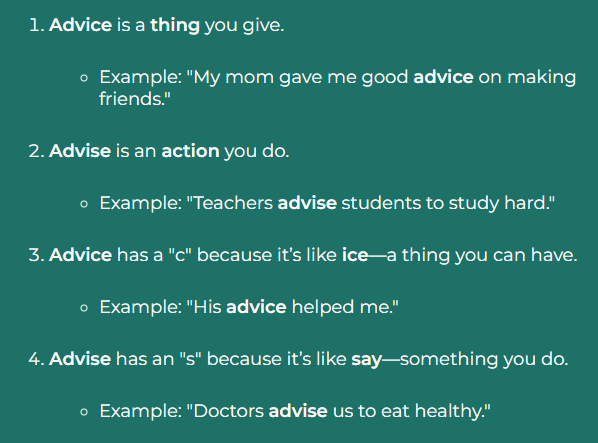
Advice is a thing you give.
Example: “My mom gave me good advice on making friends.”
Advise is an action you do.
Example: “Teachers advise students to study hard.”
Advice has a “c” because it’s like ice—a thing you can have.
Example: “His advice helped me.”
Advise has an “s” because it’s like say—something you do.
Example: “Doctors advise us to eat healthy.”
These can make it fun and easier for children to remember the difference!
Was this helpful?
Feel free to use my poem in your lesson or class or as a reminder.
Please tell me if you would like to see more like this,
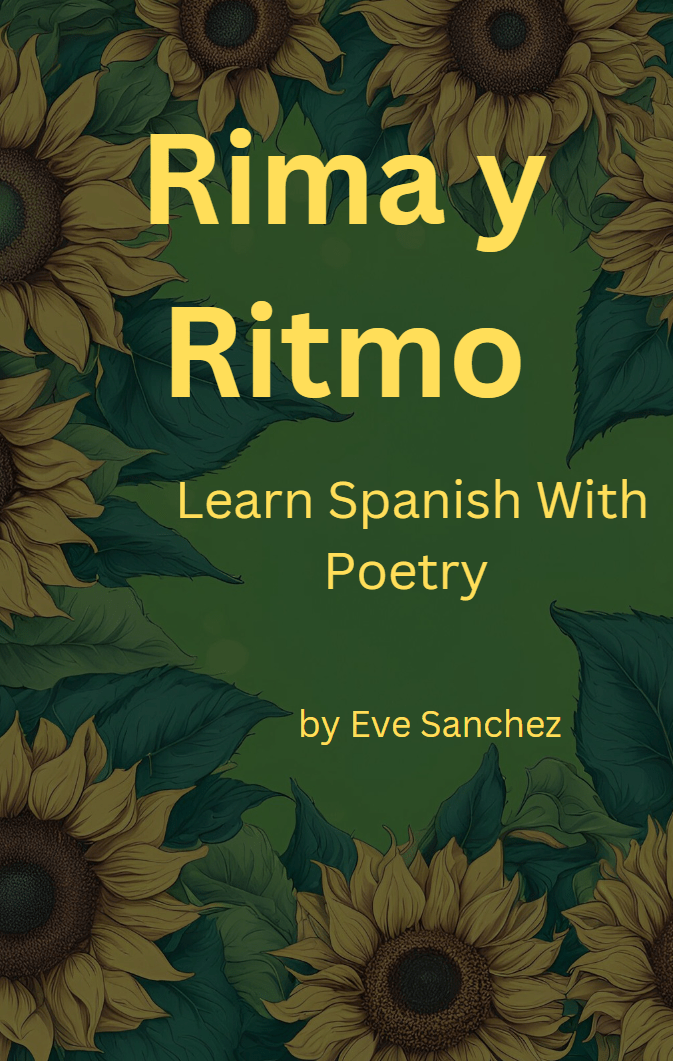
Rima y Ritmo is my cool Spanish class where I use poetry to teach my kids my native language. I already taught this lesson to my children, and they loved it. I am currently designing lesson 2: the poem is about a butterfly.
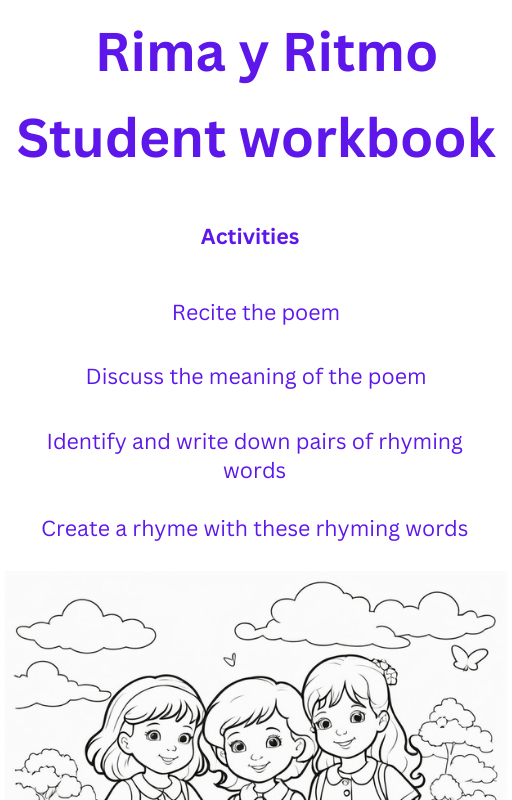
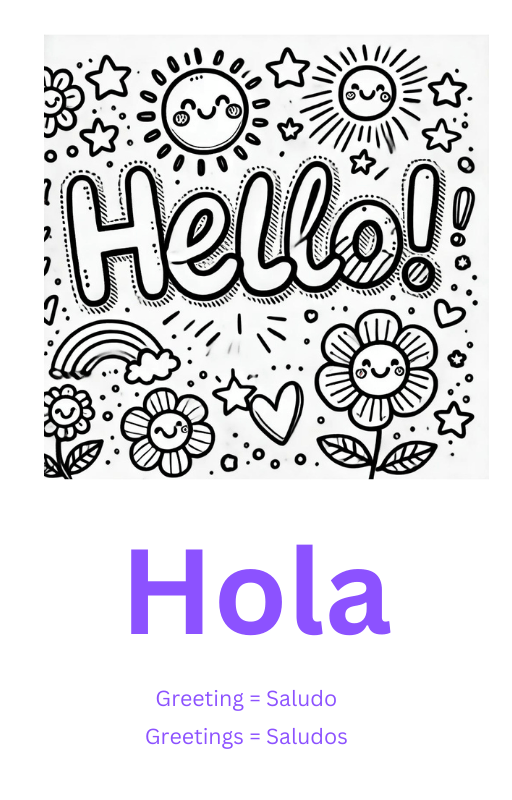
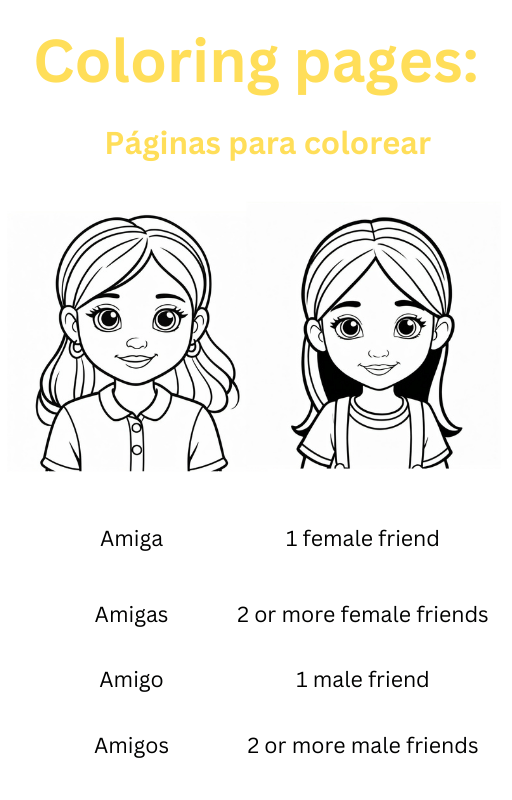
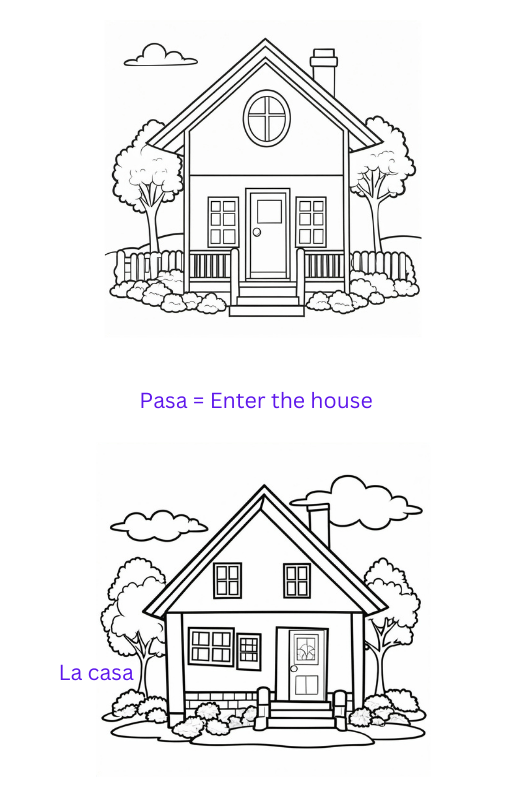
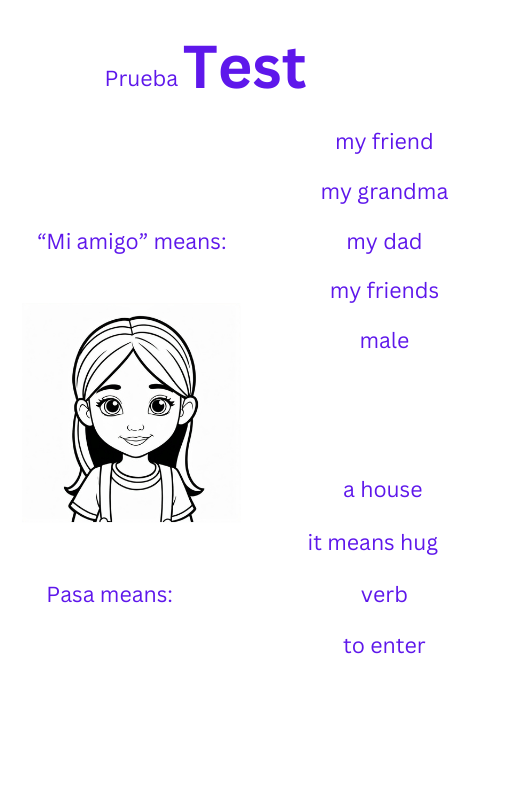
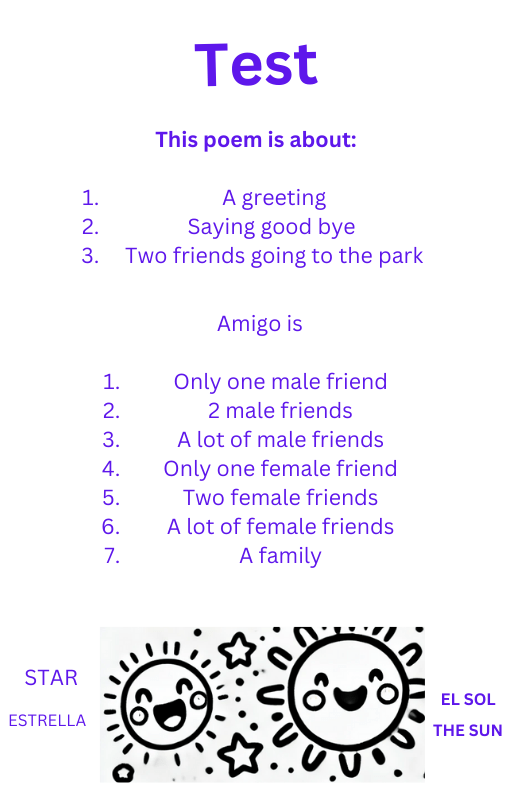
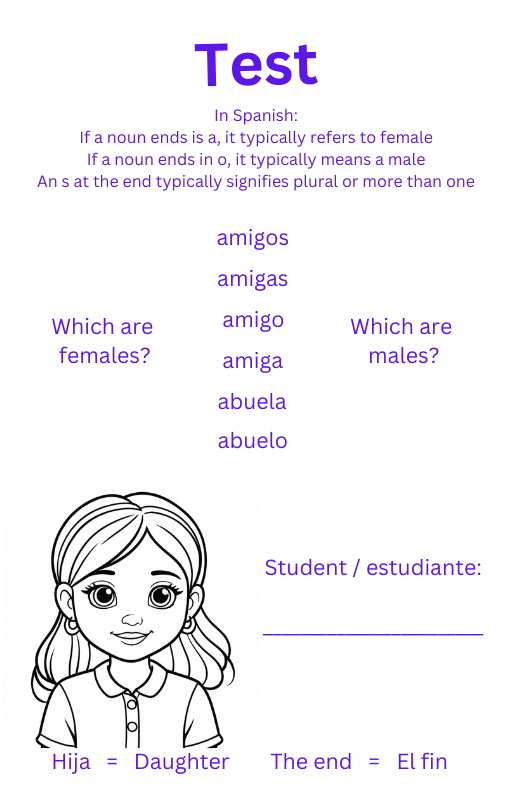
Below are the printable worksheets from my Rima y Ritmo class 1 ebook.
Print the printables, including the poem and read the lesson plan I linked above and using the poem and translation, work through these exercises. My children found them non easy.
Let me know if you need the answers.
Let me know if this helped and if you want to see more like this.
(Spanish learning/ teaching? Scrool to the end for my fun lesson)
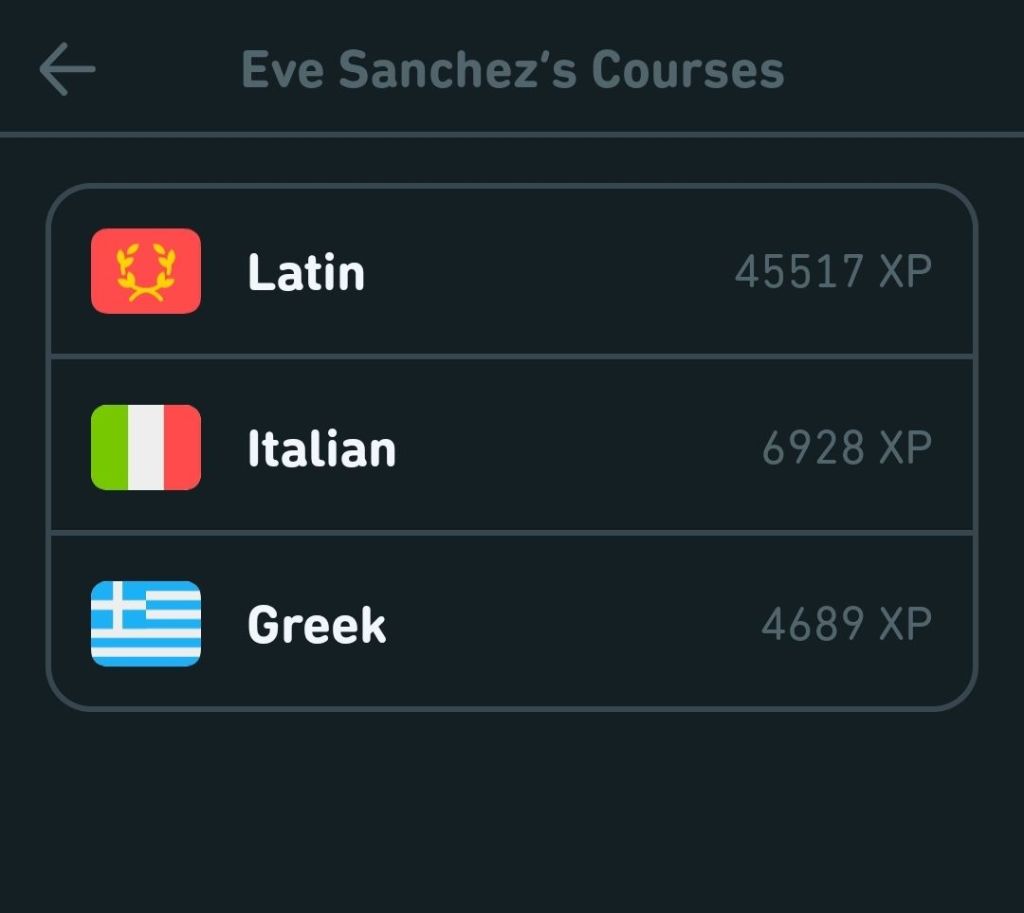
It is true that I love language study and learning and I love Duolingo, even though I am not happy they do not have a level two once you finish you language course. I finished my Latin course and got bored, picked up 2 more languages…
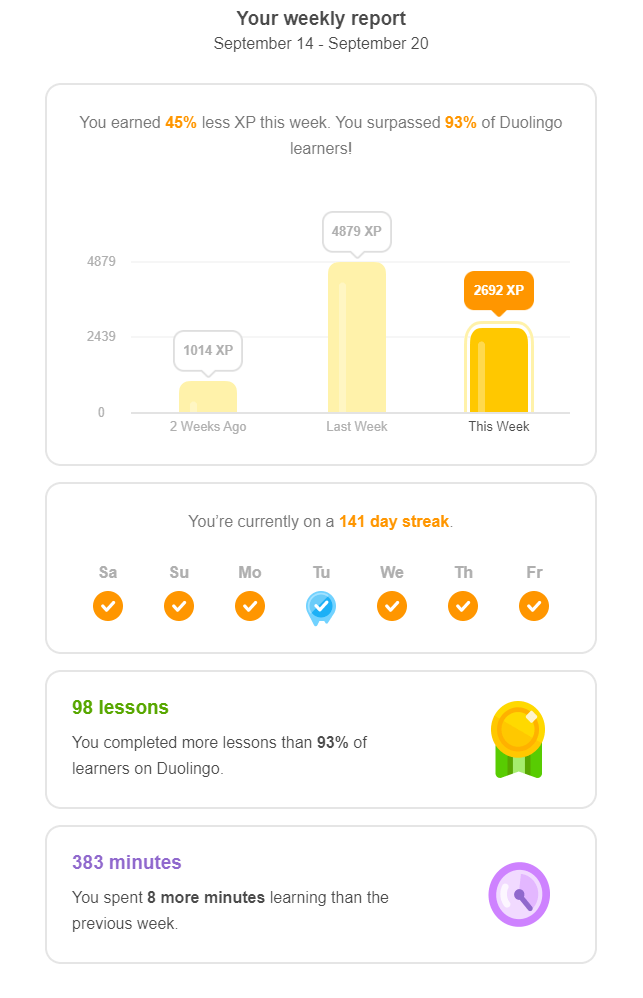
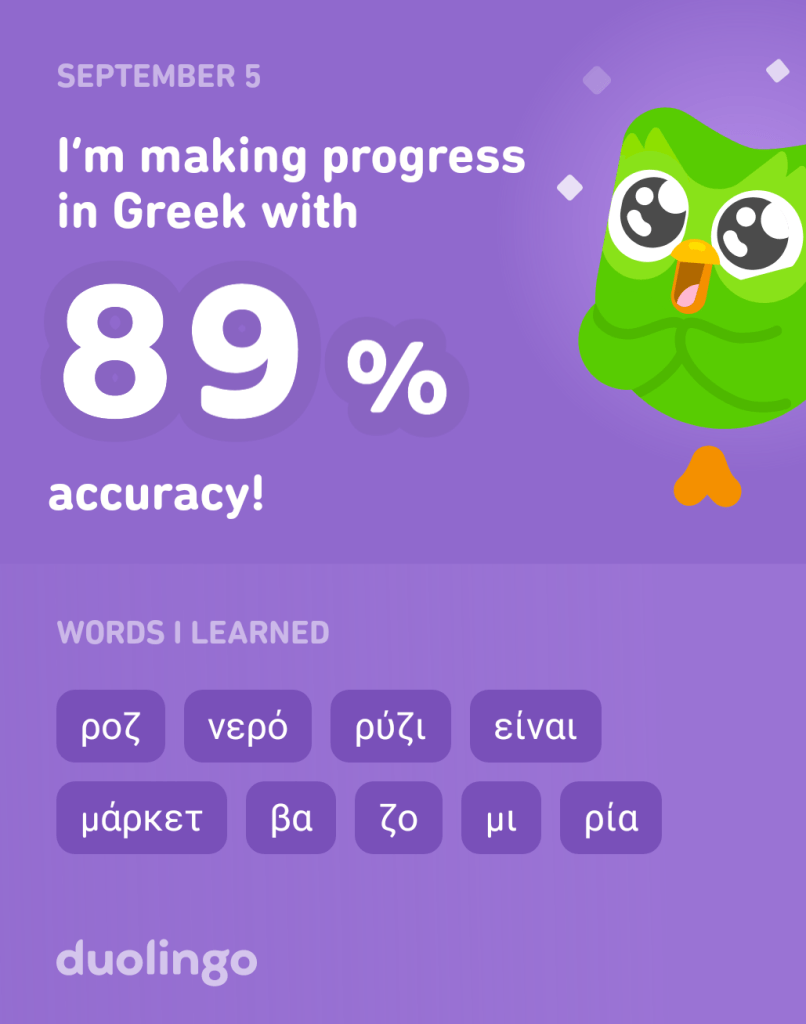
This is my Duolingo report this week:
I guess I have a need to prove I am a real person. Why?
With the modern trend of everything we find being AI, I do have a need to prove that I am a real person who really studies language and teaches her children.
Just today we did Halloween arts and crafts…
Anyway, let us connect on Duolingo if you use it, find me as Eve Sanchez.
Why Duolingo
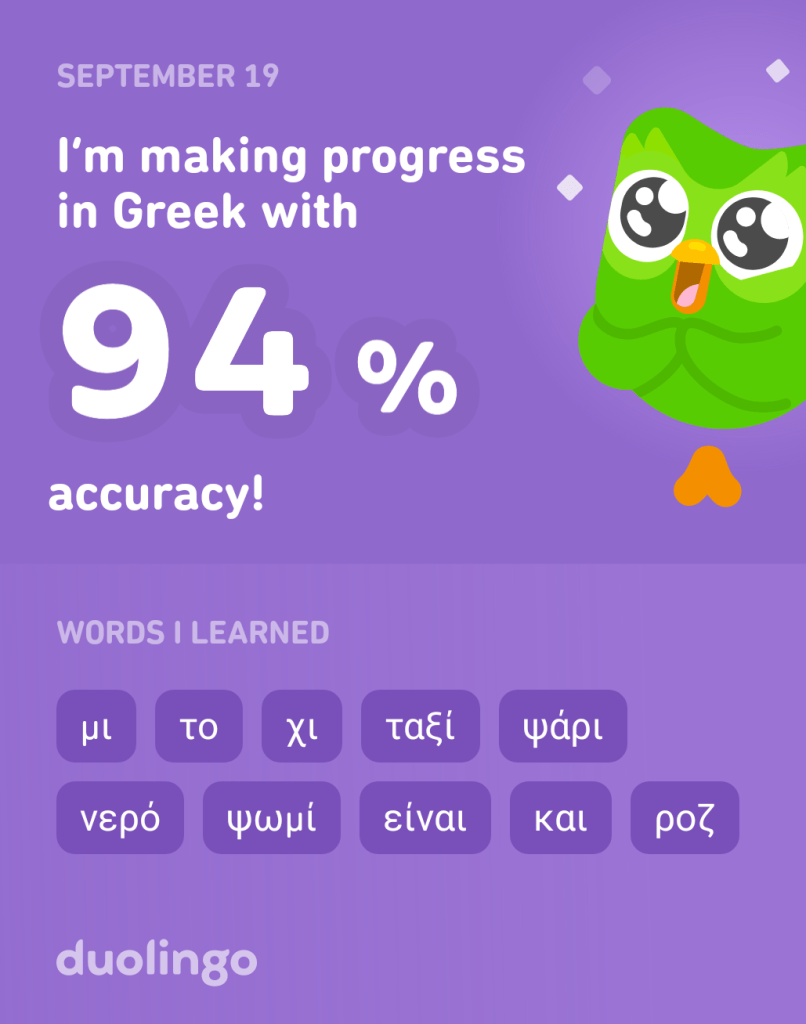
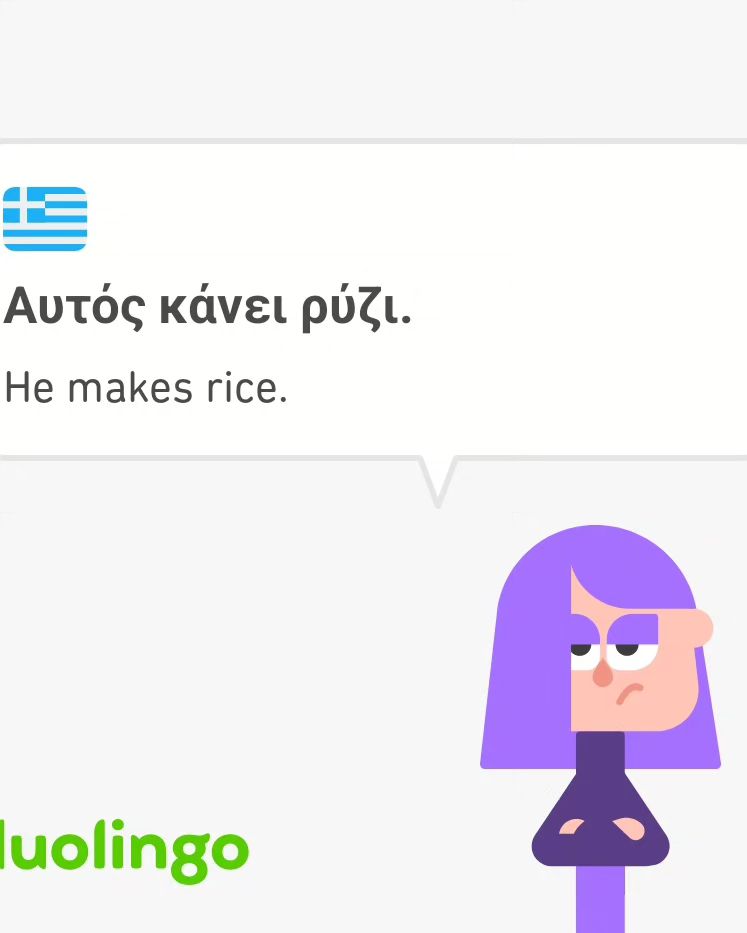
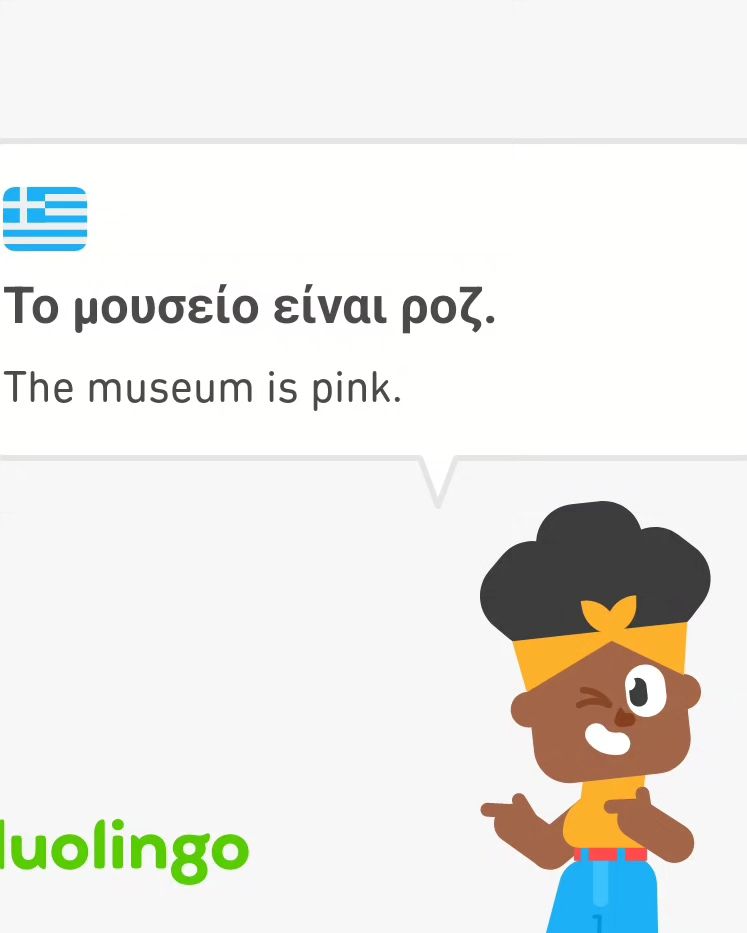
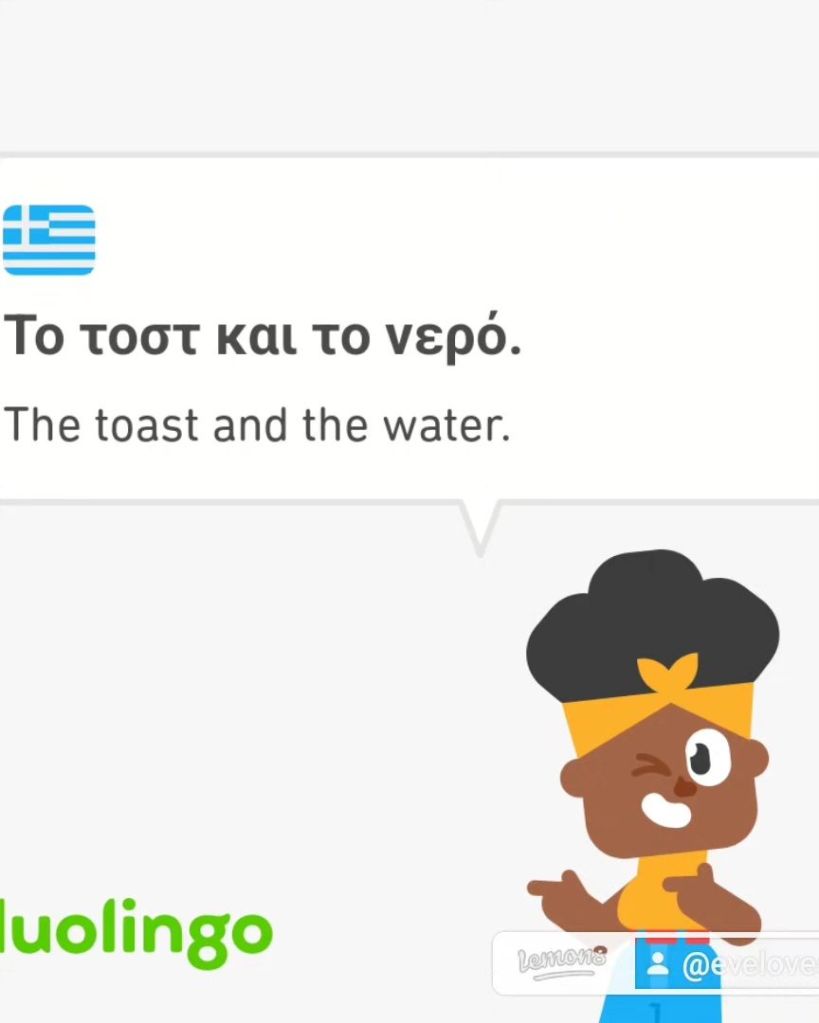
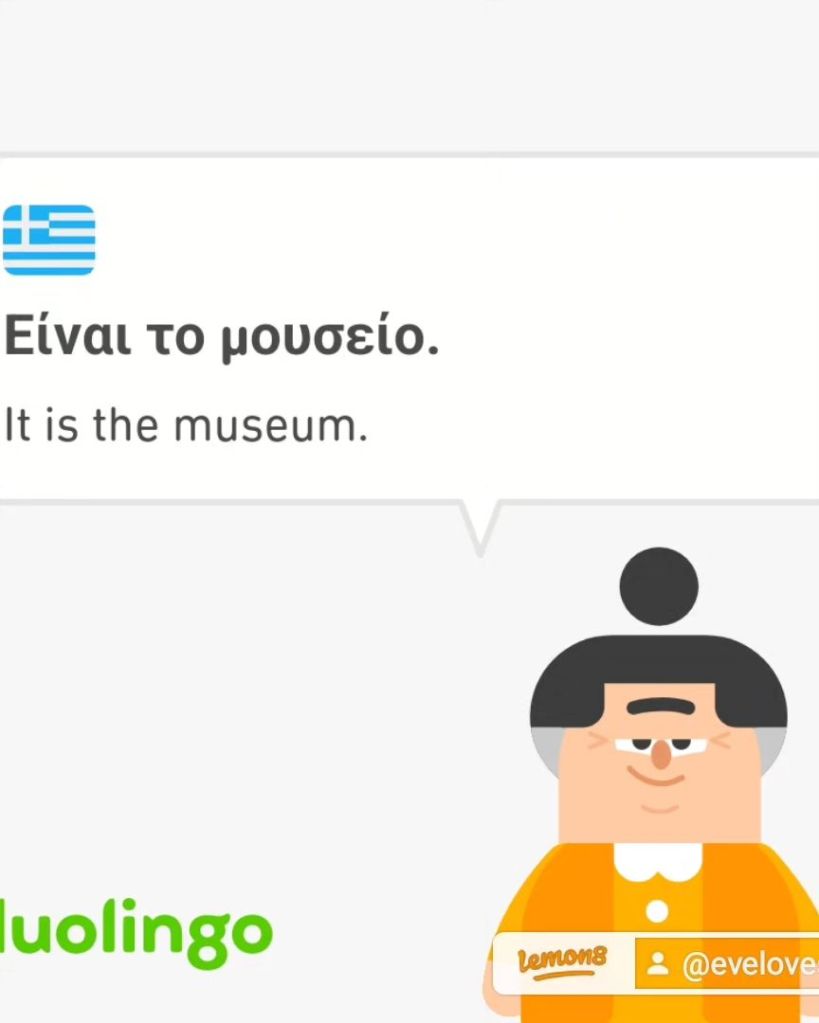
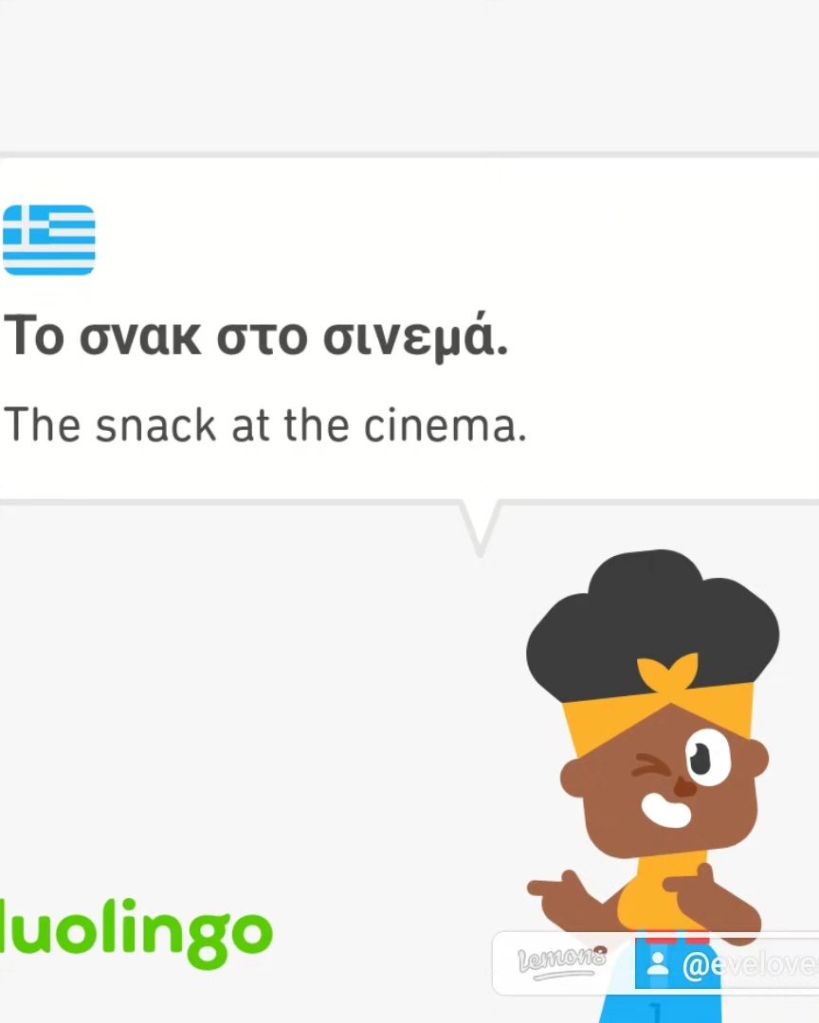
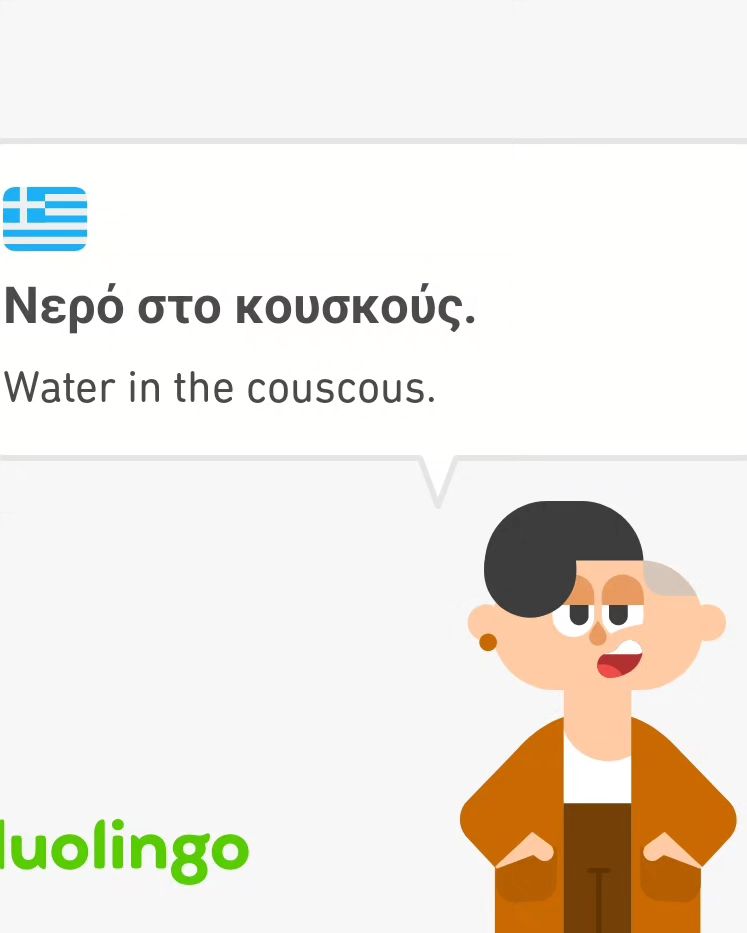
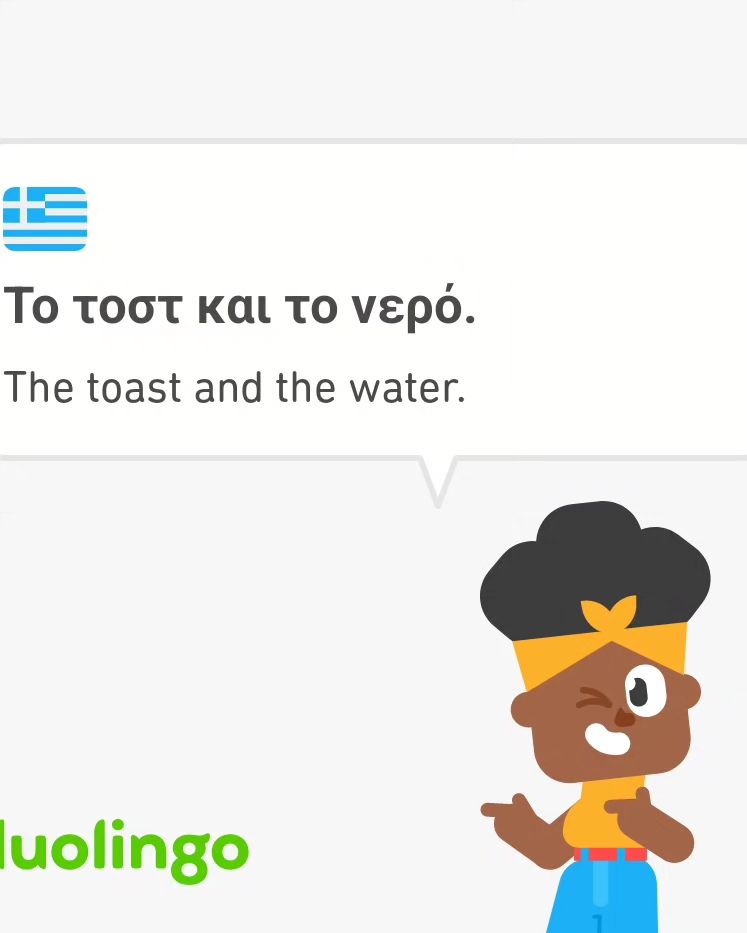
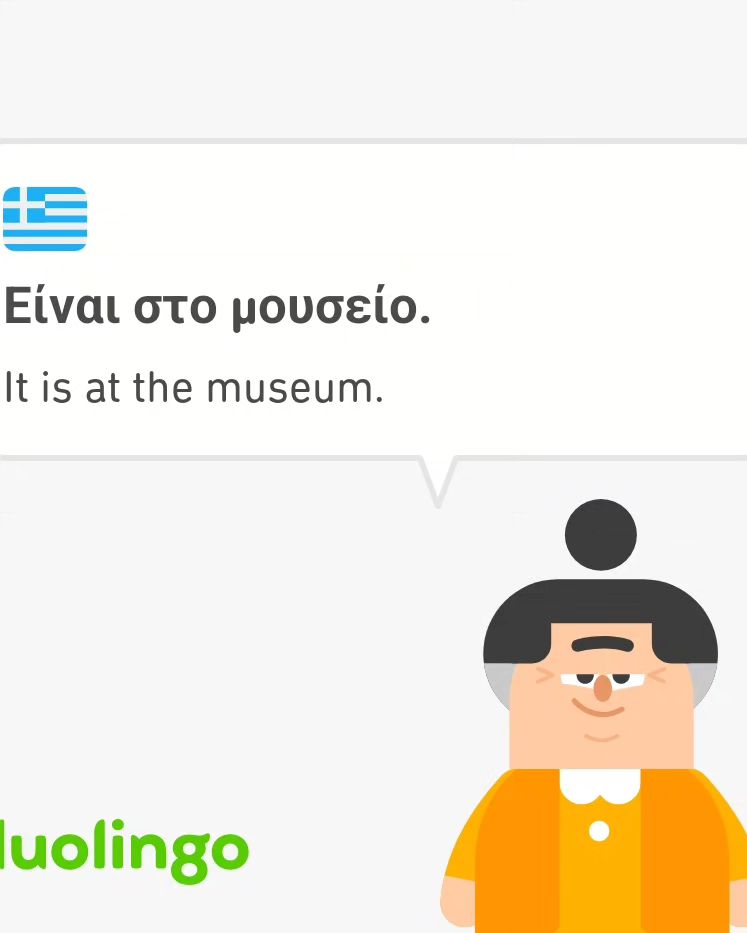
I am currently trying to have more XP on Greek, also struggling with my Greek.
I do not need to learn a language, but I attempted to get my kids interested in Spanish, my first language, and they do not want to be told what to learn, they have their own opinions and ideas, which is really cute…
I joined Duolingo to inspire my kids to learn languages because they imitate anything I do: no pressure.
It worked because they started learning languages too. They are not organized and quit their own Duolingo, yet, Lilli does my Latin lessons at times, Vivi is learning the Greek alphabet with me, they have a Dinolingo Spanish course, Lilli took a Latin class, Lilli and I have Latin jokes, Alex does the Greek lessons with me and repeats the Greek words, Lilli and Vivi took Spanish classes: it worked, but my inspiration effort is ongoing.
Part of my effort is to have them observe my own learning, as well as to experience my learning methods which are varied and colorful, on top of that to expose them to different languages: music in Spanish and Italian; Italian, Latin, Greek words, phrases, and entire videos or podcasts being broadcasted in our house; and more.
And you,
Are you learning or teaching a language? Which? Do you have tips?
Do you listen to music in your target language?
Learning Spanish?
Check out my cool Spanish with poetry clas:
Purchase the class through this link which includes a children’s printable workbook, a test, and more:
I stopped learning Italian on Duolingo because the Duolingo Italian course is not fun. Italian is a gorgeous language and Duolingo does not do it justice.
After I almost lost my streak because of the Italian course, I started a new language, Greek and started learning Italian by listening to Italian music and interacting with the language in a fun and relaxed way. I do not have to learn this language anyway.
Using Music for Language Learning
What is a fun way to learn a new language if traditional methods don’t quite resonate with you? If you’ve ever felt frustrated with a language learning app or textbook, it might be time to consider an alternative approach: music.
Music can transform the language learning process into a game of wonderment and exploration, making it not only enjoyable but also highly effective. Here’s how you can harness the power of music to learn a new language, drawing on my own experience with Italian music.
Discovering Language Through Music
1. Anchoring into Favorite Tunes
One of the most engaging ways to learn a new language is by immersing yourself in music you already love. For instance, I enjoyed the Spanish songs of Laura Pausini and Eros Ramazzotti. By listening to these artists’ Italian versions of the songs I know and love, I learned. This familiar territory provides a comforting anchor, helping you recognize and remember phrases and words more easily.
I fell in love with a new Italian song, started singing it in karaoke, then found translations to Spanish and English. I learned expressions and words as well as recognized words that are the same as in Spanish, my first language. Now I used the vocabulary I learned on my karaoke song in a different song.
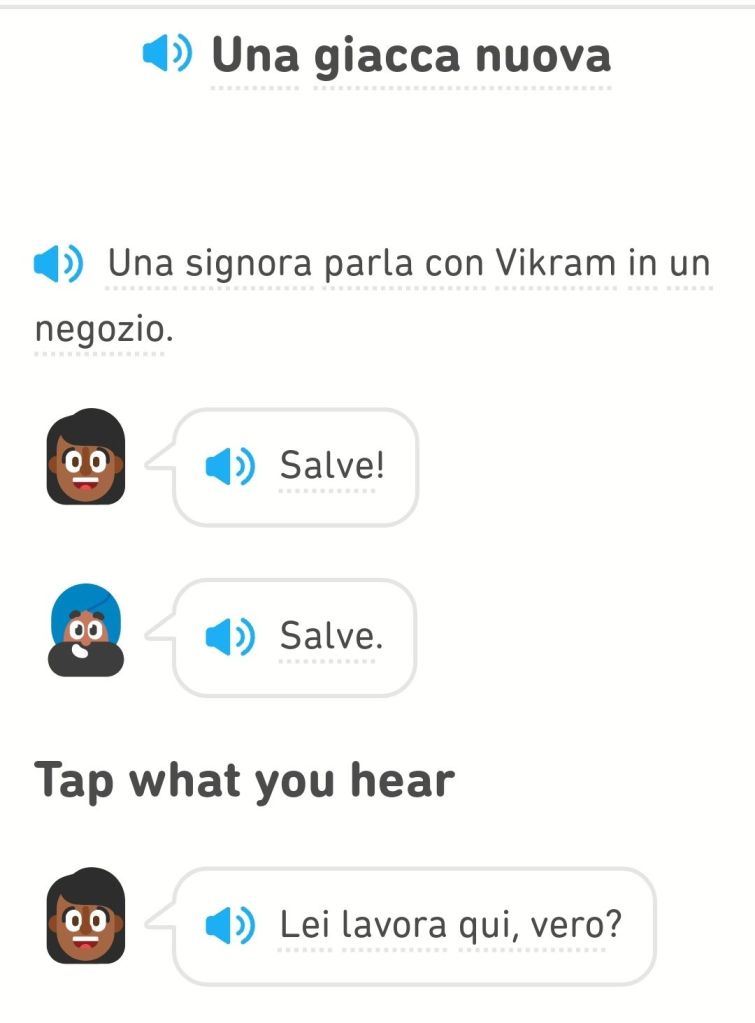
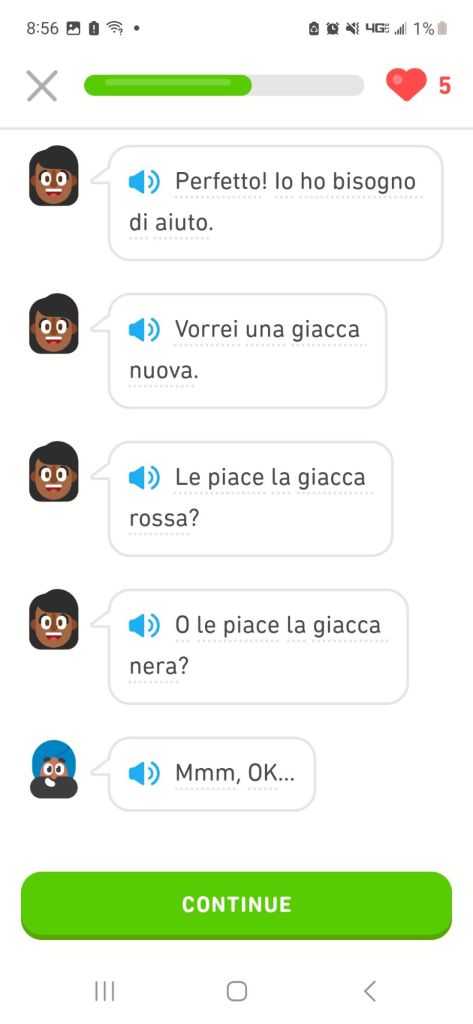
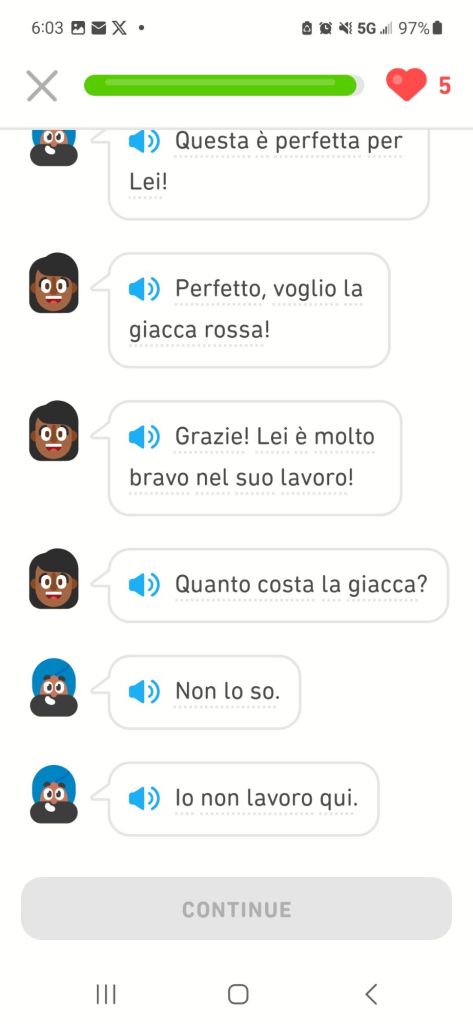
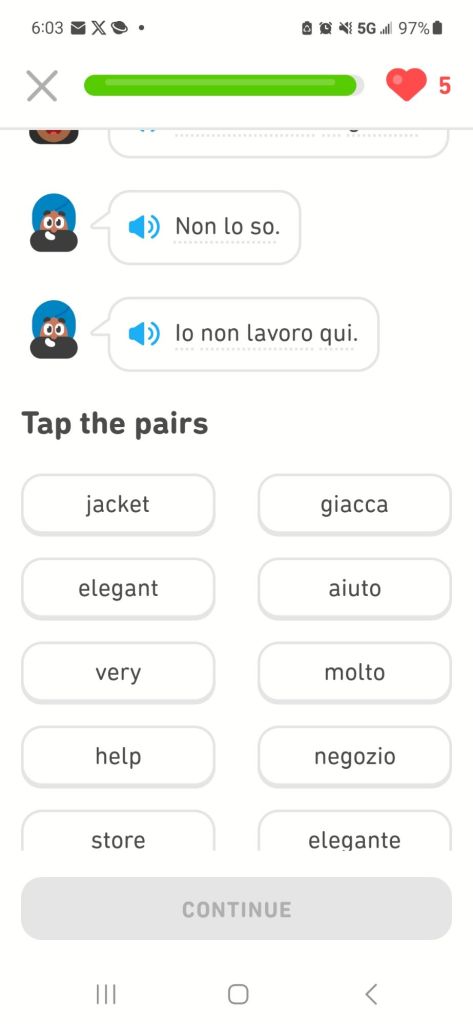
A fun Italian story on DuolingoIo o bisogno di (I have a need for) is a phrase I heard in music, so through music, I practice what I learned on Duolingo.The woman asks the worker for help at the store. She is buying a new jacket. He helps her choose the red jacket, then tells her he does not work there.Jacket = giacca, elegant = elegante, very = multo, help = aiuto, store = negozio.
2. Pattern Recognition
Music is an excellent tool for pattern recognition. Pay attention to recurring phrases, themes, and lyrical structures.
For example, in Italian music, I noticed themes such as “Il mare” (the sea), “Parole” (words), and “il cuore” (the heart). I learned all three words because of music and since they’re themes in Italian music, they’re in so many songs. Noticing these patterns helps you internalize the language structure and vocabulary. The rhythm and melody also make it easier to remember new words and phrases.
3. Exploring New Sounds
Spotify and other streaming services offer a wide range of Italian music that can introduce you to the rhythm and intonation of the language. Fast-paced European-style songs with poetic lyrics can be especially engaging. These songs often blend beautiful singing with intricate language, providing a rich auditory experience that helps you get used to the language’s sounds and patterns.
Italian Party Music Spotify Playlist (Adult)
A Game of Wonderment
Learning a language through music is akin to being a baby in an Italian-speaking environment. Just as a child absorbs language by hearing it spoken around them, you absorb Italian by listening to its music. Embrace the process of trying to understand without judging yourself. It’s natural not to grasp every word or sentence at first. Over time, you’ll start recognizing familiar words and phrases, which will naturally expand your vocabulary and understanding.
Benefits of Music-Based Learning
1. Enhanced Listening Skills
Listening to music helps improve your listening skills and pronunciation. You become more attuned to the nuances of the language, such as intonation and stress, which are crucial for effective communication.
2. Emotional Connection
Music often evokes emotions, making the language learning process more personal and memorable. The emotional connection to a song can make new vocabulary stick better. Similar to my pitch for poetry for language learning.
3. Cultural Insight
Music is a reflection of culture. By listening to Italian songs, you gain insights into Italian culture, traditions, and values, enriching your overall learning experience.
Conclusion
I still do not speak or understand Italian but I am learning and it is fun. I do not have to learn it anyway but I take any opportunity I get to learn.
Incorporating music into my language learning routine was a powerful and enjoyable method to familiarize myself with my new language. By anchoring myself in familiar tunes, recognizing patterns, and exploring new sounds, I transformed language learning into an engaging game.
My goal is to become comfortable with the language’s sounds and rhythms. As I continue to listen and immerse myself, I found that I understood some words and the knowledge of the language grew naturally, much like a child absorbing their mother tongue.
Embrace the melody of learning, and let the music guide you to fluency.
Phrases I just heard in music
I listen to this playlist all the time.
My favorite song is my karaoke song
Dove sei tu? Where are you?
Podemo escapare
Per favore, non piangere.
Ho bisogno di te
Me lo merito
Ma quale verita
Non capita
Cuando piango
Grazie per existere
Sinceramente Tua
I recognize a word such as it happened with “parole” (words) in music after listening to it many times in several contexts, looking up the meaning and remembering it.
And you, what language are you learning or teaching and what tools are you using?
Dear Lovestar, I started learning Greek and I tried listening to Greek music but my ffamily did not like it. I study Italian and for learning, I listen to Italian music and do Italian karaoke. But the Greek music was a huge no for them, but I liked it. Anyway, while I was on the […]
Edit: My children loved the class and printable worksheet and requested more classes like this. Follow for the next classes coming up in the same fun but in-depth manner.
I have been pitching the idea everywhere that poetry is an excellent tool for language learning as reading materials. And now I will prove by creating the most creative Spanish lesson ever.
The full lesson, including a printable worksheet and test for children is available if you need additional help with this material:
Here’s why poetry is amazing for language learning:
Culture
Deep learning through complexity of poetry
Fun content that is memorable
Rhyming and rhythm helps with memorization
Spanish: 1st level. Lesson 1
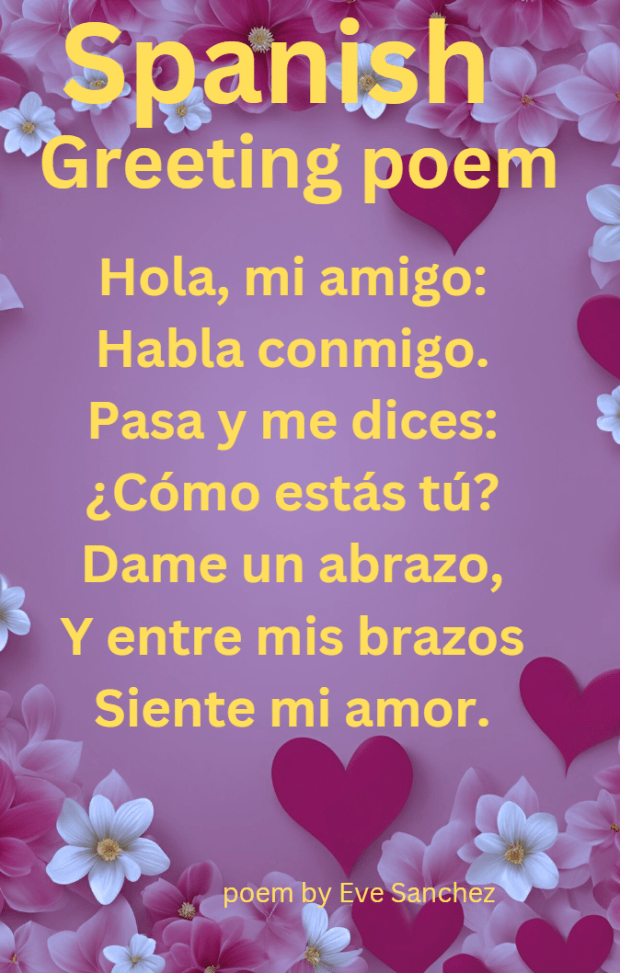
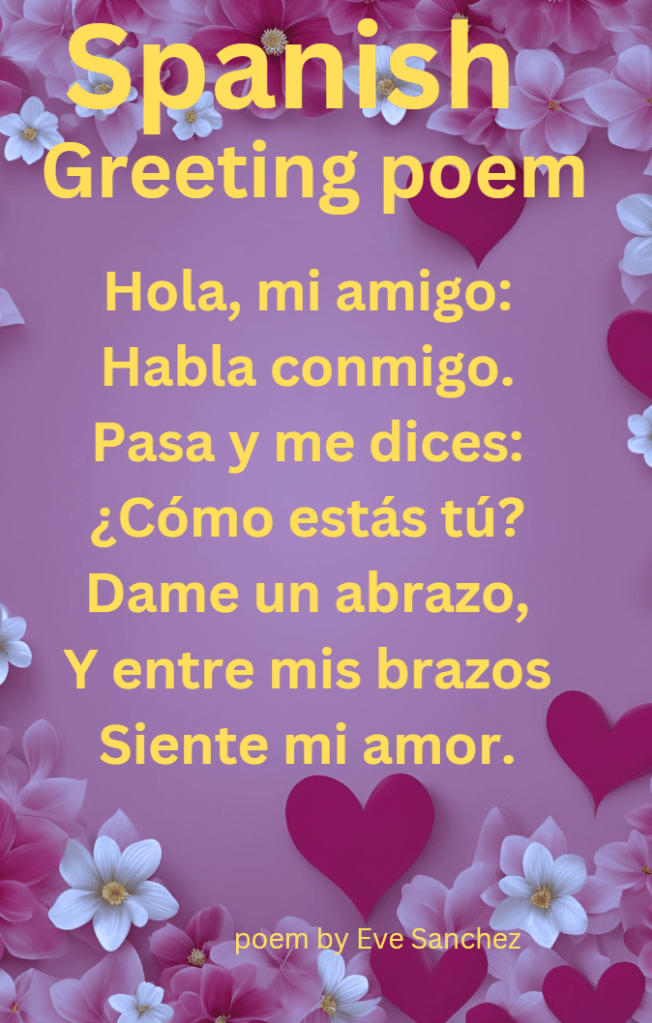
Hola mi amigo (Hello my friend) poem by Eve. Read further, and I’ll explain every word and phrase.
This poem is appropriate for a level 1 learning. It uses simple language and common phrases, making it accessible for beginners. This is a little more intense than the usual level 1 dialog, but it is also much more memorable, and I bet you can engage with this content more than with the usual language class dialog.
The main points for teaching are:
Basic Vocabulary: The words and expressions are straightforward and familiar, suitable for early learners.
Simple Sentence Structure: The poem’s structure is uncomplicated, which helps learners grasp basic sentence formation and concepts.
Easy to memorize: I do not attempt to memorize vocabulary anymore. That is the “boring” learning style that many of us reject. I like to engage with the reading content. However, poetry is naturally easier to memorize than prose or conversations. You will find yourself remembering without trying, especially if you do it with fun in mind and without judging your learning speed.
Lesson Plan. Feel free to use this for personal use/ homeschooling
(For more learning, I’m collecting all this into an ebook, return, and you will see additional lesson posts totally free)
If you’re a teacher and wish to use this material, let me know.
Welcome to my unique language lesson, where we explore the beauty of poetry as a tool for learning. Poetry is more than just a form of artistic expression; it’s a gateway to deep emotional understanding and linguistic mastery. By delving into poetry, you’ll not only enhance your language skills but also gain insight into the cultural and emotional nuances of Spanish.
Why poetry? It offers a fun and engaging way to learn, transforming the study of vocabulary and grammar into a creative and immersive experience. Poetry often includes complex structures and rich imagery, which challenges learners to think critically and understand the language on a deeper level. Many native speakers might not fully grasp the subtleties of poetry, but by engaging with it, you’ll achieve a profound and sophisticated understanding of the language.
In this class, we’ll use carefully selected poems to guide our learning journey. You’ll explore themes, emotions, and linguistic intricacies that will elevate your understanding of the language. Let’s embark on this poetic adventure together and discover the power of language through the art of verse.
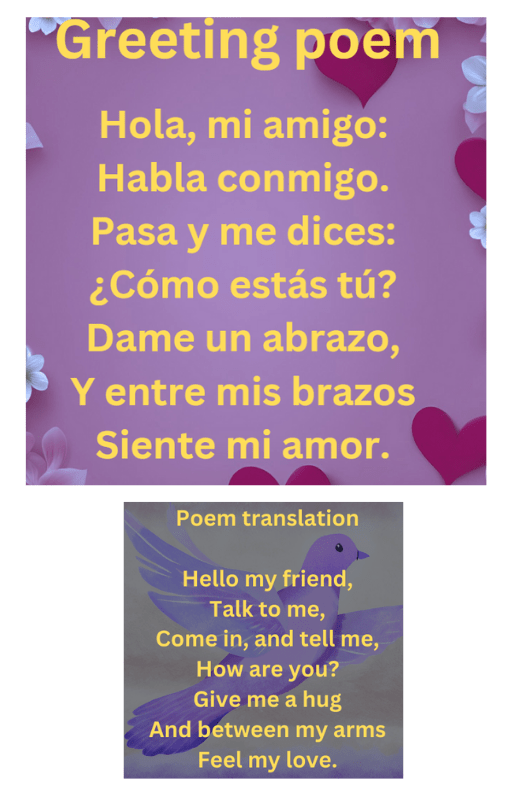
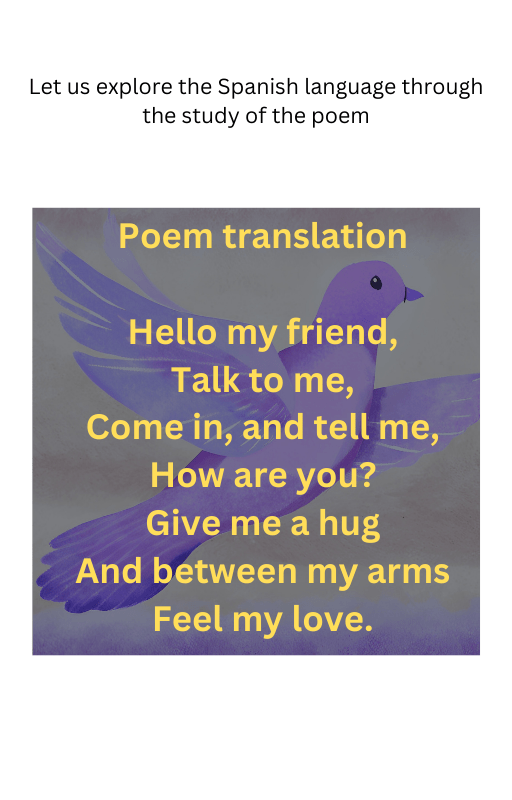
Poem translation
Hello my friend, Talk to me, Come in, and tell me, How are you? Give me a hug And between my arms Feel my love.
Queries lector, Hoy te presento mi poesía favorita, la poesía de José Martí el poeta Cubano (1953 – 1995). Yo soy Cubana, Martí es un ídolo para mi y mi primera influencia poética (gracias a mi papá, un maestro de Español cubano) Cultivo una rosa blancaEn Julio como en eneroPara el amigo sinceroQue me da […]
I am currently reading poetry in Latin for my humble Latin learning practice. Let’s discuss why poetry is a fun and effective way to acquire a new language.
This applies to students who already have some knowledge of the new language. If you are starting to read in your target language, this tip applies to you.
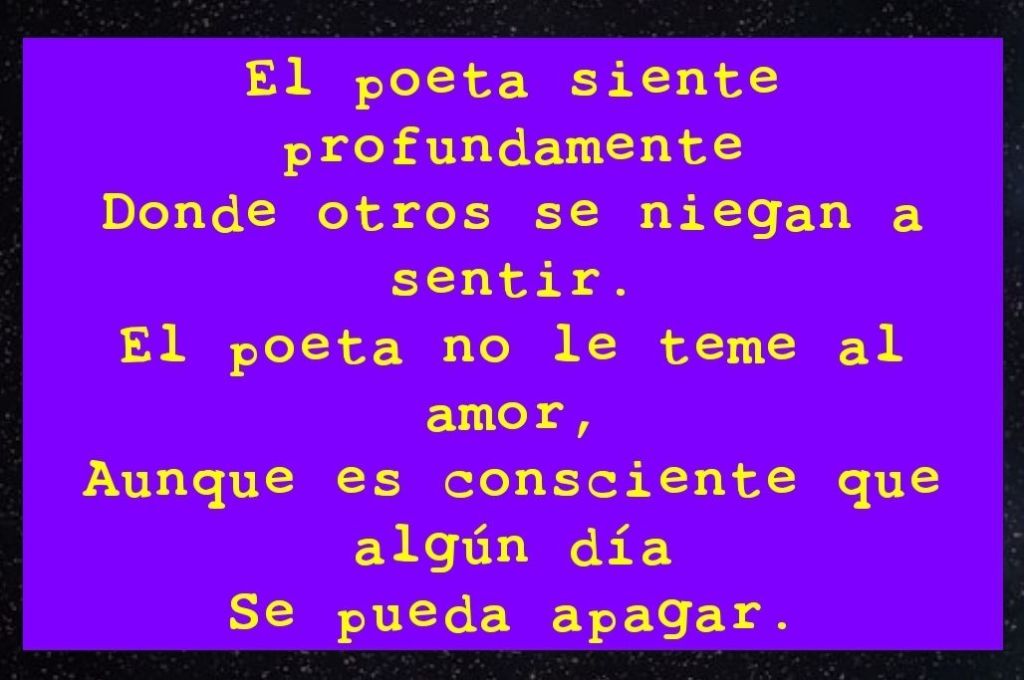
Medium Level Spanish poem: The poet feels deeply where others refuse to feel. The poet is not afraid of love, even though he/ she is conscious that it might one day turn off.
Poetry, with its intricate use of language, offers a unique avenue for learners to delve deeper into a new language. Far from the straightforward prose typically encountered in language textbooks, poetry presents learners with a challenge that extends beyond mere grammar and vocabulary. It demands an understanding of cultural nuances, literary devices, and a keen ear for rhythm and cadence.
Yet poetry, with its whimsical beauty, can be the catalyst for a deeper understanding of a new language. I read the same poem for over a week hundreds of times in Latin, and I then translated it. Yes, it took a week, but that’s nothing compared to never understanding that gorgeous piece of literature.
Complexity of Poetry
At its core, poetry is a linguistic art form that pushes the boundaries of language. Its condensed and often metaphorical nature forces readers to interpret meaning beyond literal words. This complexity serves as both a hurdle and an opportunity for language learners. By grappling with poetic verses, learners are exposed to varied sentence structures, idiomatic expressions, and figurative language that are essential for fluency.
Stepping Out of the Comfort Zone
Engaging with poetry requires readers to step out of their linguistic comfort zones even if the poetry we’re reading is in our first language. Unlike everyday language, poetry uses heightened language, symbolism, and imagery, challenging learners to think critically and creatively. This exposure not only enriches vocabulary but also enhances comprehension skills by encouraging deeper analysis of context and subtext.
Linguistic and Literary Growth
Studying poetry aids language learning by fostering a deeper appreciation for the nuances of grammar and syntax. Poetic forms such as sonnets, haikus, and ballads adhere to specific structures, exposing learners to formal conventions while encouraging experimentation with language. Moreover, the rhythmic patterns inherent in poetry improve pronunciation and cadence, aiding in the development of natural speech patterns in the target language.
And dare I say that the repetition in poetry could assist I memory because like that ancient Roman smart guy said
Repetition is the mother of learning.
Another cool thing about poetry is that you can read a poem 5000 times if you love it.
Cultural Insight and Empathy
Poetry serves as a window into the cultural and historical contexts of a language. By exploring poems from different periods and regions, learners gain insight into societal norms, values, and perspectives. This cultural immersion not only enhances language proficiency but also cultivates empathy and cross-cultural understanding.
Practice Makes Proficient
Practicing poetry reading or, better yet, writing in a new language further solidifies linguistic skills. Crafting poems forces learners to apply grammar rules, expand vocabulary, and experiment with stylistic devices. This active engagement promotes language retention and fluency by reinforcing learned concepts in a creative and memorable manner.
Conclusion
In conclusion, while poetry may initially seem daunting to language learners, its inherent challenges and rewards make it a powerful tool for linguistic and literary growth. By embracing the complexity of poetic expression, learners not only enhance their language proficiency but also deepen their understanding of cultural contexts and human experience. Thus, integrating poetry into language learning curriculum enriches the educational experience, fostering a lifelong appreciation for language and literature.
Are you learning a language?
Are you already reading poetry in your target language?
If you’re learning Spanish, I have a multitude of poems for your reading pleasure and language peactice.
Please let me know if you’re searching for Spanish reading texts.







You must be logged in to post a comment.