At our Etsy shop, you’ll find a treasure trove of creative, inspiring, and educational resources for homeschoolers of all ages! From activity pages for toddlers to captivating Ancient Greece printables, mandala coloring books with poetic twists, and even bilingual materials and Spanish lessons, we aim to make learning fun, engaging, and unforgettable.
For parents, we offer mindfulness and growth tools, with even more exciting resources to come.
But this is just the beginning! Our mission is to make poetry cool again and to inspire a lifelong love of learning.
Can’t purchase today? Don’t worry—we’ve got you covered with supplemental free content on this blog, videos, and a homeschool world domination plan (yes, really). Join us as we make education an adventure for the whole family!
Current Homeschool Offers
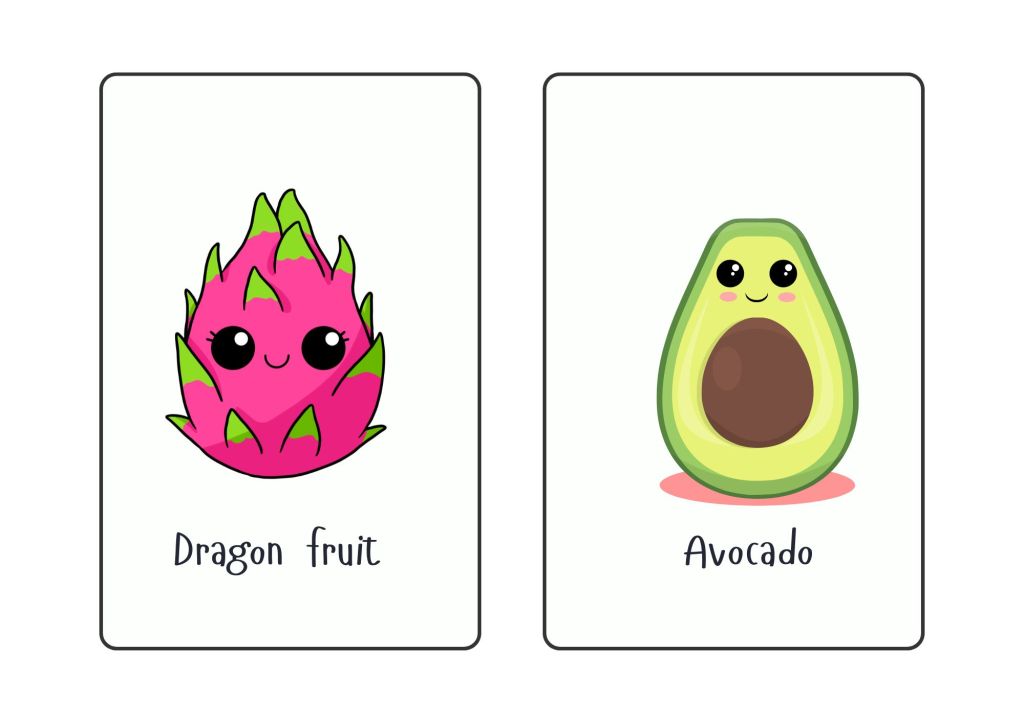
Let’s Learn with Fruit – Toddler Interactive Activities (2 – 5 year olds)
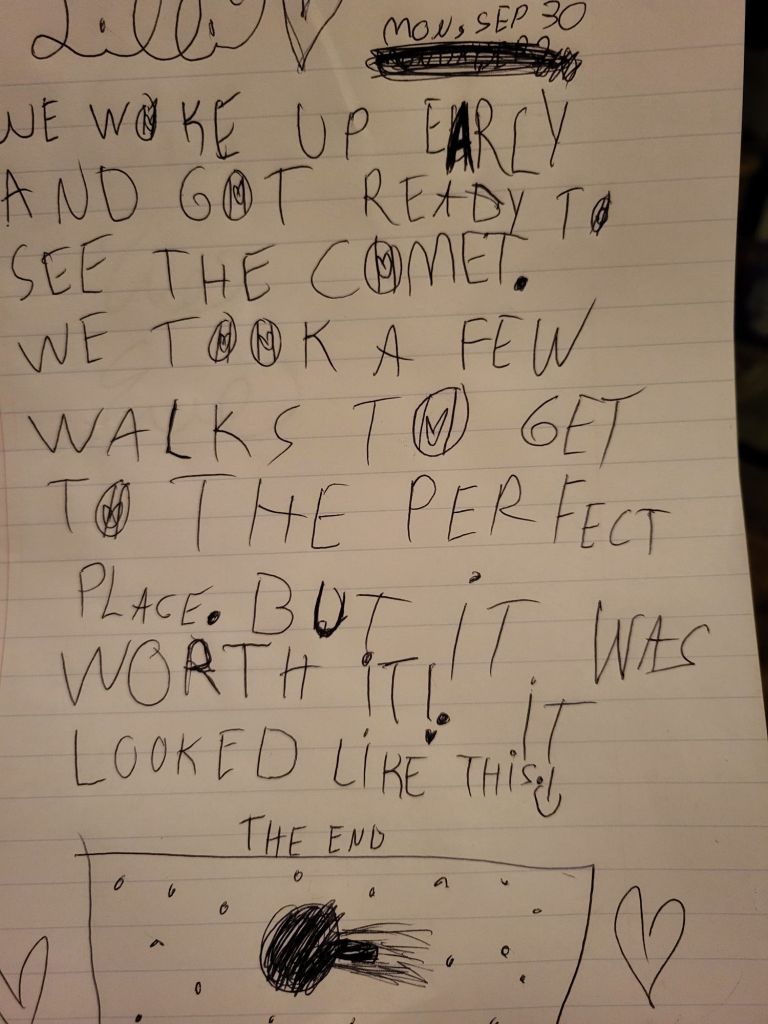
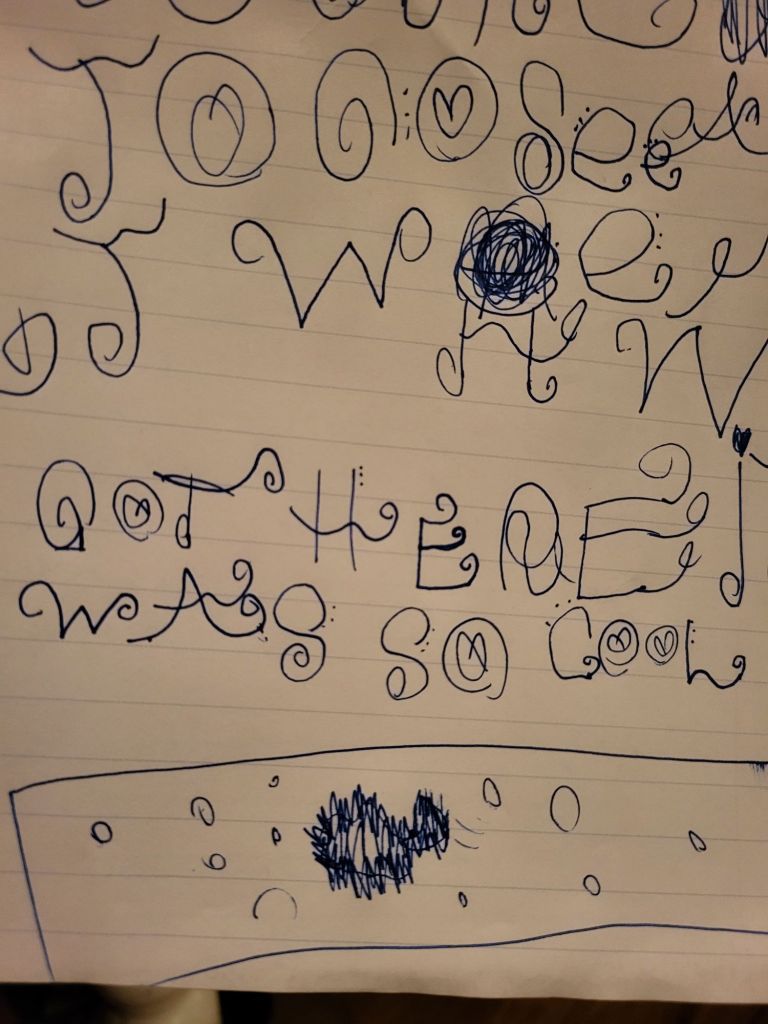
This week we woke up our kids very early and took to the darkness outside looking for the comet A3. We saw it, too. It was an amazing sight even though it only lasted a few seconds and we all saw it (except for the two toddlers).
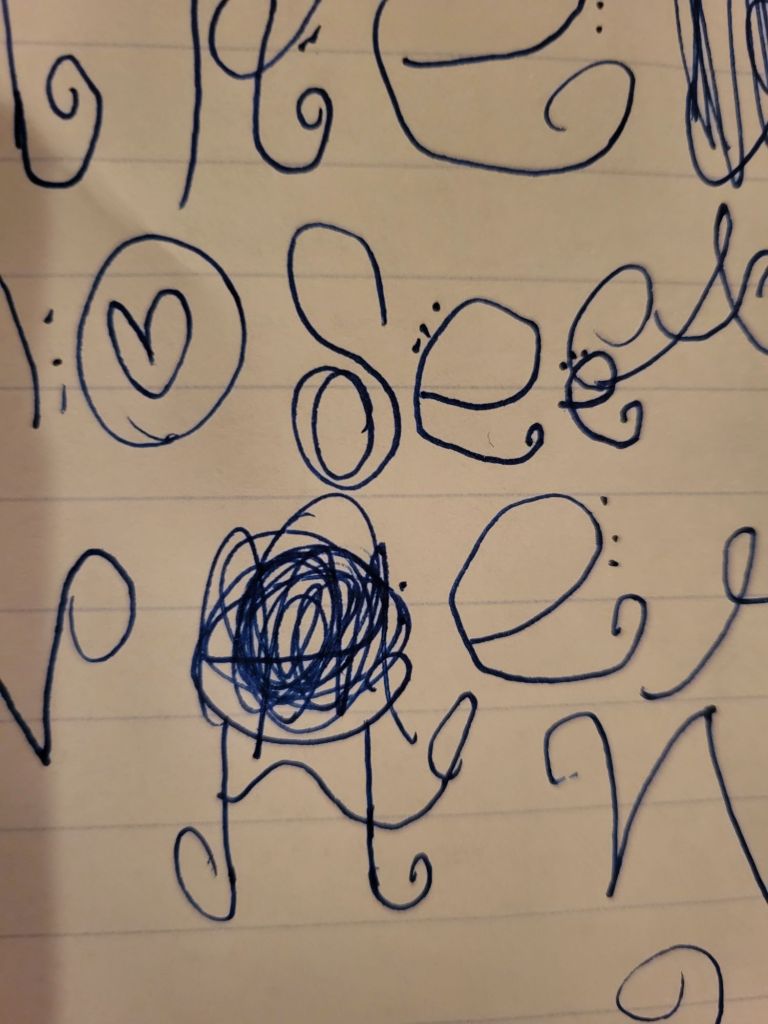
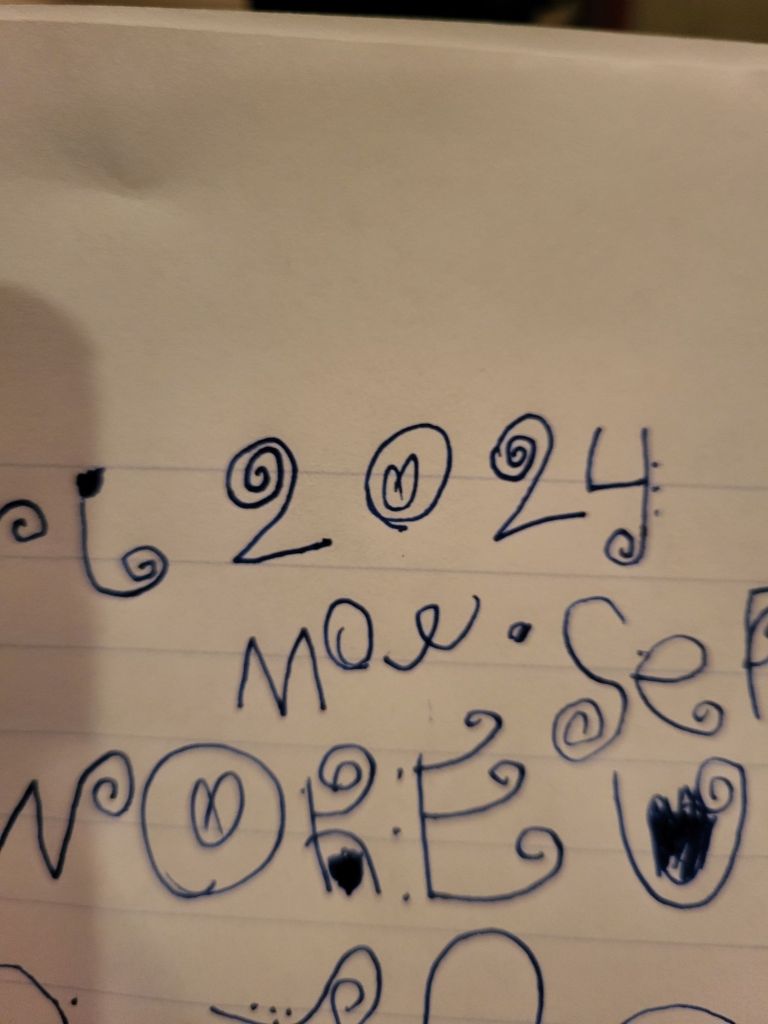
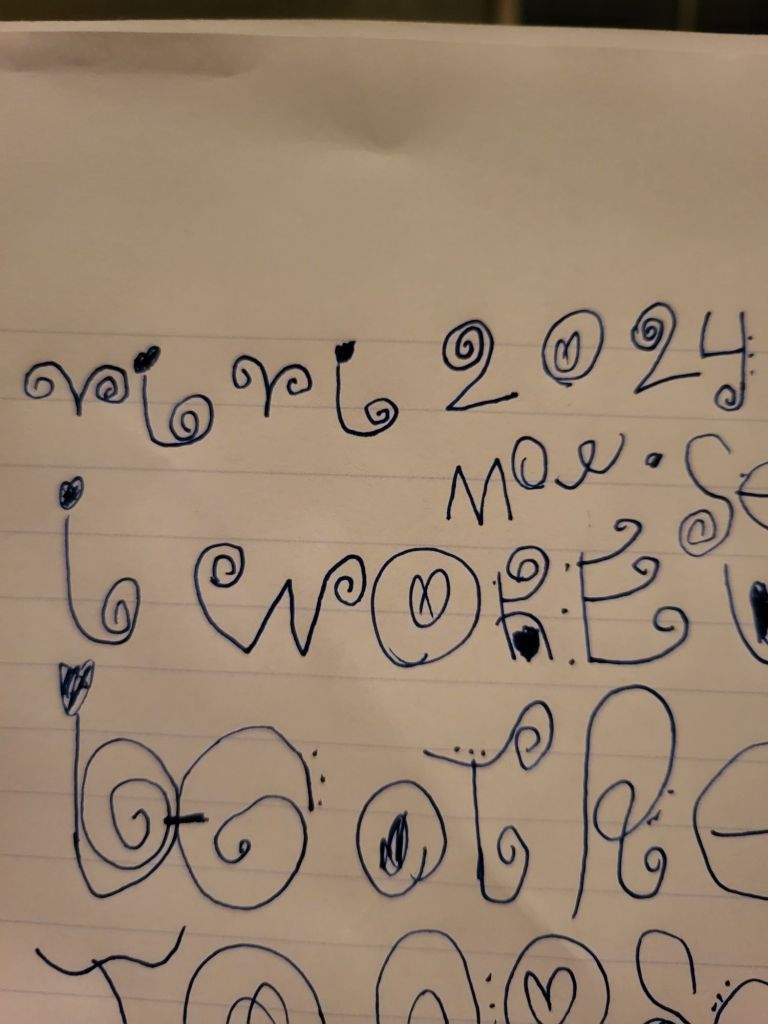
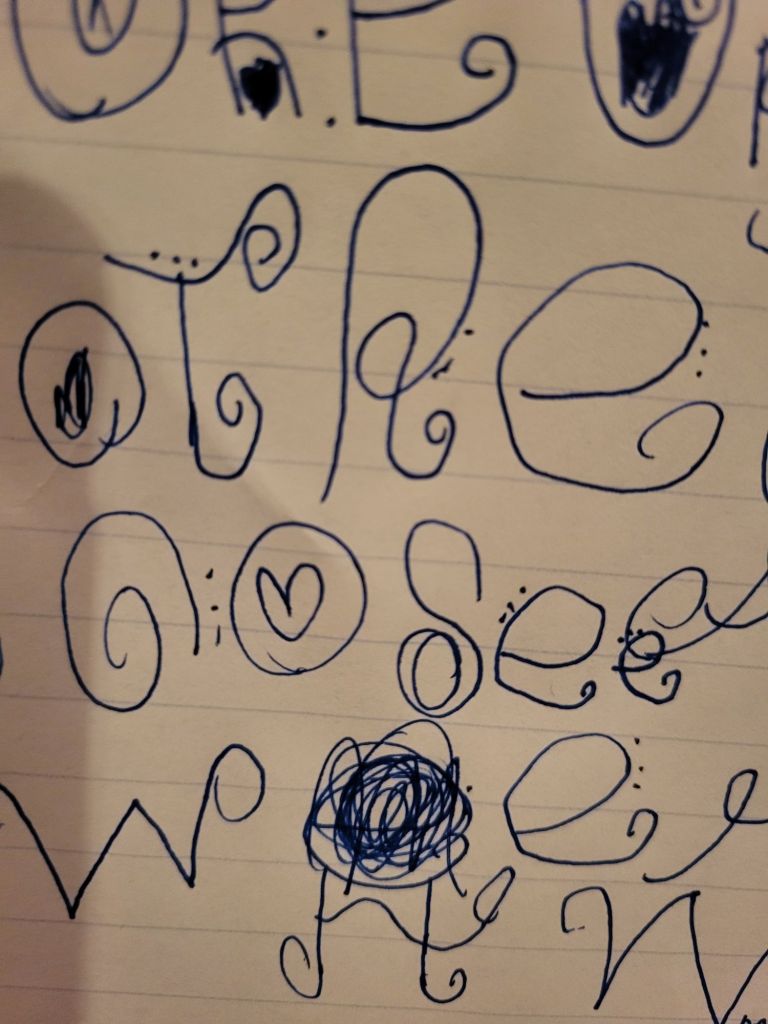
Lilli and Vivi wrote journal entries about it. Lilli, a perfect memory with 0 errors or need for improvement. Vivi in gorgeous letters. She needs to work on the legibility of her writing, but she has chosen incredibly beautiful decorated letters, which I love and I told her, I will have to copy some of her incredible letters.
My focus will be on practicing with Vivi so she can improve the legibility of her writing while keeping her wonderful letter design. I enjoyed her work so much and I was full of pride.
Lilli researched and taught us what a comet as well as a, meteor shower is, wrote this in her journal.
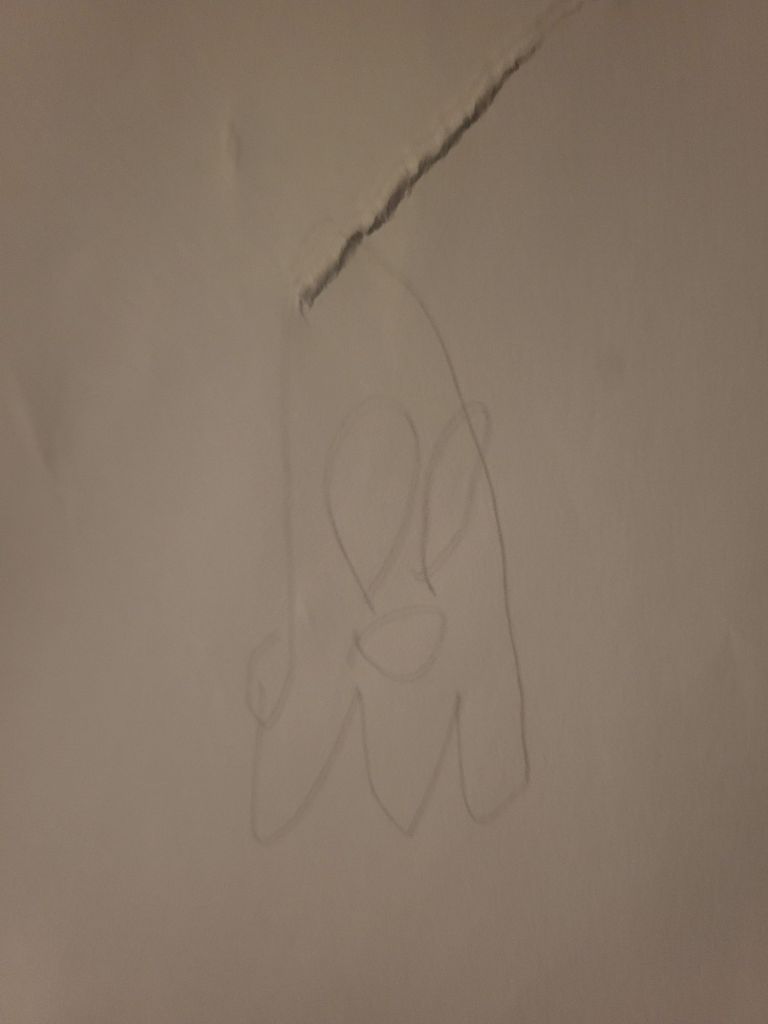
Both Lilli and Vivi drew the comet.
Home Education Log: Learning activities with our kids
This is not an entire list.
We discussed our ancestry, DNA, DNA tests related to ancestry, neanderthal DNA in humans in research, history of our families which interested and intrigued our oldest kid.
We did Halloween inspired art and crafts.
Alex drew a ghost and many more cool drawings. He was inspired by documentaries and videos we watched on the history of Halloween.
We watched documentaries about the history of Halloween, kids stories, and more on this topic.
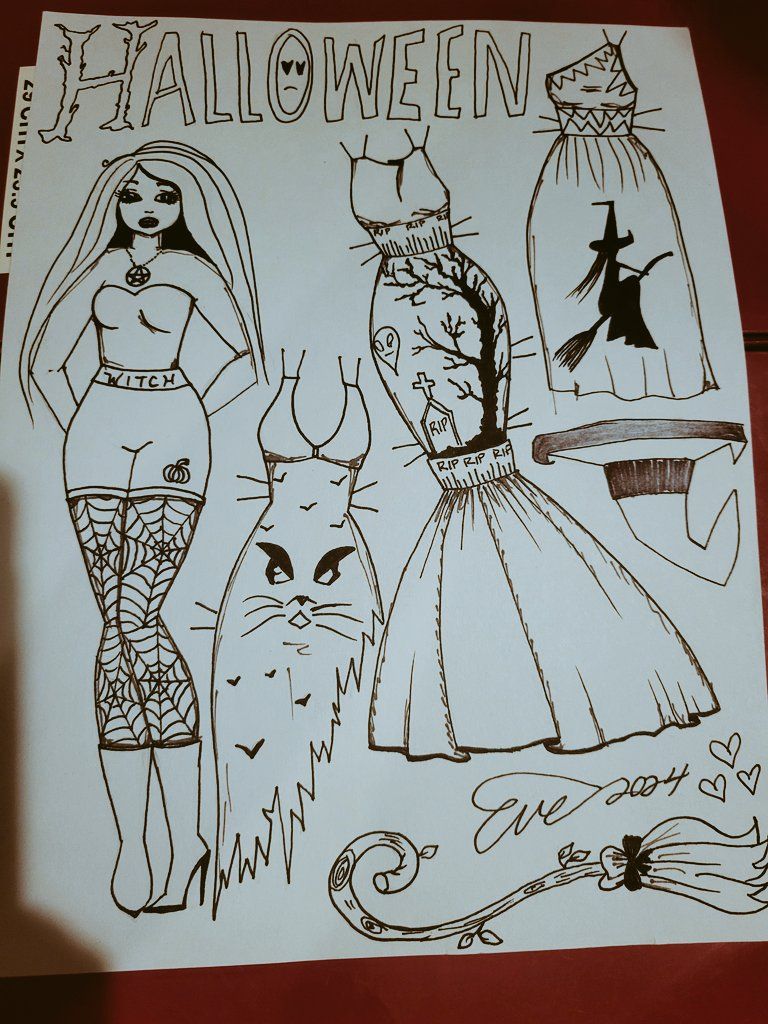
I finished a Halloween paper doll: I love fashion illustration and I incorporate it into our art activities.
This lovely fashion witch was designed in 2014. Back then my illustration skills were beginner level, but the dress designs were gorgeous. With my new skills, I drew a new doll and copied the same exact dresses, added the witch hat and broom.
We found old art of mine and discussed my art progress at which point I took advantage and gave a speech about improving one’s skill. I allowed the kids to see my bad beginner art that I am ashamed to show today and explained how I learned to draw figures by watching experts and used that fuel to inspire them by assuring them they too will be much better in their art.
I helped the kids finish Math worksheets they did not finish during their week.
We studied the Celts, specially regarding our own Celtic roots.
Lilli and I did Math: skip counting, addition, multiplication, and division.
Vivi and I worked on addition.
The kids have been sick, so we have not been to Jiu-jitsu class. They have been playing in the yard and “working in the garden”.
The kids read children’s books.
Lizzie and I wrote a poem together (she created the story) and she did the ending in prose using many words that start with g. Then she wrote the poem by hand. Her intention was to improve her handwriting of the letter g and she succeeded, her g was beautiful after such practice. She will be choosing her next letter to work on and we will repeat this exercise.
Lilli started the new Duolingo Music course.
Lilli returned to her Duolingo Spanish course.
I created children’s songs inspired by Lilli. Lilli created pictures to go with the song. I added AI music to the songs. We sung and sung and danced.
Lizzie decided to write a song. She created a story and we will be working on turning it into a song.
Lilli, Lizzie, Vivi worked on Math, Science, Grammar, Art on Outschool.
But she came to me and requested help.with her letter g, lowercase.
She collaborated with me to create this G poem and practiced until we loved her letter g.
The graceful groom In Ancient Greece Was in gloom all week: Ghastly days, lost grace, His good wife, a ghost, In the green garden. Heart goes grey, Galaxies away, Gracious goddess: Gown, crown, greatness. Green grape dance to the god, Bring my wife back. The god’s generous reply, A glistening sun ray, And a goose to greet. In two years time, Sacrifice a goat, And your girl will grow From the goose, Take care and groom her Be warned: if you neglect her, Your guilt a curse will be To grueling loneliness.
End of story by Lizzie
The groom agrees, he will not neglect the Goose. Two years pass slowly, the groom Has been taking good care of the goose, the Groom brings the goat to the altar, and Prays, Grape god returns, Two years have Passed, Your wish shall be granted, goose Into wife, I command. The groom reunited, He is happy again with his wife. This story Ends with a happy ending.
Lizzie practiced her letter g handwriting by writing the poem on a paper and her creative writing by creating this poem with me as well as writing the ending all by herself.
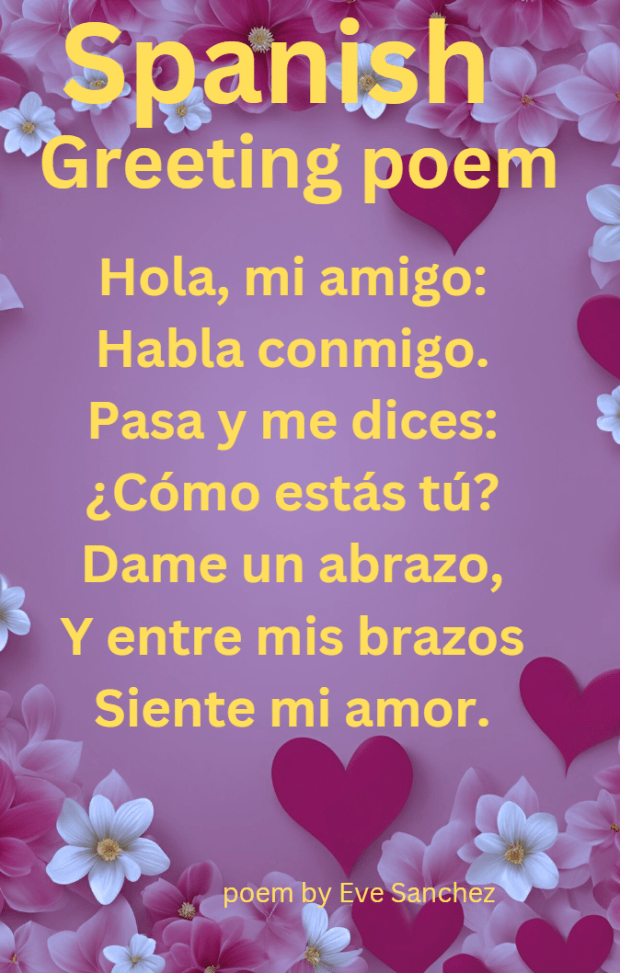
(Spanish learning/ teaching? Scrool to the end for my fun lesson)
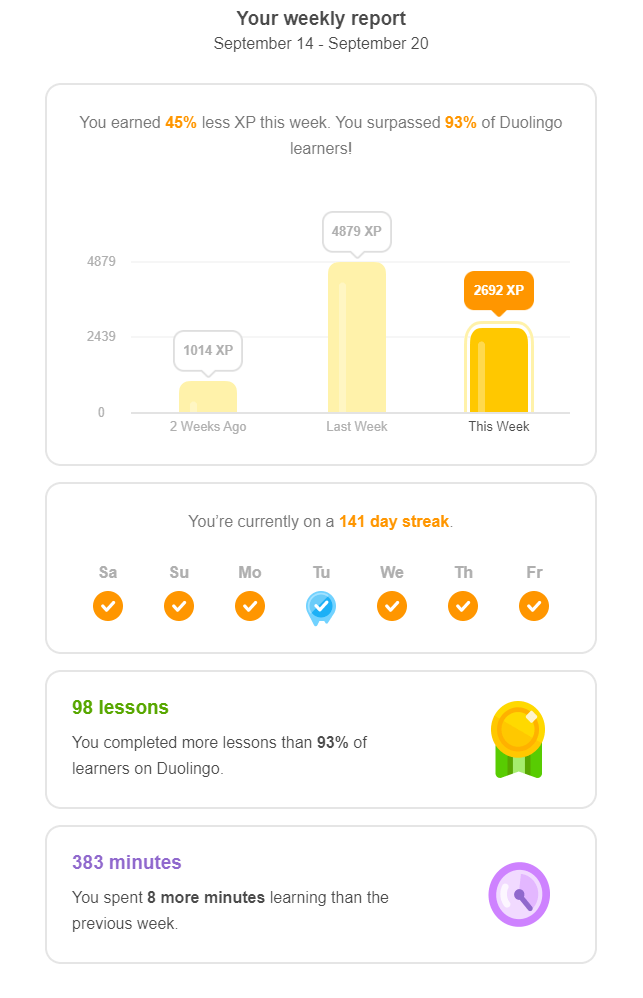
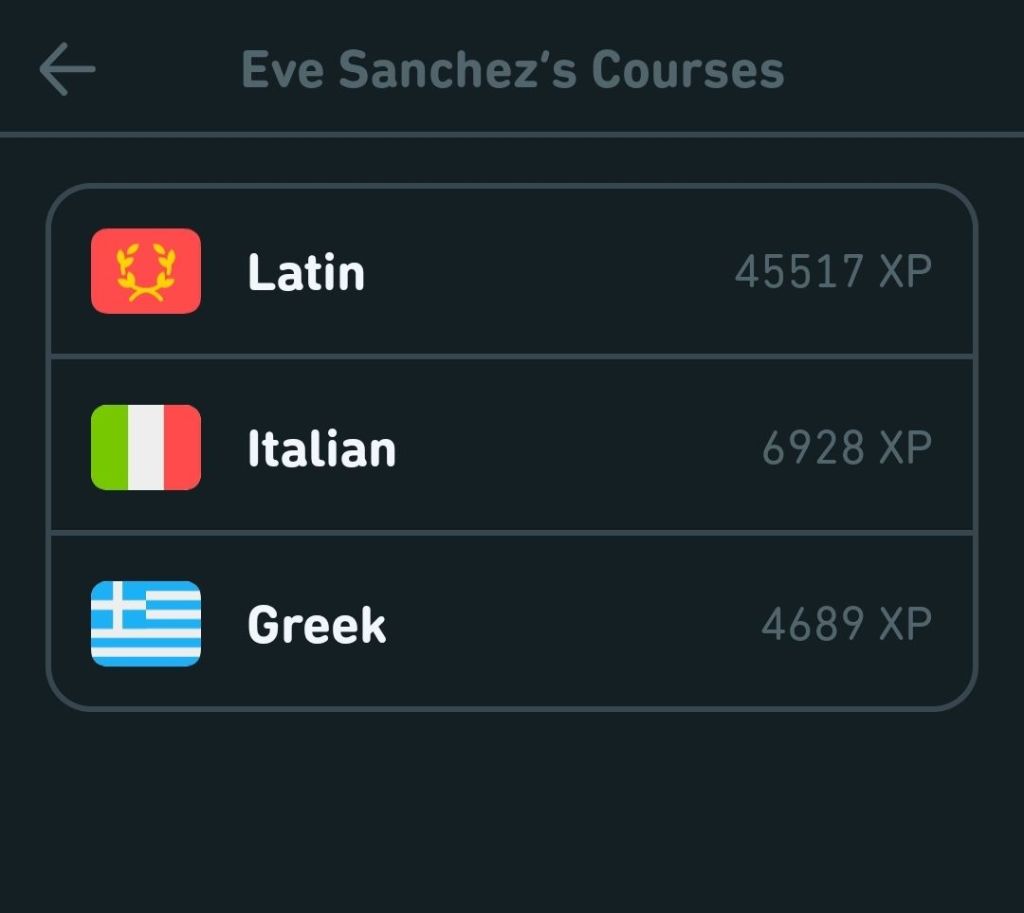
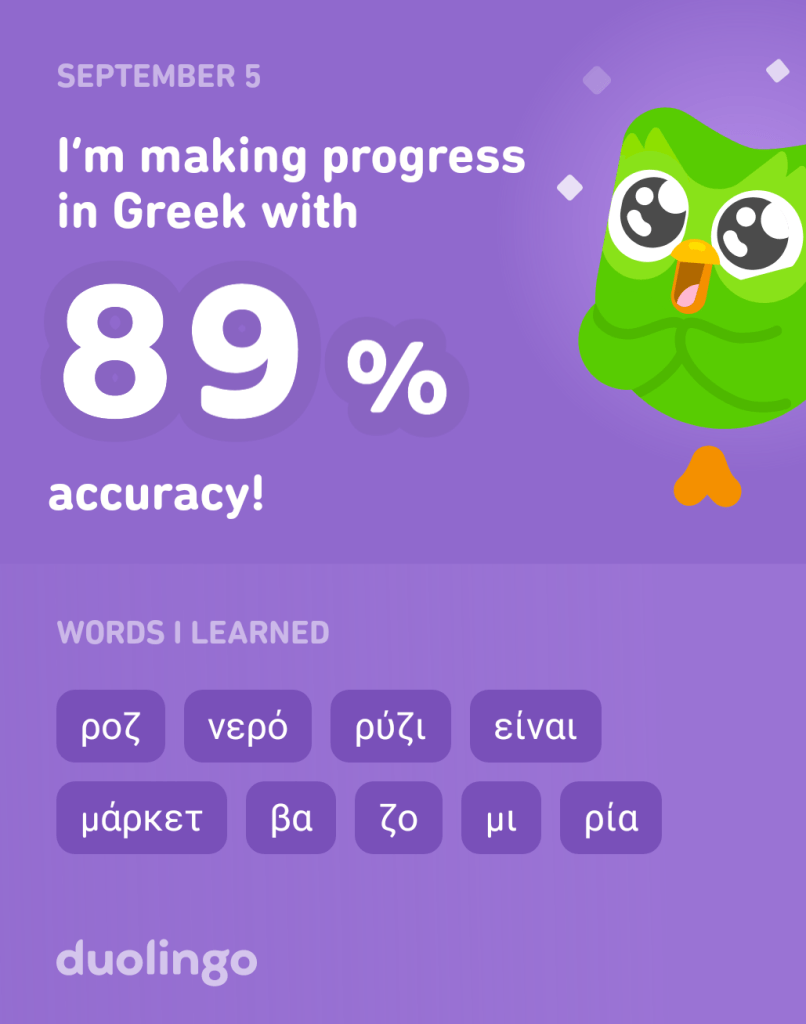
It is true that I love language study and learning and I love Duolingo, even though I am not happy they do not have a level two once you finish you language course. I finished my Latin course and got bored, picked up 2 more languages…
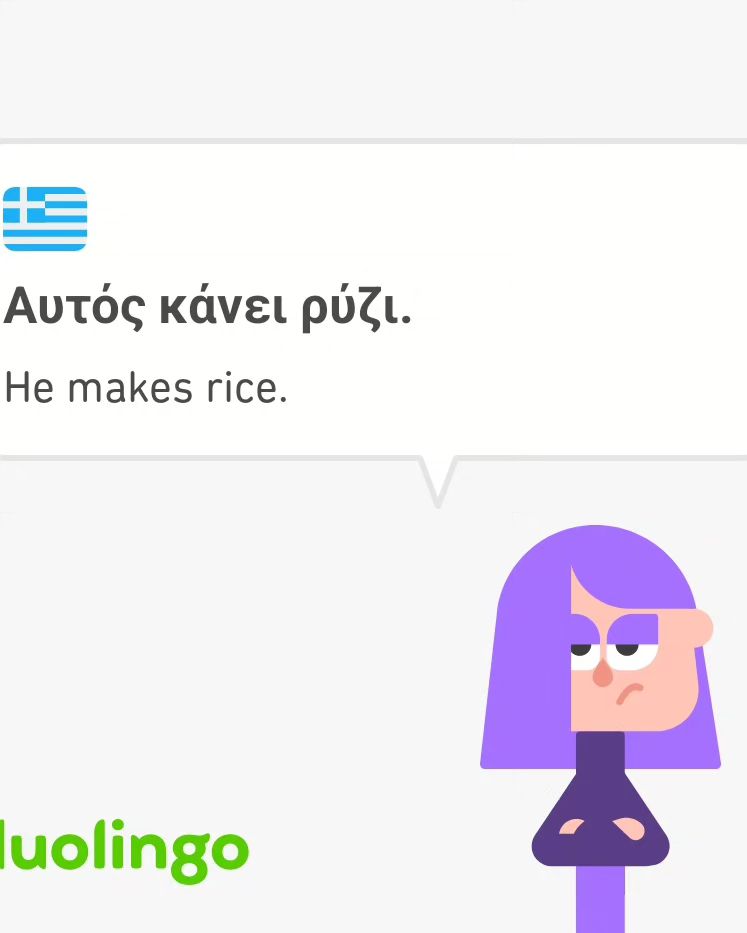
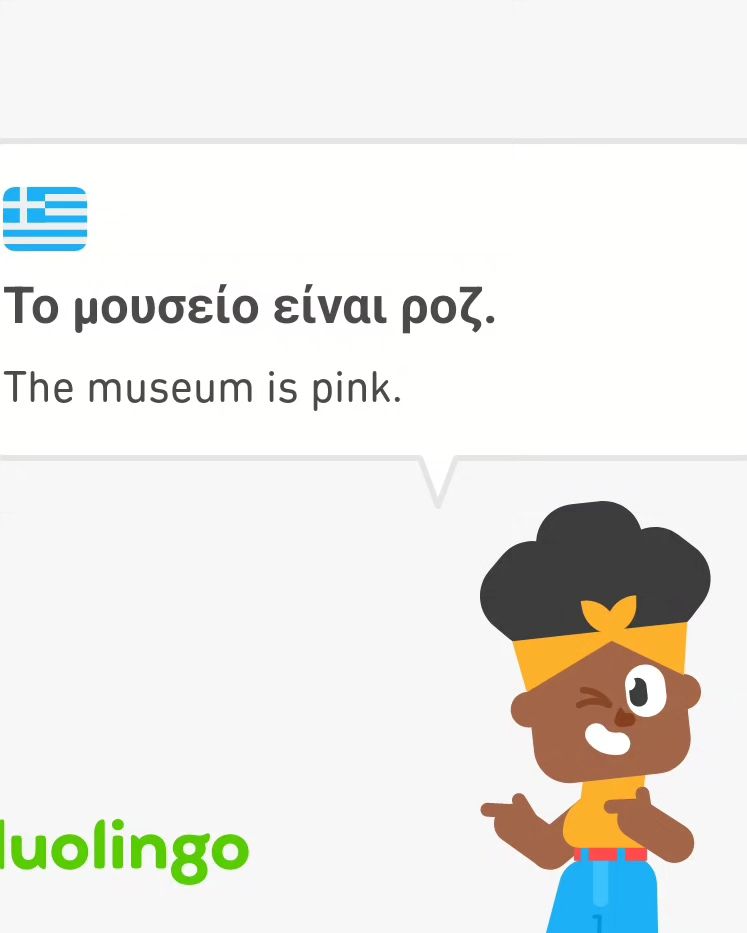
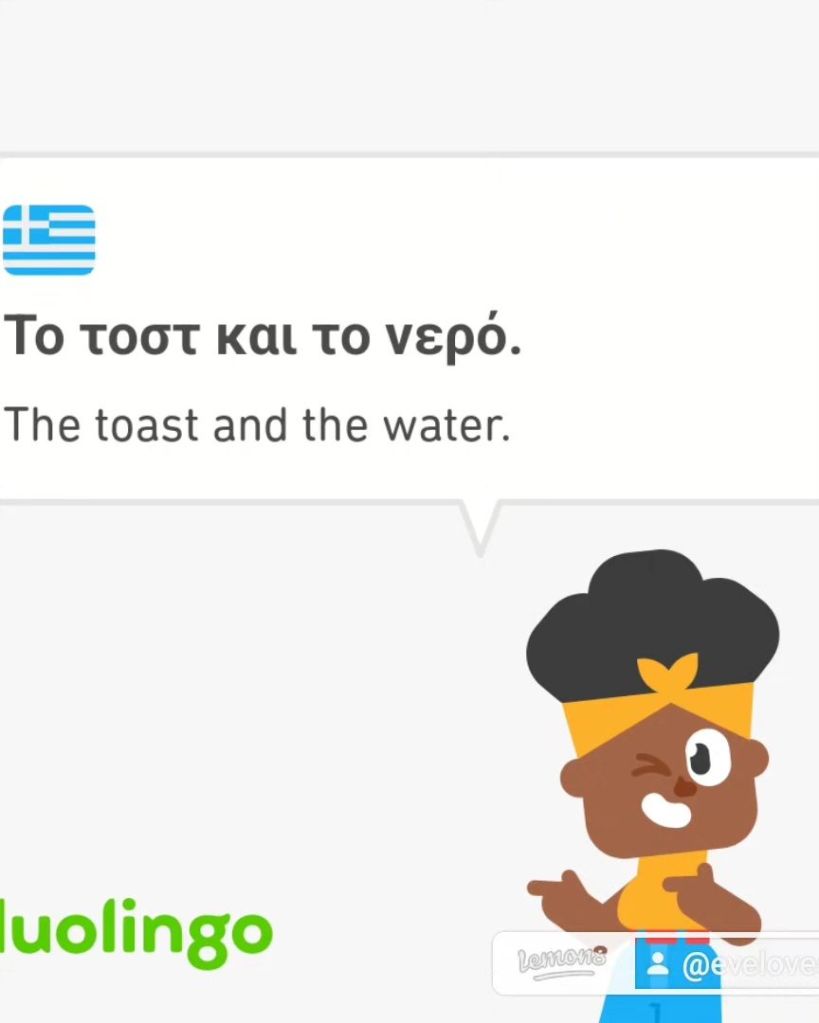
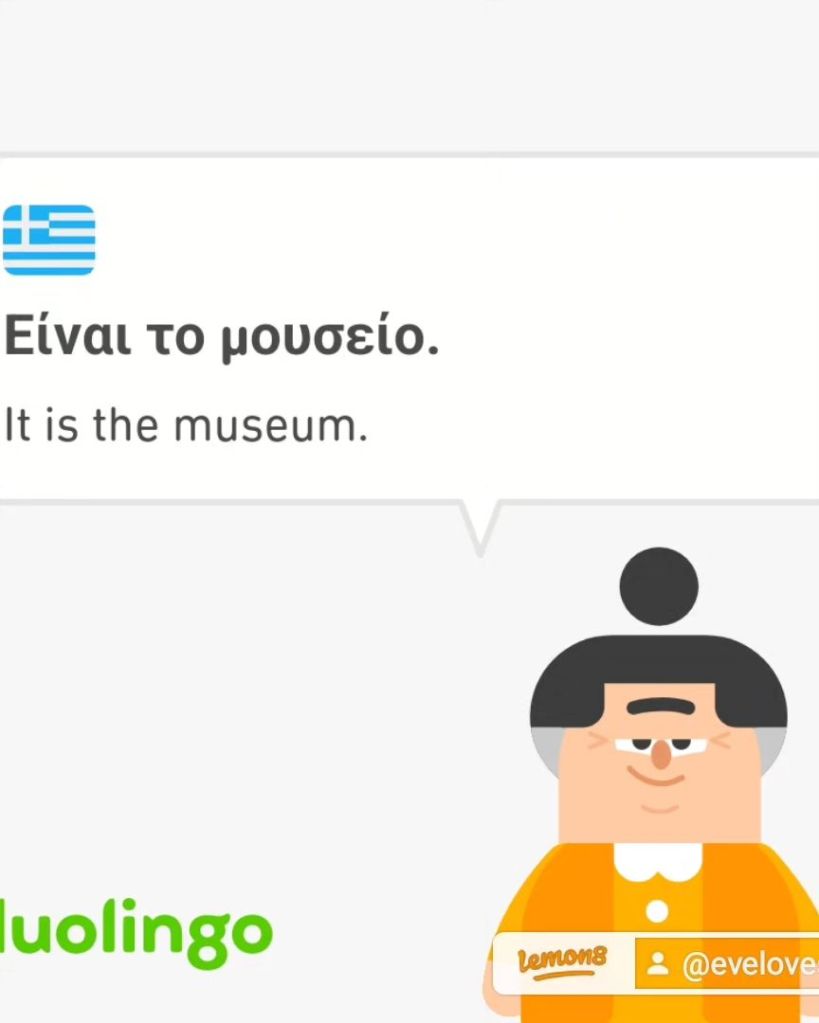
This is my Duolingo report this week:
I guess I have a need to prove I am a real person. Why?
With the modern trend of everything we find being AI, I do have a need to prove that I am a real person who really studies language and teaches her children.
Just today we did Halloween arts and crafts…
Anyway, let us connect on Duolingo if you use it, find me as Eve Sanchez.
Why Duolingo
I am currently trying to have more XP on Greek, also struggling with my Greek.
I do not need to learn a language, but I attempted to get my kids interested in Spanish, my first language, and they do not want to be told what to learn, they have their own opinions and ideas, which is really cute…
I joined Duolingo to inspire my kids to learn languages because they imitate anything I do: no pressure.
It worked because they started learning languages too. They are not organized and quit their own Duolingo, yet, Lilli does my Latin lessons at times, Vivi is learning the Greek alphabet with me, they have a Dinolingo Spanish course, Lilli took a Latin class, Lilli and I have Latin jokes, Alex does the Greek lessons with me and repeats the Greek words, Lilli and Vivi took Spanish classes: it worked, but my inspiration effort is ongoing.
Part of my effort is to have them observe my own learning, as well as to experience my learning methods which are varied and colorful, on top of that to expose them to different languages: music in Spanish and Italian; Italian, Latin, Greek words, phrases, and entire videos or podcasts being broadcasted in our house; and more.
And you,
Are you learning or teaching a language? Which? Do you have tips?
Do you listen to music in your target language?
Learning Spanish?
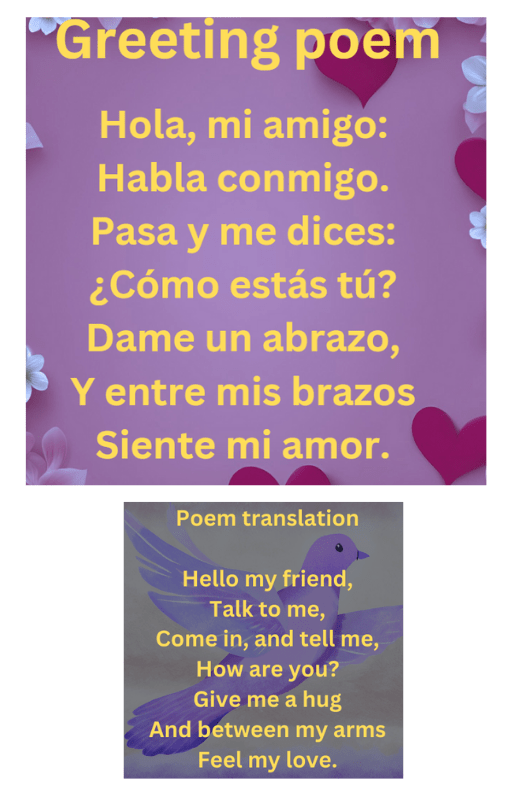
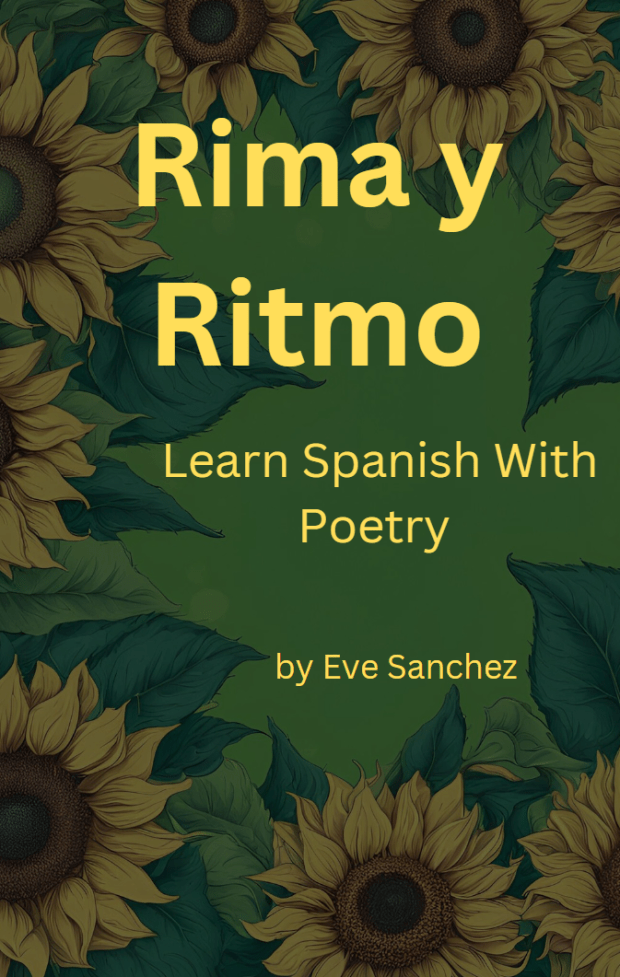
Check out my cool Spanish with poetry clas:
Purchase the class through this link which includes a children’s printable workbook, a test, and more:
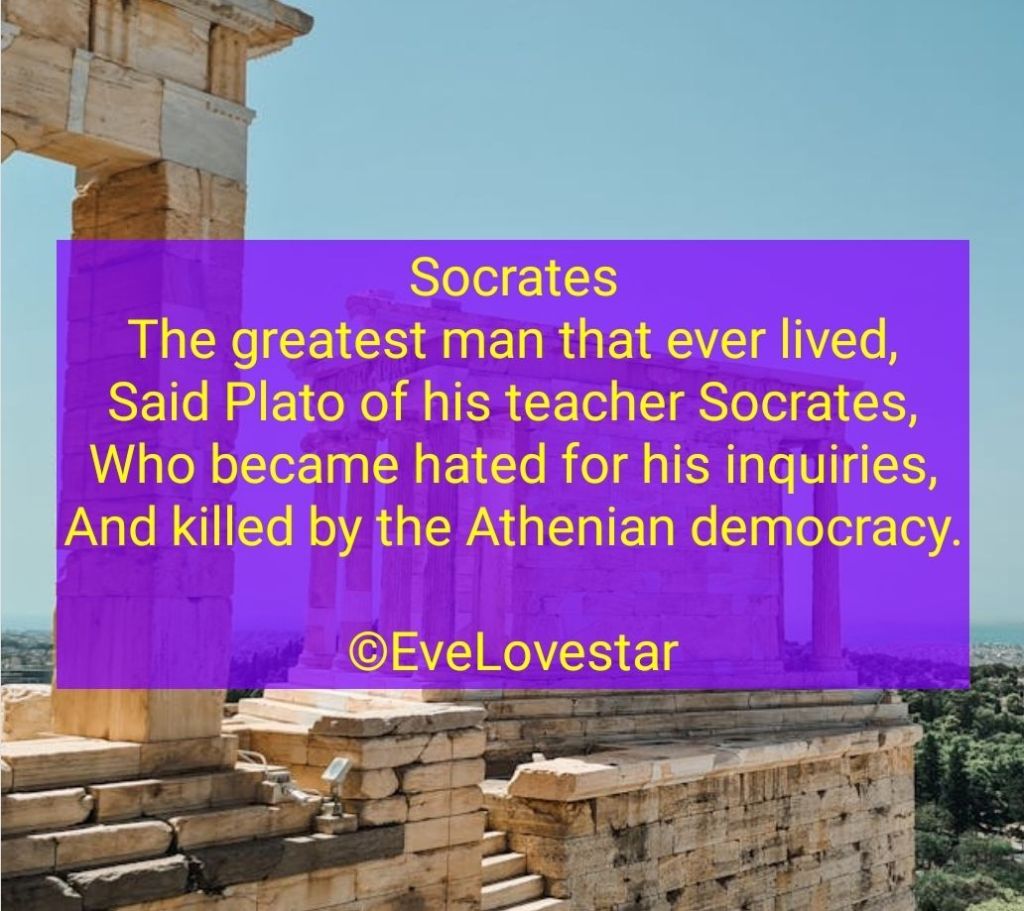
I bring you more Socrates materials for our learning as parents and, soon, tools (including a free Lesson Plan) to introduce this master of questioning to our children.
Below, you will find 2 of my poems about Socrates, which can be used as materials for reading and comprehension, links to philosophy classes, a free class link (using it will be though because they have too many good choices, take your time to find your favorite class), and links for Socrates study.
Poetry is great for the Socratic Method, actually.
Plato: student of Socrates, teacher of Aristotle, who was the teacher of Alexander the Great: some of the most famous names in history and wisdom.
To be able to home educate or homeschool, we must educate ourselves first. Also, by learning, we inspire our children to do the same.
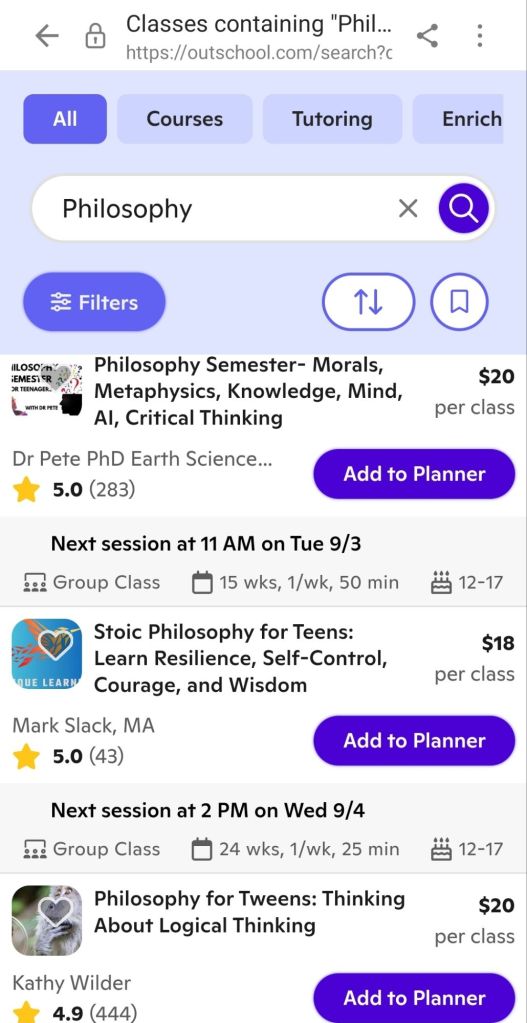
Related Outschool Classes and Tutors. Scroll to get your free class!!!
Outschool is my preferred tutor program, and my three oldest daughters have had many Outschool classes. We enjoy the program so much that I became an ambassador for them. This means I share the classes and teachers I love, and they pay me in free class credits at no cost to you.
Outschool has a bunch of classes for everything. They do not have a class on Socrates, but they have loads of ancient history classes, and I just found too many philosophy classes to share. Outschool is international and likely in your country as well.
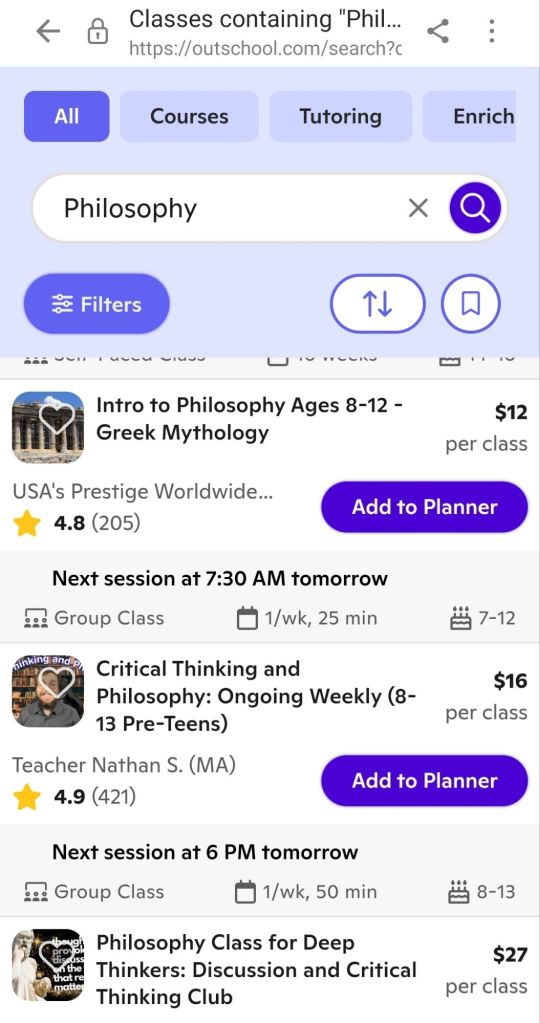
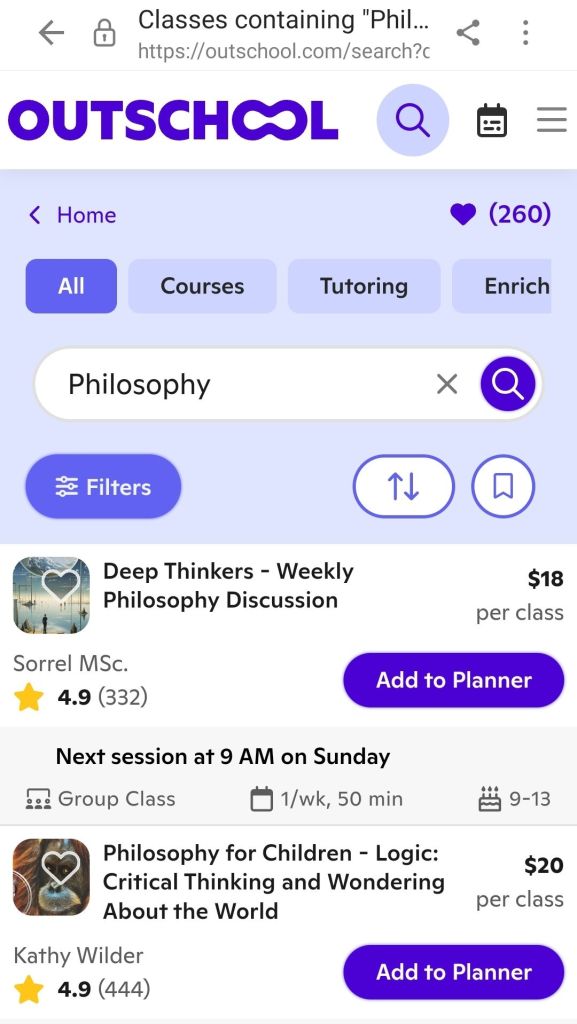
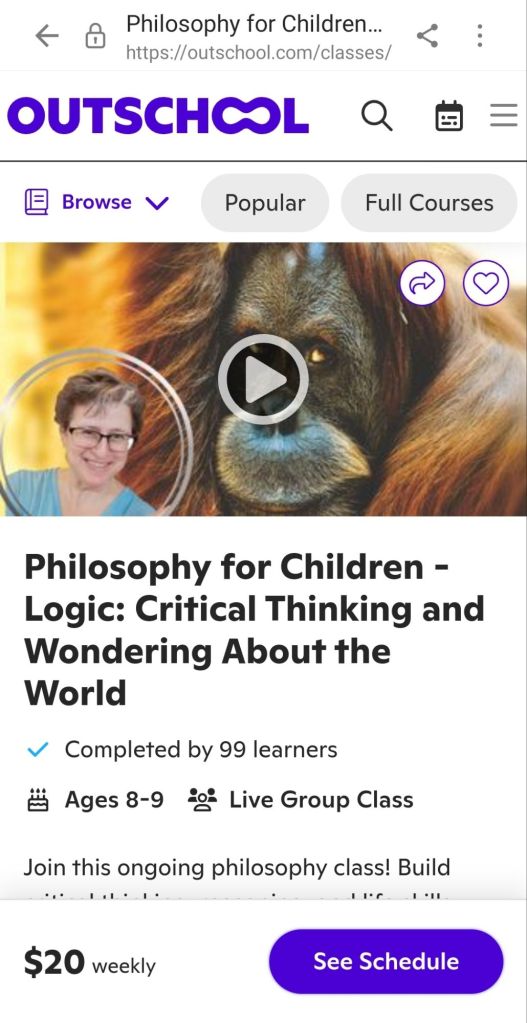
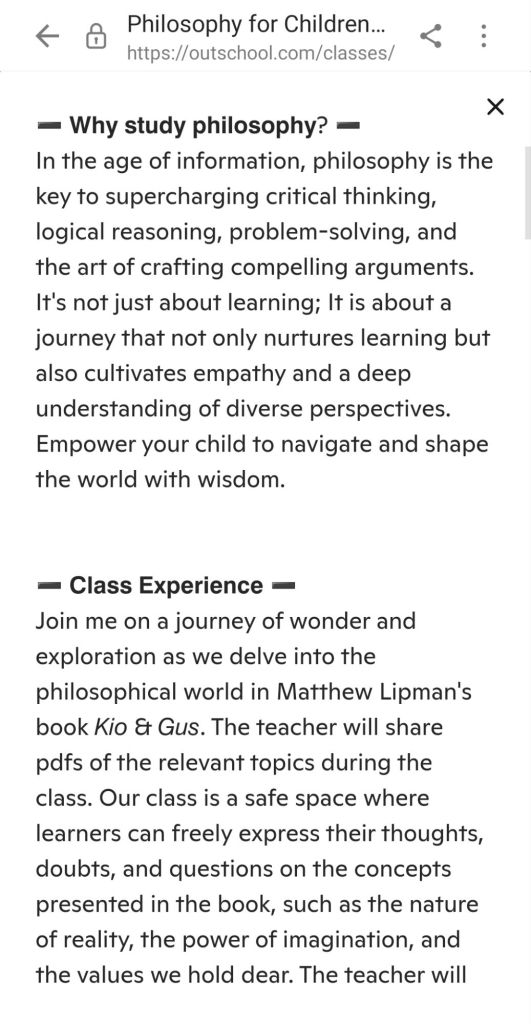
Philosophy classes for children on OutschoolPhilosophy classes on Outschool Philosophy classes on Outschool
Deep Thinkers – Weekly Philosophy Discussion
US Grade 4 – 7 Explore the world of ideas and challenge your perceptions in ‘Deep Thinkers,’ a unique online philosophy class designed specifically for young minds.
This isn’t your typical classroom experience; here, we delve into life’s biggest questions and the mysteries of existence in a fun, interactive, and engaging manner.
Through engaging discussions and thought-provoking exercises, students will journey through a diverse range of philosophical concepts, from understanding the abstract concept of time to discussing human nature and even delving into fascinating ideas like simulation theory. But don’t be intimidated by these ‘big’ topics. Each idea is broken down and presented in a way that’s both accessible and relevant to our students’ experiences.
Outschool lets your kids’ curiosity run wild with classes on any topic you can imagine. If you’re new to Outschool, you’ll get $20 USD referral credit with this link:
If you sign up for an Outschool class, tell them I sent you by adding my code at check out
STAR2024
AZ’s ESA covers the cost of these classes if you have one. I believe ESAs from other states such as Florida cover the costs as well.
Socrates, a poem.
Socrates in the Shadows
In the quiet halls where shadows lie, A thinker walks ‘neath a boundless sky, His breath a whisper in ancient wind, A voice of reason, fierce and thin.
He stands where darkness cloaks the land, A world enslaved by iron hand, The political woes, a heavy yoke, Yet in his heart, no fear awoke.
“Do you not see?” he calls with grace, “The chains that bind, the darkened space, Are but illusions, thin and frail, For wisdom’s light shall never pale.”
With valor bold, he questions all, The gods above, the shadows’ call, He seeks the truth where others flee, In courage fierce, his mind roams free.
He strides through doubts and silent fears, His voice a beacon through the years, He asks of us: “What makes us wise? Is it in gold or in the skies?”
“No,” he says, “it’s in the soul, In questioning the tyrant’s role, In seeking truth where shadows play, In daring to defy the fray.”
For in the face of cruel despair, When tyrants’ lies fill up the air, It’s in the quest for wisdom’s grace, That we reclaim our rightful place.
“Rise above the darkened gloom,” He whispers in the dim-lit room, “Embrace the light, the questions bold, And let your wisdom break the mold.”
In every mind, his spirit sows, A seed of courage, wisdom grows, In questioning, we find the key, To break the chains and set us free.
So heed the call of Socrates, In every shadow, find the peace, For in the search for truths untold, We find the courage to be bold.
Sources for further study: free, online: I’ll offer additional sources soon.
Stay tuned for more coming on this topic, including the free Lesson Plan for our children.
If this helped or inspired you, let me know so I can do more like this. I loved it, but I’ll share more if you like it, too.
If you have questions about Outschool tutoring, let me know in the comments
Note: This was a quick poem that I will most definitely edit when I complete the final Lesson Plan on this subject (the whole package I’m preparing which will take me some time, because I don’t want to rush it.
With the intention to inspire learning, thinking, and questioning,
Let us talk about Socrates, the ancient Athenian philosopher.
First, I’ll include an essay for adults, and coming soon, I’m going to share a free lesson plan for home education parents, just in case you’re looking for educational materials. If you’re a homeschooling parent, and this was helpful, let me know, I’ll be sure to create more like this.
The soon to come lesson plan will be completely free, as my gift to parents. I will continue to develop this lesson plan for use with my kids. I’ll then go about creating materials for my future lesson plan, one that will be complete. This will take a lot of time, but I’ll share a lot of sources for your studies if you’re interested in introducing your children to Ancient Philosophy. Stay tuned.
The free Lesson will include
A lesson plan to introduce kids to Ancient Philosophy and Socrates
The lesson will be tailored for children 8 -12 ( my oldest learners)
Several simple poems for reading and comprehension materials
Socrates. Valor and Fearlessness
Socrates said in his famous trial (the result of which was the Athenians killing him) that the god Apollo had prophesied that there was no wiser man than him.
Socrates went on to inspire wisdom in a level that has not been matched. His student Plato would go on to be the father of philosophy, and Plato’s student, Aristotle (Alexander the Great’s famous teacher), was the father of universities, per this course I listed below.
Source:
Listen to Famous Greeks by J. Rufus Fears, The Great Courses on Audible.
“No honest man can survive in your democracy. It is so corrupt!” Were hos words to his Athenian oppressors proving his valor and fearlessness
Murdered by the Athenians for inpiety
Socrates: The Paragon of Virtue and Philosophy
Socrates, one of the most influential figures in Western philosophy, lived in ancient Athens during the 5th century BCE. His contributions to philosophy, characterized by his commitment to virtue and his fearless stance against the political establishment, have left a lasting legacy.
Legacy and Ideas
Socrates is renowned for his contributions to ethics and epistemology. Unlike his predecessors, who often engaged in speculative and metaphysical inquiry, Socrates focused on practical ethics and the nature of human virtue. His philosophy was grounded in the belief that understanding the nature of virtue was essential for leading a good life. This approach is most famously encapsulated in his assertion that “the unexamined life is not worth living.”
Central to Socratic thought is the Socratic Method, a form of dialectical questioning that aims to stimulate critical thinking and expose contradictions. Through this method, Socrates sought to challenge assumptions and encourage deeper understanding. This approach involves asking a series of questions to help individuals arrive at their own conclusions, rather than providing them with answers. The goal is to foster clarity of thought and promote self-awareness.
Socrates also introduced the concept of “Socratic irony,” where he professed ignorance to draw out the knowledge of others. This tactic allowed him to reveal the ignorance of those who claimed to possess knowledge, thus promoting a deeper exploration of truth.
Valor and Fearlessness
Socrates’ valor and fearlessness are perhaps most evident in his interactions with Athenian politicians and his eventual trial. Socrates lived during a time of significant political turmoil in Athens. His commitment to questioning the status quo and challenging the moral and intellectual complacency of the time often put him at odds with powerful figures.
One of Socrates’ most notable acts of courage was his refusal to abandon his principles, even in the face of severe consequences. During the Peloponnesian War, Athens was under the influence of a series of politically charged events and shifts in power. Socrates remained steadfast in his commitment to questioning the moral and ethical conduct of the politicians and leaders, despite growing hostility.
Socrates’ fearlessness culminated in his trial and subsequent execution. In 399 BCE, Socrates was charged with impiety and corrupting the youth of Athens. He was sentenced to death by drinking poison hemlock. Despite the gravity of his situation, Socrates faced his fate with remarkable composure, continuing to question and discuss philosophical issues up until his final moments. His willingness to accept death rather than compromise his beliefs is seen as a testament to his commitment to truth and virtue.
Conclusion
Socrates’ legacy endures through his profound impact on philosophy and his embodiment of intellectual courage. His method of questioning, dedication to virtue, and resistance to political pressure have inspired countless individuals to seek truth and live a life of moral integrity. Socrates’ life and teachings continue to be a beacon for those who value wisdom, ethical rigor, and the courage to stand up for one’s beliefs. His unwavering pursuit of truth in the face of adversity exemplifies the highest ideals of philosophical inquiry and personal virtue.
If this was inspiring or helpful, let me know, I would love to do more like this.
Stay tuned for an upcoming free lesson plan to introduce children to Socrates and Athenian philosophy,
My beloved partner and I home educate 3 children (our 2 youngest are toddlers). It is no easy task. Today, I want to express my gratitude for the funds the Arizona state provides my children for our choice of education: their ESAs, which allow us to hire amazing tutors and get the needed materials for their education.
We use these funds to get computer equipment, books, materials, pay tutors, and more. These funds help us immensely and have upgraded our home education efforts so much.
What is an ESA?
Education Scholarship Accounts (ESAs) represent a growing trend in educational policy aimed at empowering parents with greater control over their children’s education. Originally pioneered in Arizona and now available in several states across the United States, ESAs provide families with public funds that can be used to customize their children’s learning experiences beyond traditional public school offerings.
What are Education Scholarship Accounts (ESAs)?
Education Scholarship Accounts are state-funded accounts that allow parents to use allocated funds to cover various educational expenses. These accounts are flexible, allowing families to personalize their child’s education by choosing from a range of approved educational services and products. This includes private school tuition, tutoring, textbooks, online courses, special education services, and more.
How do ESAs work?
ESAs typically operate through a government-approved organization or directly through the state education department. Parents receive a portion of the state’s per-pupil funding that would have been allocated to their child’s public school education. This funding can then be used to pay for approved educational expenses. ESAs are managed by parents, giving them the ability to make decisions based on their child’s individual needs and educational goals.
Where are ESAs available?
While initially launched in Arizona in 2011, ESAs have since been adopted in various forms in other states, including Florida, North Carolina, Mississippi, Tennessee, and more recently, Oklahoma and Nevada. Each state’s ESA program may vary in eligibility criteria, funding amount, and allowable expenses, reflecting local educational priorities and policies.
Benefits of ESAs
ESAs offer several potential benefits to families:
Choice and Flexibility: Parents can choose educational services and resources that best meet their child’s needs, including alternatives to traditional public schools.
Customization: ESAs allow for tailored educational experiences, such as specialized tutoring or access to specific curriculum that may not be available in local public schools.
Empowerment: By managing ESA funds, parents are empowered to actively participate in their child’s educational journey, fostering a more engaged and supportive learning environment.
Considerations
While ESAs provide increased educational freedom, they are not without controversy. Critics argue that diverting public funds to private education options could undermine public school funding and exacerbate educational inequalities. As such, the debate around ESAs continues to shape educational policy discussions nationwide.
In conclusion, Education Scholarship Accounts represent a significant development in education policy, offering families greater choice and flexibility in how they educate their children. As ESAs continue to evolve and expand across the country, understanding their impact and implications remains crucial for parents navigating the educational landscape.
Gratitude
Thank you to the government of AZ for creating this amazing program, and I do hope more states will allow them in the future.
We love ESAs and are not looking back to public school ever again.
No offense, of course, to families in public schools. It just doesn’t work for our family.
I home educate my 5 children, and today I will expose some of the misconceptions and realities of homeschooling.
Home education, often referred to as homeschooling, is a practice that has gained considerable attention and popularity in recent years. While it offers flexibility and personalized learning experiences, it is also surrounded by numerous misconceptions that shape public perception. In this article, we delve into the intricacies of home education, shedding light on both the myths and the realities.
One of the most common misconceptions about home education is that it isolates children from their peers, leading to inadequate socialization. However, contrary to this belief, homeschooling allows for diverse social interactions. Families engage in community activities, co-ops, sports teams, and extracurricular classes, fostering meaningful relationships with peers of different ages and backgrounds.
Misconception 2: Lower Academic Standards
Critics often argue that homeschooling lacks rigorous academic standards compared to traditional schooling. Yet, many homeschooling families follow structured curricula aligned with national or state educational standards. Furthermore, the personalized nature of home education enables tailored approaches to learning, often resulting in academic achievements that surpass those of traditional school settings.
Misconception 3: Parental Qualifications and Time Commitment
There is a misconception that parents who homeschool must be highly educated or have teaching credentials. While some states or countries have specific requirements, many jurisdictions do not mandate formal qualifications for parents. Moreover, homeschooling families can leverage a variety of resources, including online courses and community support, to supplement their teaching efforts.
Reality 1: Customized Learning Experiences
One of the greatest strengths of home education lies in its ability to cater to the individual needs and interests of each child. Parents can adapt teaching methods and curriculum to accommodate different learning styles, allowing students to progress at their own pace and explore subjects in depth.
Reality 2: Flexibility in Scheduling and Curriculum
Unlike traditional schooling, homeschooling offers flexibility in scheduling. Families can structure their days to optimize learning based on individual rhythms and interests. Furthermore, they have the freedom to choose curricula that align with their educational goals, religious beliefs, or philosophical convictions.
Reality 3: Positive Outcomes and Success Stories
Research indicates that homeschooled students often excel academically and socially. They typically perform above average on standardized tests and exhibit high levels of self-esteem and motivation. Many colleges and universities actively recruit homeschool graduates for their diverse backgrounds and strong academic preparation.
Conclusion
In conclusion, home education is a viable educational alternative that continues to grow in popularity worldwide. While misconceptions persist regarding socialization, academic standards, and parental qualifications, the reality reveals a dynamic and enriching educational experience. By understanding and appreciating the complexities of homeschooling, we can foster informed discussions and support for families who choose this path for their children’s education.
Through ongoing research and dialogue, we can continue to explore ways to enhance educational options and outcomes for all students, whether they learn in traditional classrooms or at home.
I speak two languages, and I’m learning 3 new languages right now. My study of these three new languages will be for life.
I’m going to offer tips that helped me learn English, which is my second language, and I will be using these tips to learn my three new languages (Latin, Ancient Greek, and Italian).
Tips for learning a second language
Here’s a list of effective tips for learning a second language:
1. **Immerse Yourself**: Surround yourself with the language as much as possible through media, conversations, and cultural activities.
2. **Practice Regularly**: Consistency is key. Practice speaking, listening, reading, and writing every day.
3. **Start with the Basics**: Master the fundamentals of grammar, vocabulary, and pronunciation early on.
4. **Set Realistic Goals**: Break down your learning into achievable milestones to stay motivated.
5. **Use Language Learning Apps**: Apps like Duolingo can provide structured lessons and practice.
6. **Find a Language Partner**: Practice speaking with native speakers or fellow learners to improve fluency and confidence. Or follow native speakers on YouTube, Twitter, etc.
7. **Listen and Repeat**: Mimic native speakers to improve your accent and intonation.
8. **Learn from Context**: Understand phrases and expressions within their cultural and situational context.
9. **Keep a Vocabulary Notebook**: Write down new words and review them regularly.
10. **Watch Movies and TV Shows, listen to music**: Listen to dialogue and immerse yourself in the language.
11. **Read Books and Articles**: Start with simpler texts and gradually move to more complex ones.
12. **Join Language Classes or Groups**: Formal classes or online communities can provide structure and support.
13. **Travel to a Country Where the Language Is Spoken**: Immerse yourself in the culture and practice speaking with locals.
14. **Don’t Be Afraid to Make Mistakes**: Learning from errors is an essential part of the language acquisition process.
15. **Stay Motivated**: Remind yourself why you want to learn the language and celebrate your progress along the way.
By incorporating these tips into your language learning routine, you can enhance your skills and proficiency more effectively.



You must be logged in to post a comment.