Dear reader,
I am currently reading poetry in Latin for my humble Latin learning practice. Let’s discuss why poetry is a fun and effective way to acquire a new language.
This applies to students who already have some knowledge of the new language. If you are starting to read in your target language, this tip applies to you.

Poetry, with its intricate use of language, offers a unique avenue for learners to delve deeper into a new language. Far from the straightforward prose typically encountered in language textbooks, poetry presents learners with a challenge that extends beyond mere grammar and vocabulary. It demands an understanding of cultural nuances, literary devices, and a keen ear for rhythm and cadence.
Yet poetry, with its whimsical beauty, can be the catalyst for a deeper understanding of a new language. I read the same poem for over a week hundreds of times in Latin, and I then translated it. Yes, it took a week, but that’s nothing compared to never understanding that gorgeous piece of literature.
Complexity of Poetry
At its core, poetry is a linguistic art form that pushes the boundaries of language. Its condensed and often metaphorical nature forces readers to interpret meaning beyond literal words. This complexity serves as both a hurdle and an opportunity for language learners. By grappling with poetic verses, learners are exposed to varied sentence structures, idiomatic expressions, and figurative language that are essential for fluency.
Stepping Out of the Comfort Zone
Engaging with poetry requires readers to step out of their linguistic comfort zones even if the poetry we’re reading is in our first language. Unlike everyday language, poetry uses heightened language, symbolism, and imagery, challenging learners to think critically and creatively. This exposure not only enriches vocabulary but also enhances comprehension skills by encouraging deeper analysis of context and subtext.
Linguistic and Literary Growth
Studying poetry aids language learning by fostering a deeper appreciation for the nuances of grammar and syntax. Poetic forms such as sonnets, haikus, and ballads adhere to specific structures, exposing learners to formal conventions while encouraging experimentation with language. Moreover, the rhythmic patterns inherent in poetry improve pronunciation and cadence, aiding in the development of natural speech patterns in the target language.
And dare I say that the repetition in poetry could assist I memory because like that ancient Roman smart guy said
Repetition is the mother of learning.
Another cool thing about poetry is that you can read a poem 5000 times if you love it.
Cultural Insight and Empathy
Poetry serves as a window into the cultural and historical contexts of a language. By exploring poems from different periods and regions, learners gain insight into societal norms, values, and perspectives. This cultural immersion not only enhances language proficiency but also cultivates empathy and cross-cultural understanding.
Practice Makes Proficient
Practicing poetry reading or, better yet, writing in a new language further solidifies linguistic skills. Crafting poems forces learners to apply grammar rules, expand vocabulary, and experiment with stylistic devices. This active engagement promotes language retention and fluency by reinforcing learned concepts in a creative and memorable manner.
Conclusion
In conclusion, while poetry may initially seem daunting to language learners, its inherent challenges and rewards make it a powerful tool for linguistic and literary growth. By embracing the complexity of poetic expression, learners not only enhance their language proficiency but also deepen their understanding of cultural contexts and human experience. Thus, integrating poetry into language learning curriculum enriches the educational experience, fostering a lifelong appreciation for language and literature.
Are you learning a language?
Are you already reading poetry in your target language?
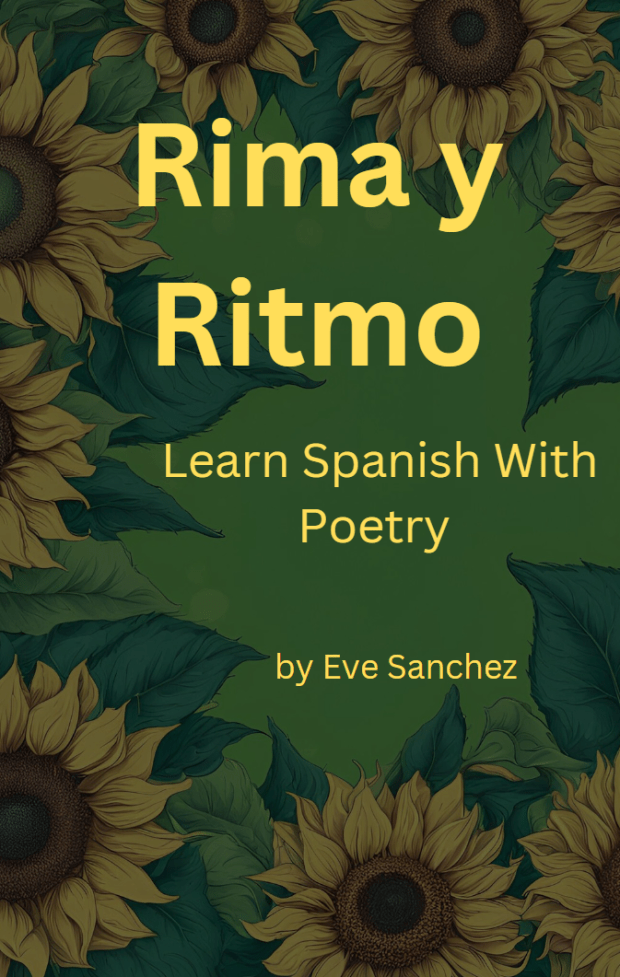
If you’re learning Spanish, I have a multitude of poems for your reading pleasure and language peactice.
Please let me know if you’re searching for Spanish reading texts.
With love,
Eve
















You must be logged in to post a comment.