
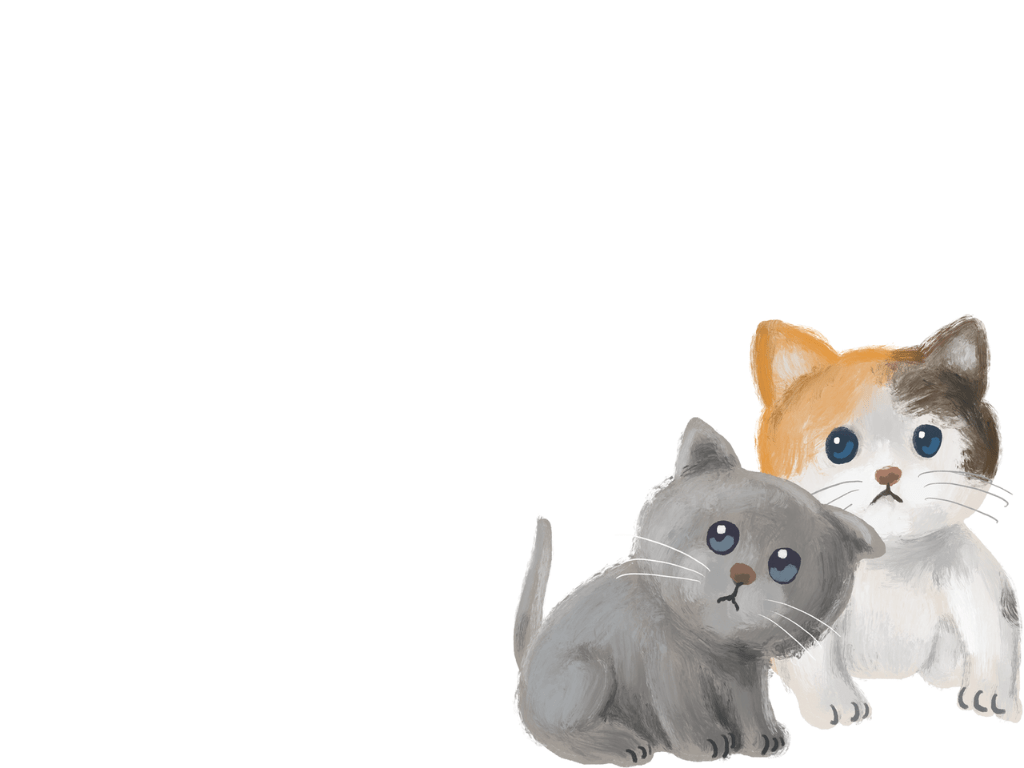
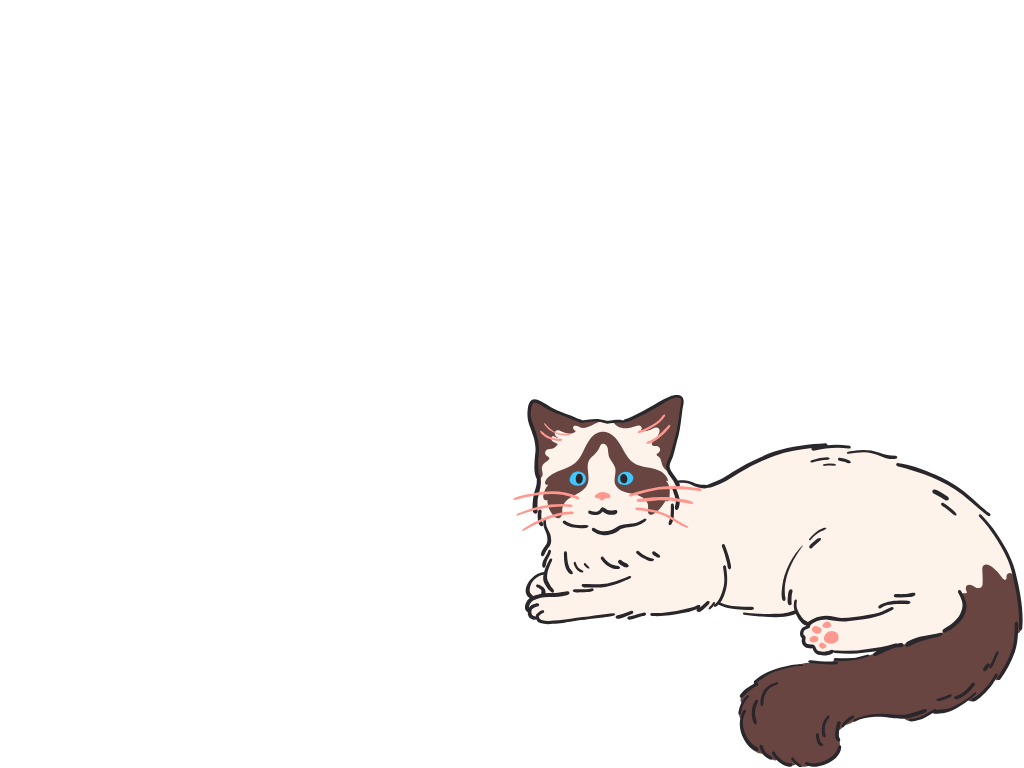
Download and print or type on Canva a mini story or poem inspired by your favorite out of these images.
Share your creations with me on X @evelovestar

Eve
FUN AND LEARNING INTERSECT
Download and print or type on Canva a mini story or poem inspired by your favorite out of these images.
Share your creations with me on X @evelovestar
Eve


Download your favorite, then print it for writing, journaling, or any artistic activity.
Or you can use an app such as Canva to type onto the background, this is what I do, I add mini poems and tiny story poems.

Dear reader,
Are you already using journaling in your homeschool or learning journey?
As adults we already know the power of journaling (if you are not aware look at the data on this), so I realized that journaling would be great for children, too. Today I want to convince you to journal with your kids!
(More learning on Etsy: https://evelovestar.etsy.com )
Journaling is a versatile and enriching tool that can be seamlessly integrated into your homeschool routine. It fosters creativity, critical thinking, and self-expression while complementing your existing curriculum. Here’s how to make journaling a meaningful and enjoyable part of your child’s day:
Journaling doesn’t just build writing skills—it’s a window into your child’s thoughts and creativity. By weaving it into your homeschool routine, you’re giving them a tool for self-expression and learning that will benefit them for years to come. Keep it flexible, fun, and tailored to your child’s unique interests, and watch their enthusiasm grow!
I will be sharing a monthly journal page and exercises on this blog on the first or second Sunday.
These prompts are especially good for kids, particularly homeschoolers, because they inspire creativity, encourage self-expression, and support key educational and personal development goals in a fun and engaging way. Here’s why:
By integrating these prompts into homeschool activities, children not only improve academically but also grow as imaginative, reflective, and curious individuals.
Find us on Etsy for more learning offers
Eve
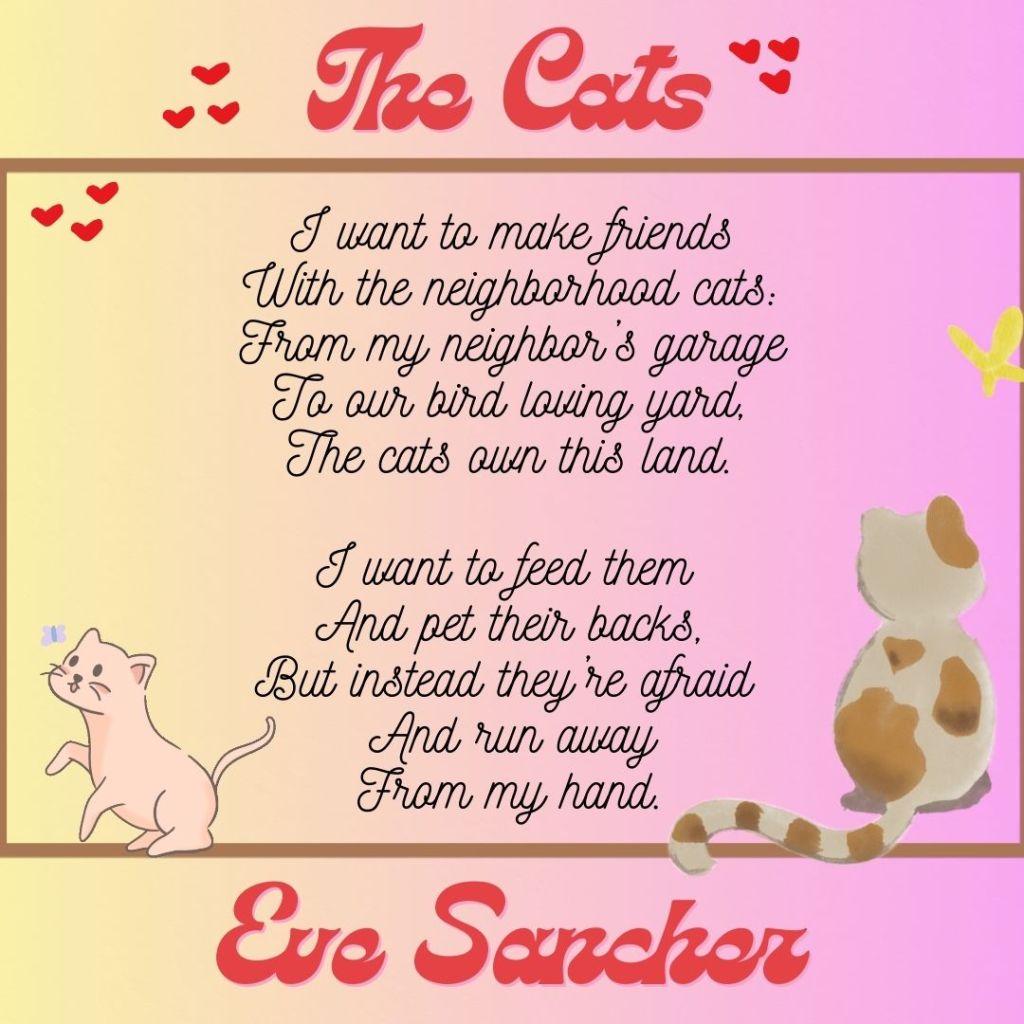
We were inspired by the cats in our neighborhood.
Activity:
Create your own cat poem or creative writing piece using our free background.
Created using Canva.
Free use for homeschooling

Tip: If you do not know how to rhyme, use the rhyming dictionary.
Share your poem with Eve on X @evelovestar
Eve

This Thanksgiving poem, along with other poems and a video, are coming very soon.
Christmas Challenge coming next consisting of one poem a day. I already wrote with my daughters more than 20, and we are also designing free e-cards to share.
Many of the Christmas poems are already scheduled.
I am using these poems for homeschooling purposes, and we will talk about Lilli and Lizzie’s poetry and songwriting efforts soon.
Until the next Thanksgiving post,
Eve

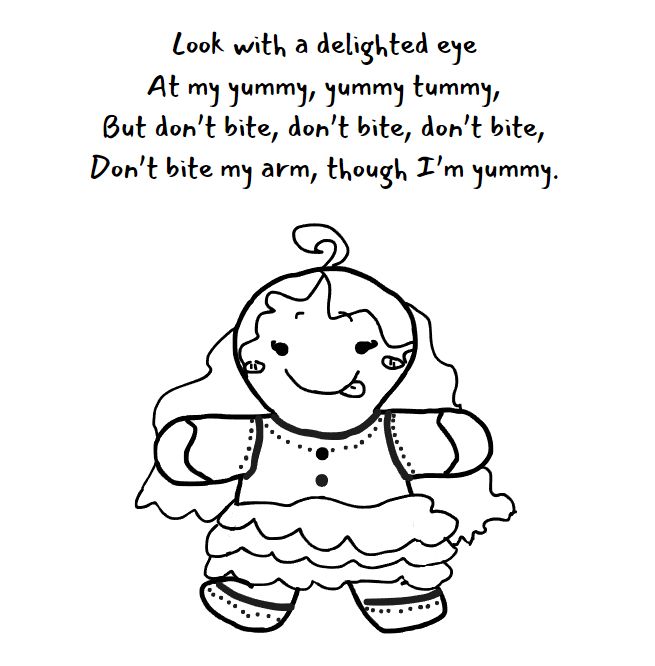
I will be using these to inspire my children to create stories with me.
Here’s a list of 12 immersive and fun creative writing prompts for children, designed to spark their imagination and encourage playful storytelling. Each prompt includes character ideas, inspiration, and fun questions to fuel their creativity:
These prompts offer a blend of imagination, adventure, and mystery, giving kids fun characters and scenarios to build creative short stories from!
Dear reader,
I home educate my 5 children, and today I will expose some of the misconceptions and realities of homeschooling.
Home education, often referred to as homeschooling, is a practice that has gained considerable attention and popularity in recent years. While it offers flexibility and personalized learning experiences, it is also surrounded by numerous misconceptions that shape public perception. In this article, we delve into the intricacies of home education, shedding light on both the myths and the realities.
Misconception 1: Limited Socialization Opportunities
One of the most common misconceptions about home education is that it isolates children from their peers, leading to inadequate socialization. However, contrary to this belief, homeschooling allows for diverse social interactions. Families engage in community activities, co-ops, sports teams, and extracurricular classes, fostering meaningful relationships with peers of different ages and backgrounds.
Misconception 2: Lower Academic Standards
Critics often argue that homeschooling lacks rigorous academic standards compared to traditional schooling. Yet, many homeschooling families follow structured curricula aligned with national or state educational standards. Furthermore, the personalized nature of home education enables tailored approaches to learning, often resulting in academic achievements that surpass those of traditional school settings.
Misconception 3: Parental Qualifications and Time Commitment
There is a misconception that parents who homeschool must be highly educated or have teaching credentials. While some states or countries have specific requirements, many jurisdictions do not mandate formal qualifications for parents. Moreover, homeschooling families can leverage a variety of resources, including online courses and community support, to supplement their teaching efforts.
Reality 1: Customized Learning Experiences
One of the greatest strengths of home education lies in its ability to cater to the individual needs and interests of each child. Parents can adapt teaching methods and curriculum to accommodate different learning styles, allowing students to progress at their own pace and explore subjects in depth.
Reality 2: Flexibility in Scheduling and Curriculum
Unlike traditional schooling, homeschooling offers flexibility in scheduling. Families can structure their days to optimize learning based on individual rhythms and interests. Furthermore, they have the freedom to choose curricula that align with their educational goals, religious beliefs, or philosophical convictions.
Reality 3: Positive Outcomes and Success Stories
Research indicates that homeschooled students often excel academically and socially. They typically perform above average on standardized tests and exhibit high levels of self-esteem and motivation. Many colleges and universities actively recruit homeschool graduates for their diverse backgrounds and strong academic preparation.
Conclusion
In conclusion, home education is a viable educational alternative that continues to grow in popularity worldwide. While misconceptions persist regarding socialization, academic standards, and parental qualifications, the reality reveals a dynamic and enriching educational experience. By understanding and appreciating the complexities of homeschooling, we can foster informed discussions and support for families who choose this path for their children’s education.
Through ongoing research and dialogue, we can continue to explore ways to enhance educational options and outcomes for all students, whether they learn in traditional classrooms or at home.
Is home education something that interests you?
Do you or have you home educated?

Dear reader,
Let’s discuss the benefits of home education focusing on specific research that is promising.

In recent years, the landscape of education has evolved dramatically, with an increasing number of families opting for homeschooling as an alternative to traditional schooling. This shift is driven by various factors, including the desire for greater parental involvement in a child’s education and the flexibility to tailor learning experiences to individual needs. As debates continue on the effectiveness of homeschooling, several studies highlight compelling reasons why empowering parents with more control over their children’s education can be beneficial.
**1. Personalized Learning**
One of the primary advantages of homeschooling is the ability to customize the educational experience to suit the unique learning style and pace of each child. Research by Dr. Brian Ray, founder of the National Home Education Research Institute (NHERI), suggests that personalized instruction leads to better academic outcomes and higher levels of student engagement. Parents can adapt curriculum materials, teaching methods, and schedules to match their child’s strengths, interests, and developmental stage, fostering a more effective learning environment.
**2. Stronger Family Bonds**
Homeschooling often strengthens familial relationships by providing more opportunities for meaningful interaction and shared learning experiences. A study published in the Journal of Research in Childhood Education found that homeschooling families reported closer parent-child relationships and increased communication compared to families with children in traditional schools. The collaborative nature of homeschooling encourages parents to actively participate in their child’s intellectual and emotional growth, creating a supportive and nurturing environment.
**3. Enhanced Academic Performance**
Contrary to misconceptions, research indicates that homeschooled students perform well academically and excel in standardized tests. According to a longitudinal study by Dr. Lawrence Rudner, homeschool students consistently scored above the national average on standardized achievement tests across all subjects and grade levels. This academic success is attributed to individualized attention, focused instruction, and the ability to explore subjects in greater depth based on the child’s interests and abilities.
**4. Flexible Learning Opportunities**
Homeschooling offers flexibility in terms of curriculum, scheduling, and learning environments. Parents can incorporate real-world experiences, field trips, and hands-on activities into daily lessons, enhancing practical skills and critical thinking abilities. This flexibility also accommodates diverse family lifestyles, such as travel, religious observances, or accommodating special needs, ensuring that education remains accessible and relevant to each child’s circumstances.
**5. Socialization and Community Engagement**
Concerns about socialization are often raised regarding homeschooling, but studies show that homeschooled children actively participate in community activities, sports, and social groups. Research published in the Peabody Journal of Education found that homeschool students develop strong interpersonal skills, exhibit higher levels of self-esteem, and engage positively with peers and adults in various settings. Additionally, digital platforms and homeschool co-ops provide opportunities for collaborative learning and social interaction, fostering a well-rounded educational experience.
**Conclusion**
As the landscape of education continues to evolve, homeschooling emerges as a viable option for families seeking greater autonomy and control over their children’s educational journey. Empowered by research and supported by educational resources, parents can effectively tailor learning experiences that promote academic excellence, foster strong family bonds, and nurture holistic development. While homeschooling requires commitment, dedication, and ongoing support, its potential to empower parents and enrich children’s lives remains a compelling argument in favor of parental control over education.
—
Do you have any interest in home education?
Eve




You must be logged in to post a comment.