How to Weave Journaling into Homeschool Routines – Monthly Journal Page

Dear reader,

Are you already using journaling in your homeschool or learning journey?

As adults we already know the power of journaling (if you are not aware look at the data on this), so I realized that journaling would be great for children, too. Today I want to convince you to journal with your kids!

(More learning on Etsy: https://evelovestar.etsy.com )

Journaling is a versatile and enriching tool that can be seamlessly integrated into your homeschool routine. It fosters creativity, critical thinking, and self-expression while complementing your existing curriculum. Here’s how to make journaling a meaningful and enjoyable part of your child’s day:

1. Start the Day with Reflection

  • Begin your homeschool session with a short journaling activity.
  • Use prompts that encourage reflection, such as “What are you excited to learn today?” or “What’s one goal you want to achieve this week?”
  • This sets a positive tone and helps children focus on their intentions.

2. Link Journaling to Subjects

  • Language Arts: Use journaling to practice storytelling, descriptive writing, or poetry.
  • Science: Have kids record observations from experiments, imagine a day as a scientist, or describe a planet they’ve “discovered.”
  • History: Encourage journaling as if they were historical figures or explorers writing letters home.
  • Art: Pair journaling with drawing or doodling to bring their ideas to life.

3. Encourage Creative Exploration

  • Dedicate time each week for “free journaling,” where kids can write about anything they like.
  • Provide fun prompts, such as “If I had a secret superpower…” or “What would a picnic on the moon be like?”

4. Make Journaling Collaborative

  • Incorporate shared family journaling sessions. Write together about shared experiences, like a field trip or a favorite book.
  • Older kids can write letters to younger siblings or collaborate on a story.

5. Create a Journaling Habit

  • Set aside 10–15 minutes daily for journaling. Consistency helps make it a natural part of the day.
  • Allow kids to journal in their preferred format—writing, drawing, virtual, or even voice recordings.

6. Encourage Self-Discovery

  • Use prompts to help kids reflect on their feelings, goals, and personal interests.
  • Prompts like “What makes me happy?” or “What is something I’d love to learn more about?” can build self-awareness and confidence.

7. Incorporate Technology

  • Older kids may enjoy typing their journals or creating digital scrapbooks.
  • Apps or online tools can make journaling interactive and engaging.

Journaling doesn’t just build writing skills—it’s a window into your child’s thoughts and creativity. By weaving it into your homeschool routine, you’re giving them a tool for self-expression and learning that will benefit them for years to come. Keep it flexible, fun, and tailored to your child’s unique interests, and watch their enthusiasm grow!

Welcome to my new monthly journaling prompts for children

I will be sharing a monthly journal page and exercises on this blog on the first or second Sunday.

These prompts are especially good for kids, particularly homeschoolers, because they inspire creativity, encourage self-expression, and support key educational and personal development goals in a fun and engaging way. Here’s why:

1. Encourage Creativity and Imagination

  • Kids can explore new ideas and worlds without limitations, enhancing their creative thinking.
  • Imaginative prompts, like inventing planets or alien creatures, allow kids to think outside the box.

2. Build Writing and Communication Skills

  • Writing about adventures and discoveries helps children practice storytelling and descriptive writing.
  • They learn to organize their thoughts and articulate them effectively.

3. Enhance Critical Thinking

  • Many prompts involve problem-solving or decision-making, such as what to do with magical objects or how to explore unknown worlds.
  • They spark curiosity and encourage kids to think about “what if” scenarios.

4. Support Personal Growth and Self-Discovery

  • Prompts like creating a planet or exploring feelings through colors help kids reflect on their interests, emotions, and individuality.
  • They build confidence as children recognize their strengths and unique perspectives.

5. Integrate Learning Across Subjects

  • Science: Space-themed prompts introduce astronomy and the wonders of the universe.
  • History and Culture: Prompts about time travel or magical objects can tie into lessons about different eras or mythologies.
  • Art: Kids can draw or visualize their creations, reinforcing multi-disciplinary learning.
  • Writing: Many of these prompts can inspire stories.
  • Language: Simply translate the prompt to Spanish or another language.

6. Provide Emotional Expression

  • Journaling offers a safe space for children to explore their feelings and dreams.
  • Homeschoolers, who often work independently, can use these prompts as an outlet for their inner thoughts.

7. Adaptable for All Ages and Levels

  • Younger kids can use simpler language or drawings to respond, while older kids can expand their ideas into detailed stories.
  • Prompts can be scaled up or down depending on the child’s ability or interests.

8. Encourage Parent-Child Collaboration

  • Parents can join in by sharing their answers or helping kids expand on ideas, fostering deeper connections. A good way to help your kid is to ask them questions about what they wrote and as you ask, they create further to answer, this trick works wonders with my kids.
  • Prompts can also spark discussions that lead to new topics for exploration in homeschool lessons.

By integrating these prompts into homeschool activities, children not only improve academically but also grow as imaginative, reflective, and curious individuals.

Find us on Etsy for more learning offers

https://evelovestar.etsy.com

Eve

Tapping Pockets and Wrapping Gifts: A Homeschool Holiday Tradition

It’s that time of year again—time to wrap gifts, share a few laughs, and yes, tap a few pockets . As we all know, the holidays can be a bit of a whirlwind, and for us homeschooling families, it’s no different. We balance schoolwork, crafts, and of course, holiday preparations. But, no matter how busy we get, there’s always room for a little humor and a lot of holiday cheer.

So, this year, as we’re all busy wrapping presents and trying not to get tangled in ribbons, I couldn’t resist sharing a little poem I came up with, just for fun. It perfectly captures the spirit of the season—and maybe a little wink at how those pockets can sometimes feel a little lighter than expected!


Christmas Cheer

You can spread your Christmas cheer
Ribbon tied and neatly wrapped
Under my tree this year,
And leave your lovely pocket tapped….

Eve Sanchez


Now, I don’t mean to alarm anyone, but if you find your pocket a little lighter, just know—it’s all part of the holiday magic. 😉

We’ve all had those moments where the holiday cheer feels a little too… well, cheerful, but let’s not forget the true gift of the season: the memories we create with family. Whether it’s sharing laughs while wrapping gifts or sneaking a peek under the tree to see what’s in store, these are the moments that make the season special.

So here’s to our homeschool crew, tapping pockets, wrapping gifts, and keeping the holiday humor alive. Let’s spread that Christmas cheer—and maybe a little bit of wit—along the way!

Happy Holidays, everyone! May your pockets be full of joy, and your hearts even fuller.

Eve

Our Etsy Shop – Poetry, Art, History, Worksheets

EveLovestar.etsy.com

Welcome to Our Homeschool Haven!

At our Etsy shop, you’ll find a treasure trove of creative, inspiring, and educational resources for homeschoolers of all ages! From activity pages for toddlers to captivating Ancient Greece printables, mandala coloring books with poetic twists, and even bilingual materials and Spanish lessons, we aim to make learning fun, engaging, and unforgettable.

For parents, we offer mindfulness and growth tools, with even more exciting resources to come.

But this is just the beginning! Our mission is to make poetry cool again and to inspire a lifelong love of learning.

Can’t purchase today? Don’t worry—we’ve got you covered with supplemental free content on this blog, videos, and a homeschool world domination plan (yes, really). Join us as we make education an adventure for the whole family!

Current Homeschool Offers

Let’s Learn with Fruit – Toddler Interactive Activities (2 – 5 year olds)

https://www.etsy.com/your/shops/me/listing-editor/edit/1829248086

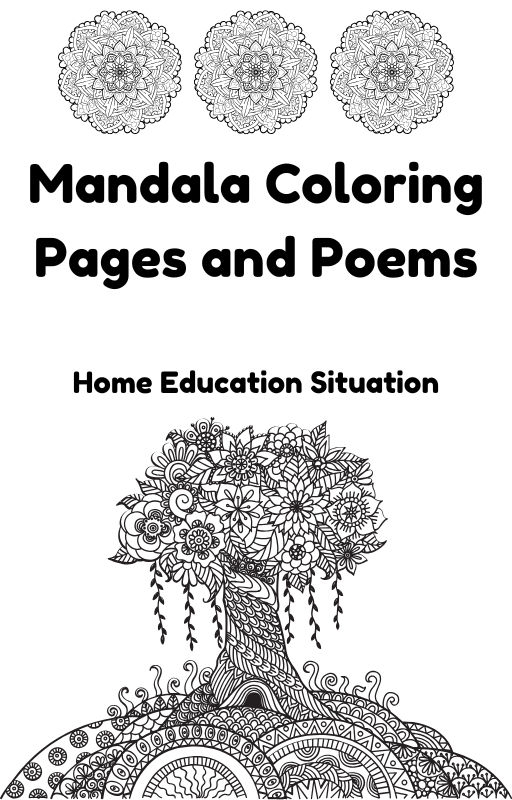
Mandala Coloring Pages with Poetry – (10 – 12 year olds)

https://www.etsy.com/your/shops/me/listing-editor/edit/1843441197

Spanish Class for Children with a Poem – Beginner

https://www.etsy.com/your/shops/me/listing-editor/edit/1780462505

Thank you for your support!

We have a full schedule for 2025 when we will be blogging and creating extensively. Follow us to not miss a thing.

Eve

Understanding Home Education: Exploring the Misconceptions and Realities

Dear reader,

I home educate my 5 children, and today I will expose some of the misconceptions and realities of homeschooling.

Home education, often referred to as homeschooling, is a practice that has gained considerable attention and popularity in recent years. While it offers flexibility and personalized learning experiences, it is also surrounded by numerous misconceptions that shape public perception. In this article, we delve into the intricacies of home education, shedding light on both the myths and the realities.

Misconception 1: Limited Socialization Opportunities

One of the most common misconceptions about home education is that it isolates children from their peers, leading to inadequate socialization. However, contrary to this belief, homeschooling allows for diverse social interactions. Families engage in community activities, co-ops, sports teams, and extracurricular classes, fostering meaningful relationships with peers of different ages and backgrounds.

Misconception 2: Lower Academic Standards

Critics often argue that homeschooling lacks rigorous academic standards compared to traditional schooling. Yet, many homeschooling families follow structured curricula aligned with national or state educational standards. Furthermore, the personalized nature of home education enables tailored approaches to learning, often resulting in academic achievements that surpass those of traditional school settings.

Misconception 3: Parental Qualifications and Time Commitment

There is a misconception that parents who homeschool must be highly educated or have teaching credentials. While some states or countries have specific requirements, many jurisdictions do not mandate formal qualifications for parents. Moreover, homeschooling families can leverage a variety of resources, including online courses and community support, to supplement their teaching efforts.

Reality 1: Customized Learning Experiences

One of the greatest strengths of home education lies in its ability to cater to the individual needs and interests of each child. Parents can adapt teaching methods and curriculum to accommodate different learning styles, allowing students to progress at their own pace and explore subjects in depth.

Reality 2: Flexibility in Scheduling and Curriculum

Unlike traditional schooling, homeschooling offers flexibility in scheduling. Families can structure their days to optimize learning based on individual rhythms and interests. Furthermore, they have the freedom to choose curricula that align with their educational goals, religious beliefs, or philosophical convictions.

Reality 3: Positive Outcomes and Success Stories

Research indicates that homeschooled students often excel academically and socially. They typically perform above average on standardized tests and exhibit high levels of self-esteem and motivation. Many colleges and universities actively recruit homeschool graduates for their diverse backgrounds and strong academic preparation.

Conclusion

In conclusion, home education is a viable educational alternative that continues to grow in popularity worldwide. While misconceptions persist regarding socialization, academic standards, and parental qualifications, the reality reveals a dynamic and enriching educational experience. By understanding and appreciating the complexities of homeschooling, we can foster informed discussions and support for families who choose this path for their children’s education.

Through ongoing research and dialogue, we can continue to explore ways to enhance educational options and outcomes for all students, whether they learn in traditional classrooms or at home.

Is home education something that interests you?

Do you or have you home educated?

Empowering Parents: The Case for Homeschooling

Dear reader,

Let’s discuss the benefits of home education focusing on specific research that is promising.

My daughter Lilli is very proud of this art she learned to create on Outschool, our tutoring service of choice

In recent years, the landscape of education has evolved dramatically, with an increasing number of families opting for homeschooling as an alternative to traditional schooling. This shift is driven by various factors, including the desire for greater parental involvement in a child’s education and the flexibility to tailor learning experiences to individual needs. As debates continue on the effectiveness of homeschooling, several studies highlight compelling reasons why empowering parents with more control over their children’s education can be beneficial.

**1. Personalized Learning**

One of the primary advantages of homeschooling is the ability to customize the educational experience to suit the unique learning style and pace of each child. Research by Dr. Brian Ray, founder of the National Home Education Research Institute (NHERI), suggests that personalized instruction leads to better academic outcomes and higher levels of student engagement. Parents can adapt curriculum materials, teaching methods, and schedules to match their child’s strengths, interests, and developmental stage, fostering a more effective learning environment.

**2. Stronger Family Bonds**

Homeschooling often strengthens familial relationships by providing more opportunities for meaningful interaction and shared learning experiences. A study published in the Journal of Research in Childhood Education found that homeschooling families reported closer parent-child relationships and increased communication compared to families with children in traditional schools. The collaborative nature of homeschooling encourages parents to actively participate in their child’s intellectual and emotional growth, creating a supportive and nurturing environment.

**3. Enhanced Academic Performance**

Contrary to misconceptions, research indicates that homeschooled students perform well academically and excel in standardized tests. According to a longitudinal study by Dr. Lawrence Rudner, homeschool students consistently scored above the national average on standardized achievement tests across all subjects and grade levels. This academic success is attributed to individualized attention, focused instruction, and the ability to explore subjects in greater depth based on the child’s interests and abilities.

**4. Flexible Learning Opportunities**

Homeschooling offers flexibility in terms of curriculum, scheduling, and learning environments. Parents can incorporate real-world experiences, field trips, and hands-on activities into daily lessons, enhancing practical skills and critical thinking abilities. This flexibility also accommodates diverse family lifestyles, such as travel, religious observances, or accommodating special needs, ensuring that education remains accessible and relevant to each child’s circumstances.

**5. Socialization and Community Engagement**

Concerns about socialization are often raised regarding homeschooling, but studies show that homeschooled children actively participate in community activities, sports, and social groups. Research published in the Peabody Journal of Education found that homeschool students develop strong interpersonal skills, exhibit higher levels of self-esteem, and engage positively with peers and adults in various settings. Additionally, digital platforms and homeschool co-ops provide opportunities for collaborative learning and social interaction, fostering a well-rounded educational experience.

**Conclusion**

As the landscape of education continues to evolve, homeschooling emerges as a viable option for families seeking greater autonomy and control over their children’s educational journey. Empowered by research and supported by educational resources, parents can effectively tailor learning experiences that promote academic excellence, foster strong family bonds, and nurture holistic development. While homeschooling requires commitment, dedication, and ongoing support, its potential to empower parents and enrich children’s lives remains a compelling argument in favor of parental control over education.

Do you have any interest in home education?

Eve