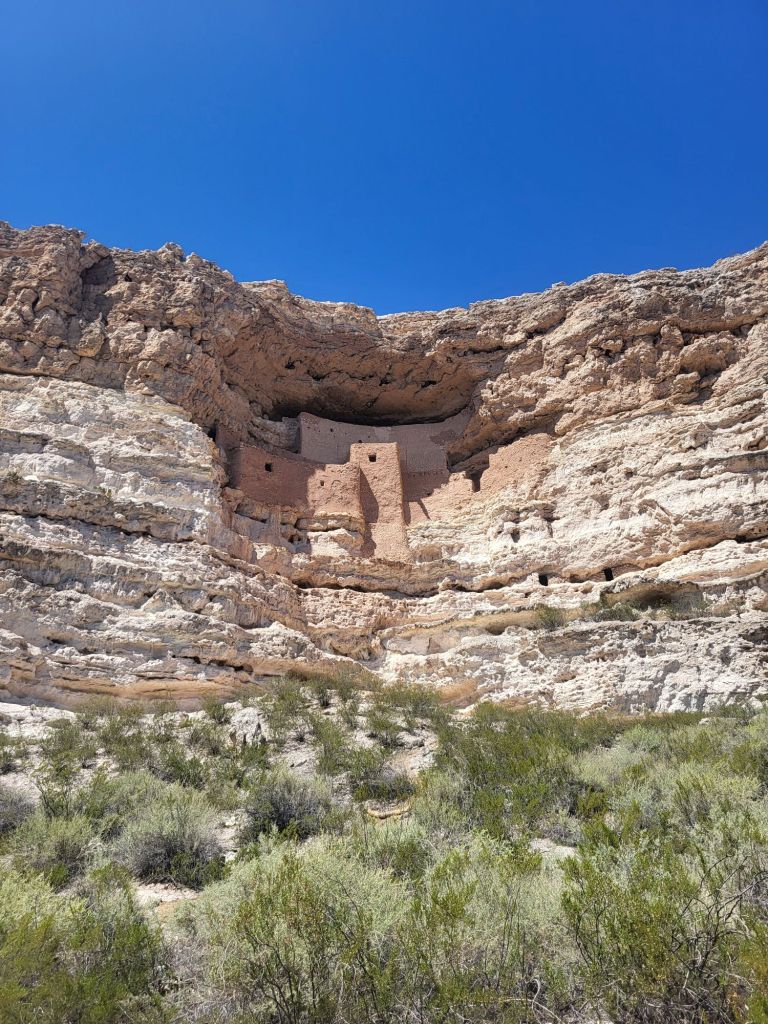
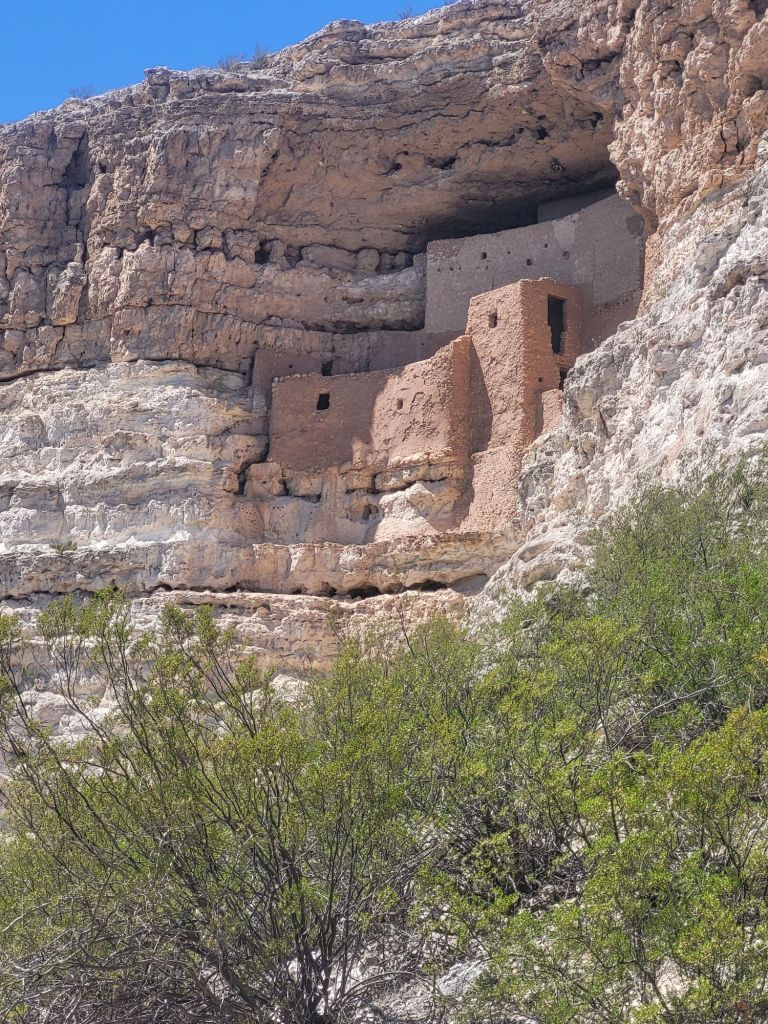
Montezuma National Monument – Montezuma Castle

Here’s a stunning view of Montezuma Castle National Monument, a remarkable cliff dwelling in Arizona.


What’s So Special About Montezuma Castle?

1. What and Who Built It

  • Montezuma Castle is not really a castle but a prehistoric five-story, approximately 20-room “apartment complex” built by the Sinagua people, a pre-Columbian culture related to the Hohokam, between around AD 1100 and 1425, possibly over three centuries .
  • The name is a misnomer: early European-American settlers wrongly believed it was tied to the Aztec emperor Montezuma, though it was abandoned over 40 years before his birth .

2. Location and Structure

  • Carved into a limestone cliff about 90 feet (roughly 80 ft / 24 m) above Beaver Creek, it’s situated just northeast of Camp Verde in the Verde River Valley .
  • The cliff’s natural alcove shielded the structure, greatly aiding its remarkable preservation .

3. Architectural Innovation

  • Built using limestone chunks and mud-based mortar, with wooden beams (from local trees like sycamore) and thatch ceilings—walls were ~2 ft thick at the base, narrowing to ~1 ft at the top; doorways were about 5 ft tall, ceilings around 6 ft high .
  • Located high above the flood-prone valley, it offered safety from Beaver Creek’s seasonal flooding, a clever environmental adaptation .

4. Historical Importance & Protection

  • Declared one of the first U.S. National Monuments by President Theodore Roosevelt on December 8, 1906, under the Antiquities Act .
  • Listed on the National Register of Historic Places in 1966 .
  • Early visitors once climbed ladders to enter the ruins, but access was halted in 1951 to prevent further damage .
  • Restoration efforts have taken place since the late 19th century, including in 1897 and the 1930s; more recently, mid-1990s efforts addressed carpenter bee damage. Preservation uses traditional Sinagua-style techniques when possible .

5. Visitor Experience

  • The monument spans about 860 acres .
  • A 0.3-mile paved loop trail from the visitor center leads to views of the castle; over 95% of the visible structure is original .
  • Features include a museum displaying tools, grindstones (metates), bone needles, ornaments, pottery, and artifacts reflecting their craftsmanship and trade networks .
  • Castle A, another nearby cliff dwelling, is visible from the trail but closed to protect it; it suffered fire damage between 1375–1395 from conflict .

6. Natural and Cultural Legacy

  • The surrounding area hosts a rich ecosystem, where a survey recorded around 784 species, only 11% non-native including bats, birds, reptiles, mammals, and more .
  • At least 14 bat species, including endangered ones like the Western Red Bat and Townsend’s Big-eared Bat, inhabit the site. Hummingbird studies are also ongoing .

Montezuma Well: The Water Source Connection

  • Montezuma Well is a detached unit of the National Monument, located about 11 miles northeast, near Rimrock, Arizona .
  • It’s a large limestone sinkhole approximately 386 ft across and continuously fed by ~1.5 million gallons of spring water daily, even during droughts; water is highly carbonated and contains arsenic .
  • The Well supported early irrigation systems used for agriculture from as early as the 8th century, with parts still in use today .
  • Hosts endemic species, including unique snails, leeches, amphipods, and others, a biodiversity hotspot .

Amazing experience for $10 adult pass. Children enter free.

The children loved it and it was very educational.


Eve
12 Creative Writing Prompts for Children

I will be using these to inspire my children to create stories with me.

Here’s a list of 12 immersive and fun creative writing prompts for children, designed to spark their imagination and encourage playful storytelling. Each prompt includes character ideas, inspiration, and fun questions to fuel their creativity:

1. The Day My Pet Could Talk

  • Inspiration: One morning, your pet wakes up and starts talking! But they have an important message to tell you.
  • Character Ideas: A wise-talking dog, a sassy cat, or a shy hamster who knows a secret.
  • Fun Questions: What does your pet sound like? What’s the first thing they say? What secret have they been hiding all this time?

2. A Trip to a Candy Planet

  • Inspiration: You discover a hidden rocket ship in your backyard that takes you to a planet made entirely of candy.
  • Character Ideas: A candy-loving alien, a chocolate river guide, or a gingerbread scientist.
  • Fun Questions: What does everything taste like? How do you get around on a candy planet? What’s the biggest danger in a world made of sweets?

3. The Invisible Friend

  • Inspiration: You make an invisible friend who helps you with school and adventures, but only you can see them.
  • Character Ideas: A mischievous ghost, a friendly shadow, or a tiny, invisible fairy.
  • Fun Questions: How do you introduce them to others? What do you and your invisible friend do together? What happens when they accidentally cause trouble?

4. A Dragon Moves In Next Door

  • Inspiration: A family of dragons moves into the house next to yours, and they need your help fitting into human life.
  • Character Ideas: A fire-breathing dragon with stage fright, a baby dragon who loves making pancakes, or a grumpy grandparent dragon.
  • Fun Questions: How do the dragons hide their wings and tails? What jobs do they get in the neighborhood? What happens when they accidentally breathe fire?

5. The Secret Library in the Attic

  • Inspiration: You find a secret door in your attic that leads to a magical library filled with books that come to life.
  • Character Ideas: A talking book that gives you advice, a librarian wizard, or a knight from a fairy tale who’s tired of fighting dragons.
  • Fun Questions: Which book do you open first? What happens when a character from a story steps out of the pages? Can you create your own story-world?

6. Superhero School

  • Inspiration: You discover you have superpowers and get invited to a school for young superheroes.
  • Character Ideas: A kid who can turn invisible, someone who can talk to animals, or a hero who controls the weather but sneezes and makes tornadoes.
  • Fun Questions: What’s your superhero name? What’s your first mission? How do you balance saving the world with homework?

7. The Mysterious Box

  • Inspiration: One day, you find a mysterious box on your doorstep with a note that says, “Do not open until midnight.”
  • Character Ideas: A curious inventor, a sneaky detective, or a magical creature hiding inside the box.
  • Fun Questions: Do you open the box early? What’s inside? Does it lead to an adventure or bring a surprise visitor?

8. Lost in a Maze of Giant Toys

  • Inspiration: You get lost in a life-size toy store where all the toys are gigantic—and they come to life!
  • Character Ideas: A helpful stuffed bear, a bossy robot, or a teddy bear who’s afraid of heights.
  • Fun Questions: How do you find your way out? What’s the most amazing giant toy you meet? What happens when a toy decides it wants to be your friend forever?

9. The Treehouse Time Machine

  • Inspiration: You build a treehouse in your backyard and discover it’s secretly a time machine that can take you anywhere in history.
  • Character Ideas: A daring time-traveling squirrel, a kid inventor from the future, or a pirate from the past who got stuck in the wrong time.
  • Fun Questions: Where do you travel first? Who do you meet? What happens if you accidentally change something important in history?

10. My Life as a Tiny Person

  • Inspiration: One day, you wake up and you’ve shrunk to the size of a bug!
  • Character Ideas: A talking ladybug guide, a friendly ant army, or a wise old beetle who knows the way back.
  • Fun Questions: How do you get around now that you’re tiny? What everyday things are now giant-sized obstacles? How do you get back to normal?

11. The Magical Market

  • Inspiration: You stumble upon a hidden marketplace where magical creatures sell enchanted objects and potions.
  • Character Ideas: A potion-brewing witch, a friendly gnome shopkeeper, or a mischievous talking cat selling magic beans.
  • Fun Questions: What magical item do you buy? What does it do? Does it lead to an unexpected adventure or a big mistake?

12. Underwater Adventure

  • Inspiration: While swimming at the beach, you find a secret underwater kingdom that needs your help to solve a mystery.
  • Character Ideas: A playful dolphin, a royal sea turtle, or a jellyfish with a glowing map.
  • Fun Questions: How do you breathe underwater? What is the mystery you need to solve? What magical sea creatures do you meet along the way?

These prompts offer a blend of imagination, adventure, and mystery, giving kids fun characters and scenarios to build creative short stories from!

Words: Advice vs. advise

Dear reader,

English is my second language. learned it as an adult. Since I love to learn properly, grammar has been my best friend.

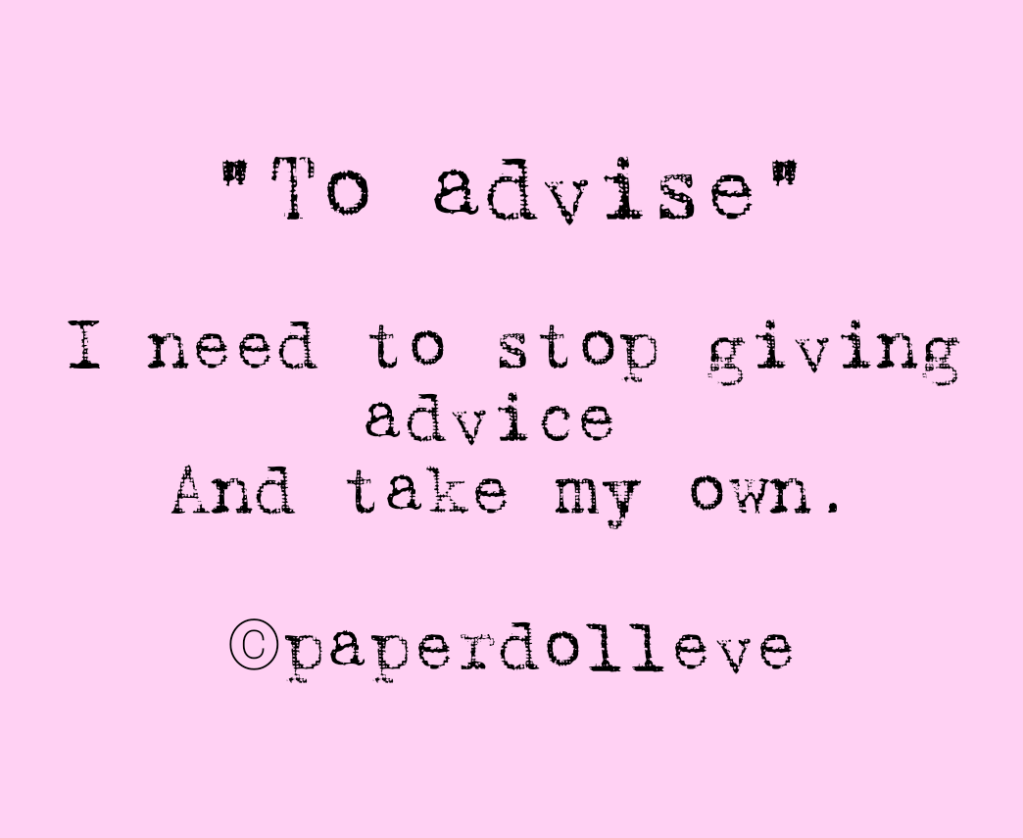
With this short poem, I was trying to make the distinction between advice and advise after I realized I had used the improper spelling of the word. Actually, I thought it was only one word long ago.

When you write, you learn. My advise if you are trying to make a distinction between the two words is to use them in writing. I know now, before, while I was confused and knew I could make a mistake, I would search the difference and find help from a blog post like this one or an article.

Difference between advice and advise

The difference between advise and advice is simple:

  • Advice is a noun, meaning a suggestion or recommendation. Example: “She gave me great advice.”
  • Advise is a verb, meaning to offer a suggestion. Example: “I advise you to listen carefully.”

Tip: Use “advice” when you’re talking about the suggestion itself, and use “advise” when you’re talking about giving or offering that suggestion.

To advice is a verb or a word that refers to action. The action is advising. The word is spelled with an s whenever you say TO ADVISE or ADVISING because these refer to the verb or the action of advising another.

A noun is a thing, wether a physical thing like a table or a non physical thing such as advice

Sentences and examples

When someone is giving a suggestion or recommendation, the action is called advising. So, “advising” is the act of offering advice.

Advice is the thing: the words or suggestions and to advise is the action of saying the advice.

For example:

  • Verb: “The teacher is advising the students to study.”
  • Noun: “The advice she gave was helpful.”

Just remember: the action of giving advice = advising!

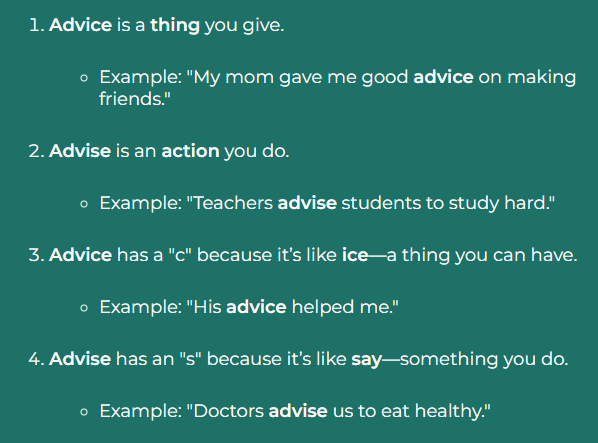
Here are a few simple sentences for children to help them remember the difference between advise and advice:

  1. Advice is a thing you give.
    • Example: “My mom gave me good advice on making friends.”
  2. Advise is an action you do.
    • Example: “Teachers advise students to study hard.”
  3. Advice has a “c” because it’s like ice—a thing you can have.
    • Example: “His advice helped me.”
  4. Advise has an “s” because it’s like say—something you do.
    • Example: “Doctors advise us to eat healthy.”

These can make it fun and easier for children to remember the difference!

Was this helpful?

Feel free to use my poem in your lesson or class or as a reminder.

Please tell me if you would like to see more like this,

With love,

Eve
Comet Stargazing and Home Education Log

Dear reader,

This week we woke up our kids very early and took to the darkness outside looking for the comet A3. We saw it, too. It was an amazing sight even though it only lasted a few seconds and we all saw it (except for the two toddlers).

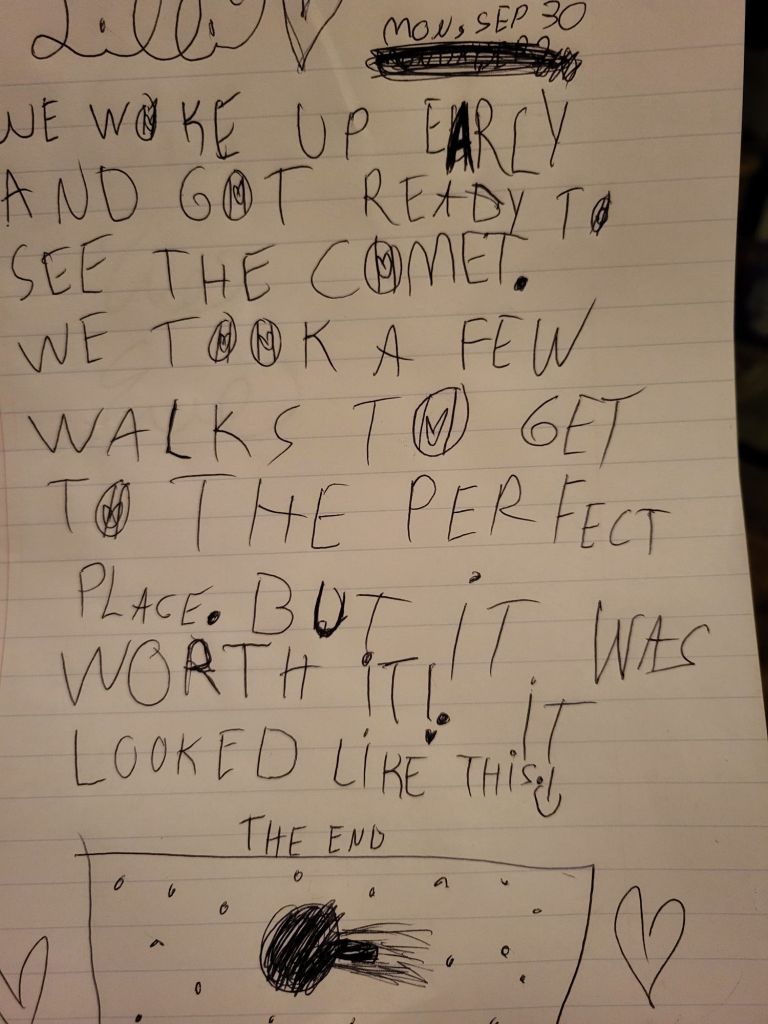
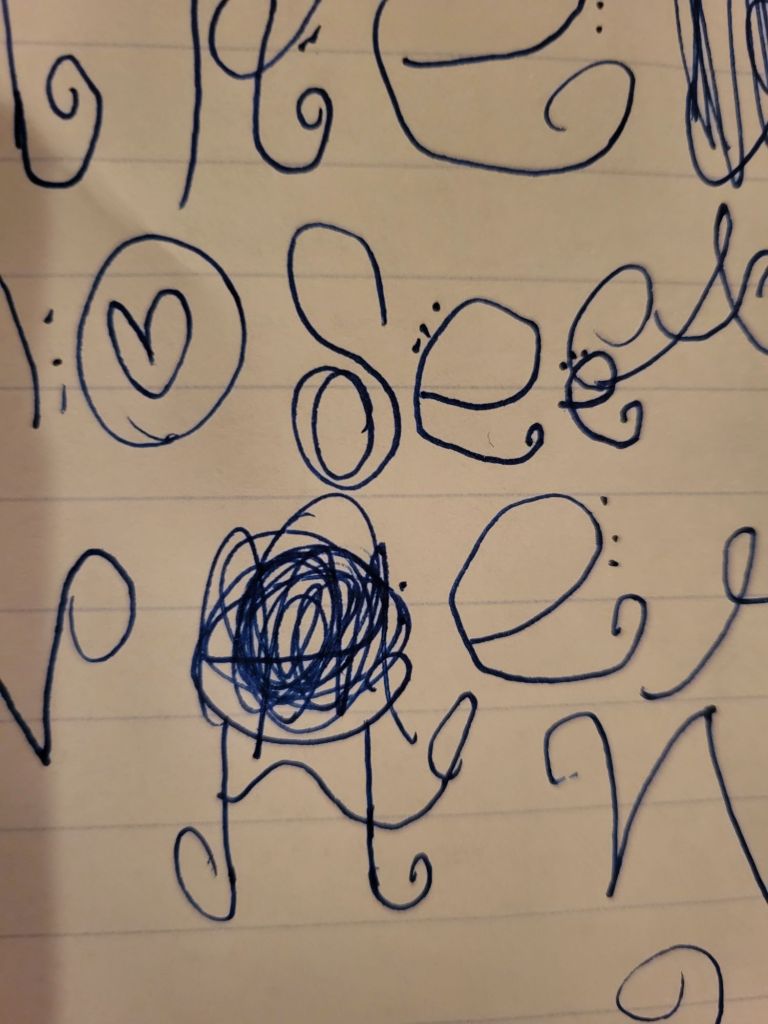
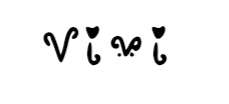
Lilli and Vivi wrote journal entries about it. Lilli, a perfect memory with 0 errors or need for improvement. Vivi in gorgeous letters. She needs to work on the legibility of her writing, but she has chosen incredibly beautiful decorated letters, which I love and I told her, I will have to copy some of her incredible letters.

My focus will be on practicing with Vivi so she can improve the legibility of her writing while keeping her wonderful letter design. I enjoyed her work so much and I was full of pride.

Lilli researched and taught us what a comet as well as a, meteor shower is, wrote this in her journal.

Both Lilli and Vivi drew the comet.

Home Education Log: Learning activities with our kids

This is not an entire list.

We discussed our ancestry, DNA, DNA tests related to ancestry, neanderthal DNA in humans in research, history of our families which interested and intrigued our oldest kid.

We did Halloween inspired art and crafts.

Alex drew a ghost and many more cool drawings. He was inspired by documentaries and videos we watched on the history of Halloween.

We watched documentaries about the history of Halloween, kids stories, and more on this topic.

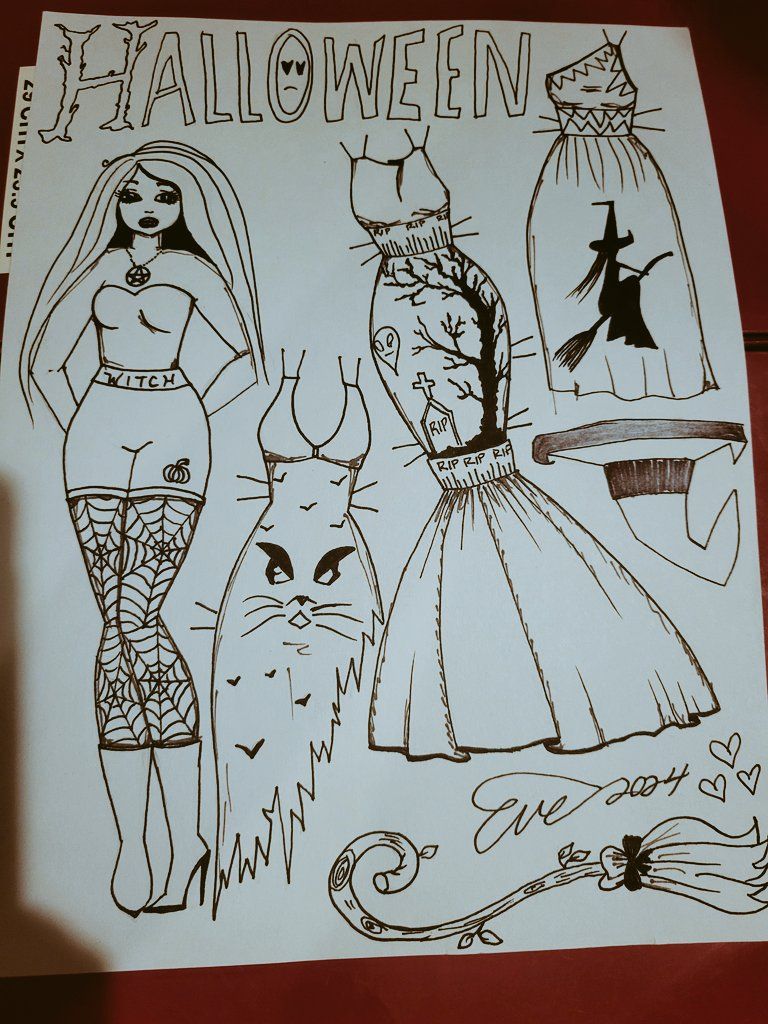
I finished a Halloween paper doll: I love fashion illustration and I incorporate it into our art activities.

This lovely fashion witch was designed in 2014. Back then my illustration skills were beginner level, but the dress designs were gorgeous. With my new skills, I drew a new doll and copied the same exact dresses, added the witch hat and broom.

We found old art of mine and discussed my art progress at which point I took advantage and gave a speech about improving one’s skill. I allowed the kids to see my bad beginner art that I am ashamed to show today and explained how I learned to draw figures by watching experts and used that fuel to inspire them by assuring them they too will be much better in their art.

I helped the kids finish Math worksheets they did not finish during their week.

We studied the Celts, specially regarding our own Celtic roots.

Lilli and I did Math: skip counting, addition, multiplication, and division.

Vivi and I worked on addition.

The kids have been sick, so we have not been to Jiu-jitsu class. They have been playing in the yard and “working in the garden”.

The kids read children’s books.

Lizzie and I wrote a poem together (she created the story) and she did the ending in prose using many words that start with g. Then she wrote the poem by hand. Her intention was to improve her handwriting of the letter g and she succeeded, her g was beautiful after such practice. She will be choosing her next letter to work on and we will repeat this exercise.

Lilli started the new Duolingo Music course.

Lilli returned to her Duolingo Spanish course.

I created children’s songs inspired by Lilli. Lilli created pictures to go with the song. I added AI music to the songs. We sung and sung and danced.

Lizzie decided to write a song. She created a story and we will be working on turning it into a song.

Lilli, Lizzie, Vivi worked on Math, Science, Grammar, Art on Outschool.

Links

https://phys.org/news/2023-10-neanderthals-inherited-genome-now-extinct-lineage.html

https://phys.org/news/2024-09-archaeologists-ancient-neanderthal-lineage-isolated.html

And you, would you share your home education efforts with us?

With love,

Eve
Magnificent Letter G: handwriting practice with poetry.

Dear reader,

Lizzie does not want to learn cursive. I listen.

But she came to me and requested help.with her letter g, lowercase.

She collaborated with me to create this G poem and practiced until we loved her letter g.

The graceful groom
In Ancient Greece
Was in gloom all week:
Ghastly days, lost grace,
His good wife, a ghost,
In the green garden.
Heart goes grey,
Galaxies away,
Gracious goddess:
Gown, crown, greatness.
Green grape dance to the god,
Bring my wife back.
The god’s generous reply,
A glistening sun ray,
And a goose to greet.
In two years time,
Sacrifice a goat,
And your girl will grow
From the goose,
Take care and groom her
Be warned: if you neglect her,
Your guilt a curse will be
To grueling loneliness.

End of story by Lizzie

The groom agrees, he will not neglect the Goose. Two years pass slowly, the groom Has been taking good care of the goose, the Groom brings the goat to the altar, and Prays, Grape god returns, Two years have Passed, Your wish shall be granted, goose Into wife, I command. The groom reunited, He is happy again with his wife. This story Ends with a happy ending.

Lizzie practiced her letter g handwriting by writing the poem on a paper and her creative writing by creating this poem with me as well as writing the ending all by herself.

©evelovestar

Benefits of cursive and Lilli’s handwriting

Dear reader,

I was born and educated in communist Cuba and that means that I had to learn cursive handwriting.

I remember that for not connecting 2 letters on a test, a point would be removed, that is how strict that education system is. On top of that, I remember end of year notebook reviews to review the legibility and good practice of our notetaking and if we kept our notebooks neat for the entire year, we would get up to 5 additional points.

Being educated in Cuba alone was not enough for me to have legible cursive (not cute, legible, there are many levels of cursive).

However, my father was a Spanish teacher and he has amazing cursive and calligraphy. He critiziced my clumsy cursive, and I had to compete with him, he was never impressed. He was the type who would paint signs by hand.

On top of that, my childhood poet, Jose Marti, talked of handwriting. I like the old literature of the 1800s when handwriting was supreme and remember seeing lots of it.

Benefits of legible cursive writing ( my experience)

  • People assume you are more educated
  • People assume you are smart
  • People assume you are classy
  • People look at you like you are unique
  • You have better handwriting than most other people you know
  • You have a creative side, at least you can do letter art
  • You can create signs, some arts, and crafts
  • You can pivot into calligraphy which is beautiful, creative handwriting
  • You can work on legible handwriting: PS, I have earned money on my legible handwriting
  • You will probably have the best handwriting at your job and be chosen to take meeting notes
  • People will comment on your handwriting, even when you are not present
  • Some might ask you to write certain things for them
  • If you are really good, you can earn money from your calligraphy
  • People might assume you are teacher material
  • You can teach children handwriting
  • People might keep notes you wrote for them
  • Any handwriting you post online will get lots of attention because most people can’t do what you can

I have been practicing my calligraphy and I started trying digital calligraphy: It is not easy at all. But, why not: I think life is about choosing what to learn and lerning a little bit more every day.

With handwriting and calligraphy, practice is key.

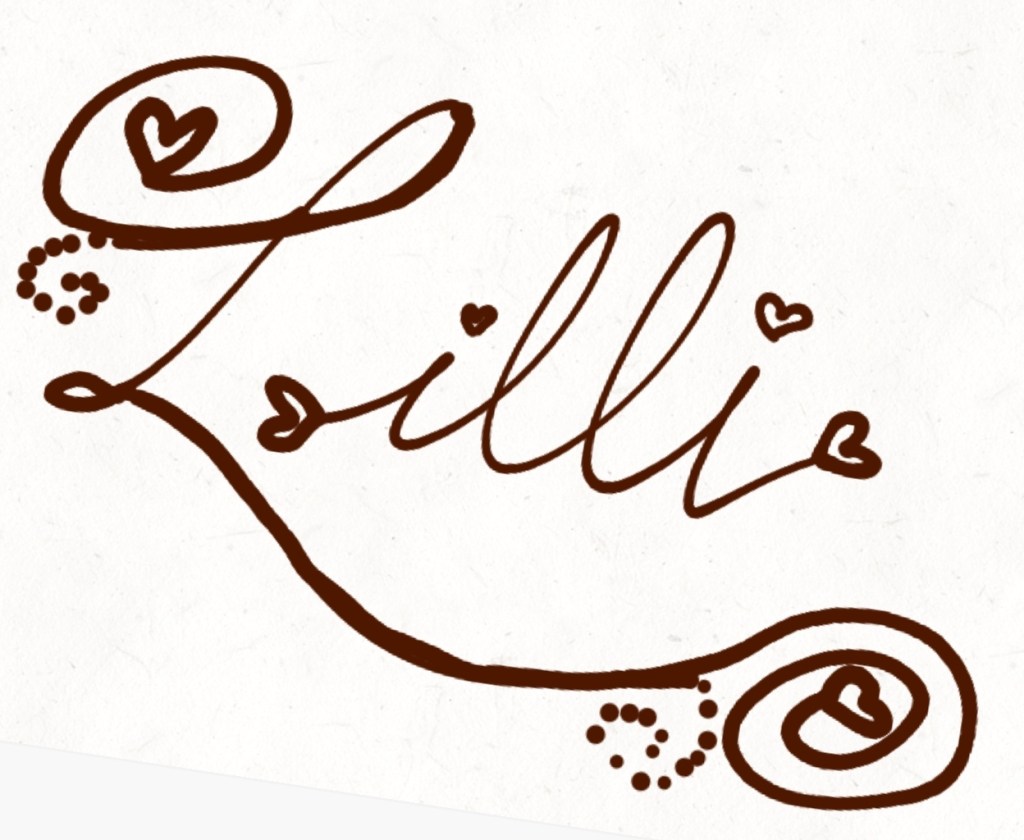
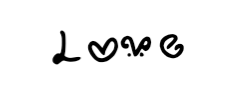
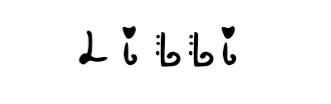
This Lilli that I worked digitally, writing with my computer mouse (though this writing is imperfect) is actually the work of a veteran with years of cursive practice. I should actually be better at it.

Regardless of my perfectionism, my goal is not perfection with my handwriting.

My handwriting goals:

  • Legibility
  • Getting better always
  • Unique letters
  • Feminine designs: swirls, hearts, dots, and fabulous flourishes
  • Artsy letters

Teaching handwriting to my kids

I do not tell my kids come and practice your handwriting for an hour. Instead, I will seat down for 2 hours and practice my own calligraphy. They will wonder what I am doing, come see over and over again, and they will decide that they can do better.

20240922_1733577841505387701653253

Lilli, my artist child (they all show artistic capability, yet Lilli calls herself an artist and seems to be the one who is more willing to be exactly like mommy (I was the same way with my mom and her crafts, not cooking).

Vivi also started decorating her letters, yet she has to work on her legibility. I keep on telling her legibility over beauty. Unless you have a secret something you are writing: I write secret notes in illegible cursive…

And just yesterday, while I worked on this publication, my oldest daughter, Lizzie came up to me to daclare she wants better handwriting. She has however, worked on her handwriting evvery time I did. Lizzie is very strong minded and chooses when she will work on what. She did not want to work on her handwriting when I started, howevver, she saw our handwriting, compared hers to ours, and naturally started writing more legible, her letters were more evenly sized, etc. Of course, now that she requested it, I am going to bring out all my efforts to give her as good a foundation as she will allow.

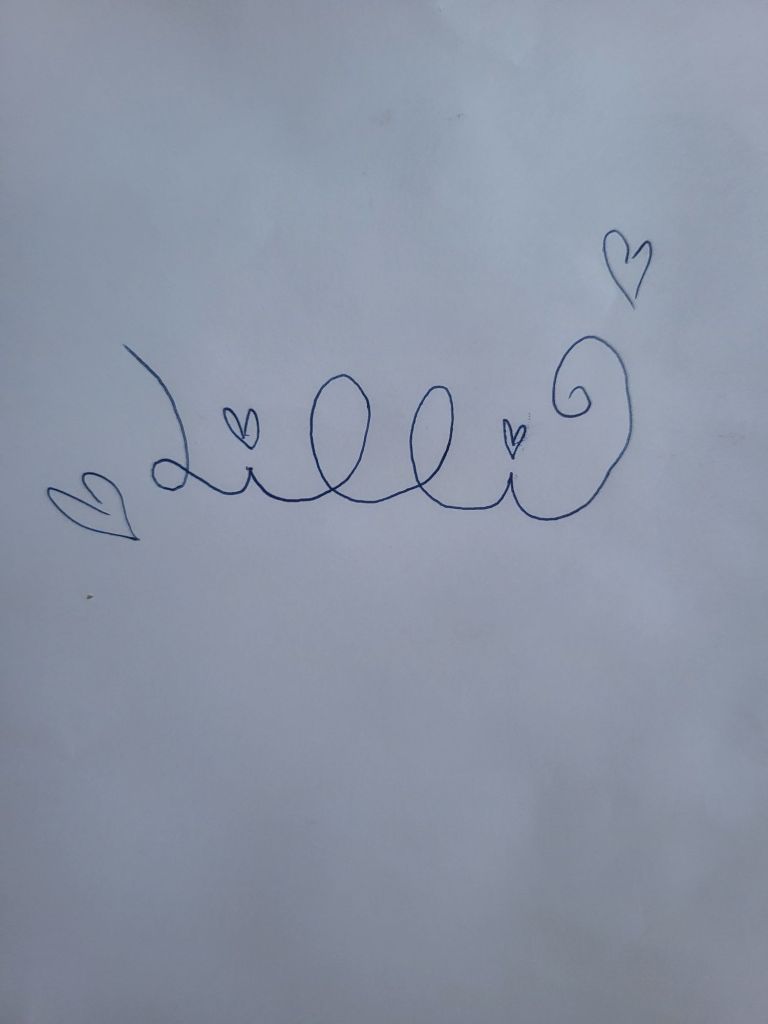
Samples of Lilli’s font. Her font turned out better than my font, becasue I tried to make mine complex and it was too much, Lilli’s letters also turned out more even than mine.

Thank you for reading,

Please tell us your insights about handwriting, cursive, or calligraphy,

With Love,

Eve

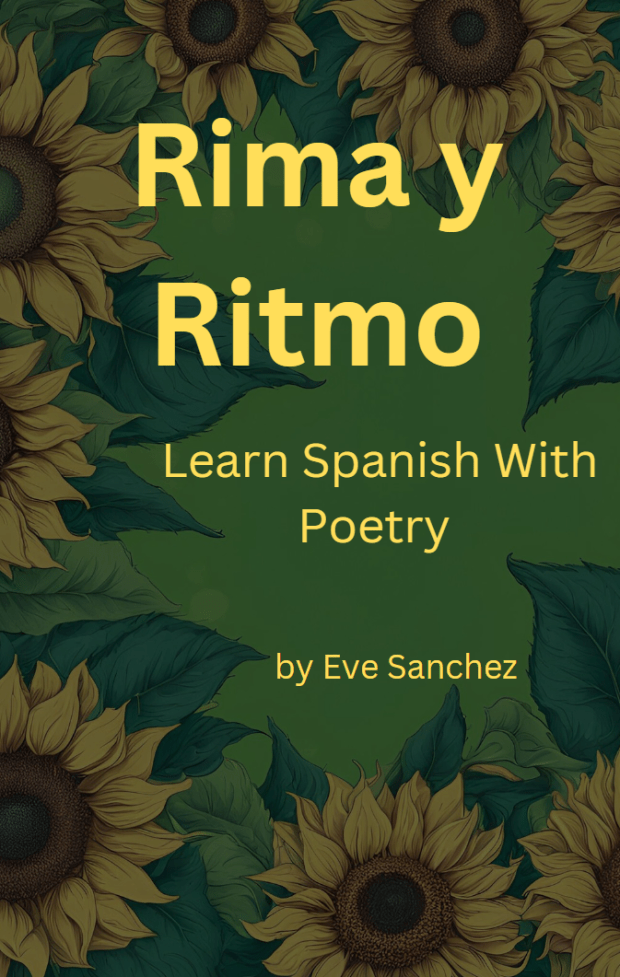
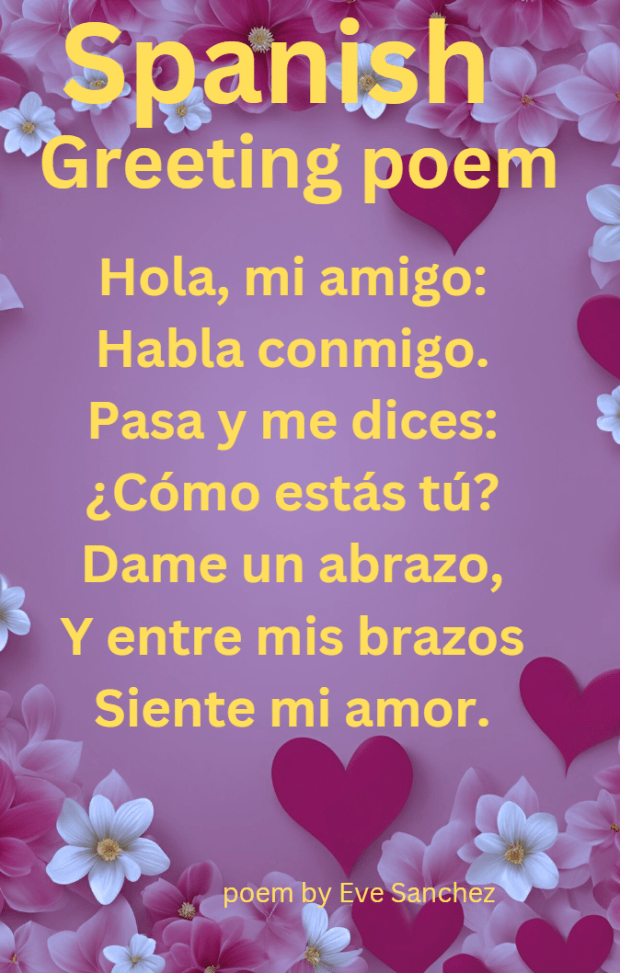
Learn Spanish: Rima y Ritmo: Greeting Poem Printables and test for children

Dear Reader,

The free Spanish lesson plan is on this blog through this link:

Purchase the ebook through this link:

https://payhip.com/b/NLMdU: Learn Spanish: Rima y Ritmo: Greeting Poem Printables and test for children

Rima y Ritmo is my cool Spanish class where I use poetry to teach my kids my native language. I already taught this lesson to my children, and they loved it. I am currently designing lesson 2: the poem is about a butterfly.

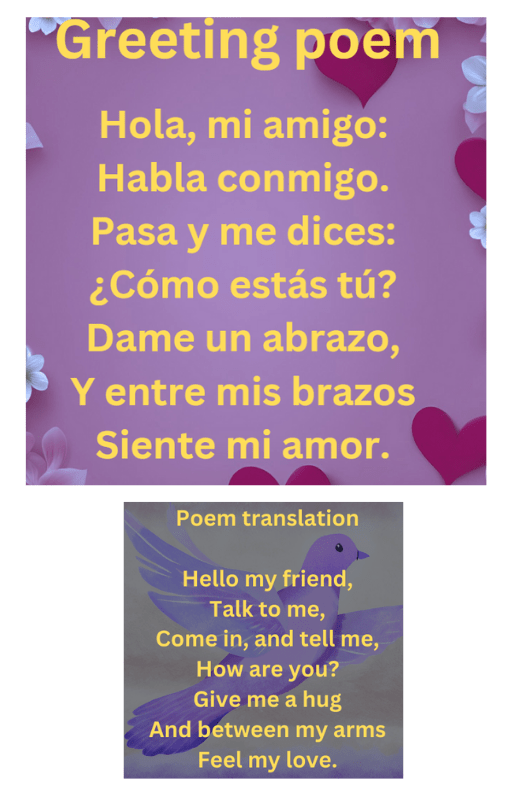
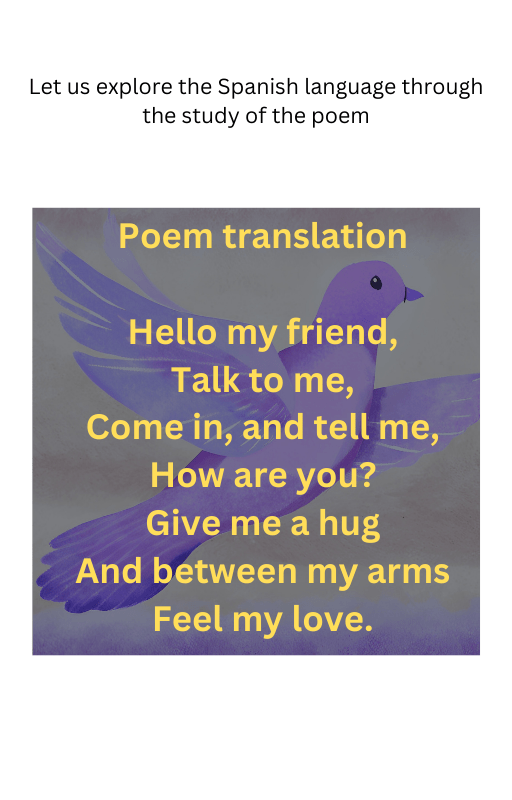
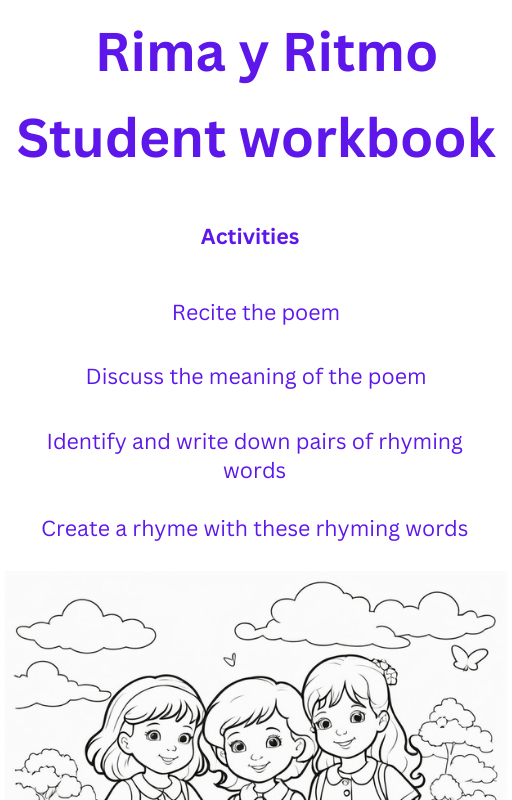
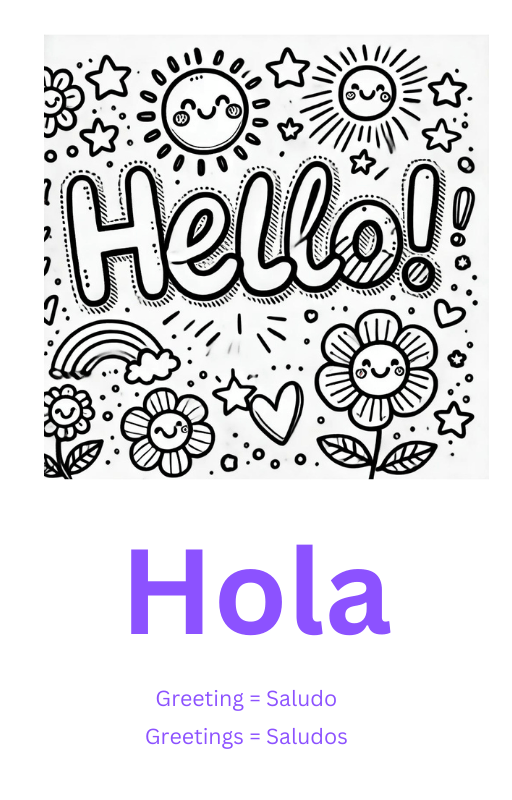
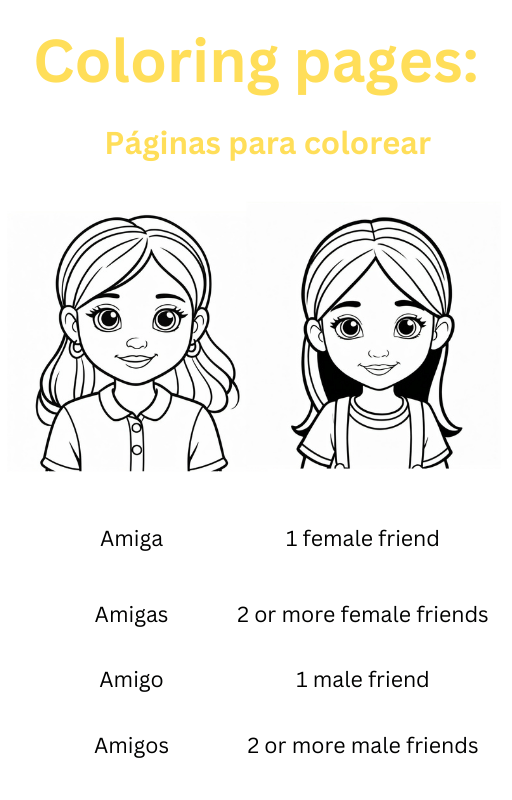
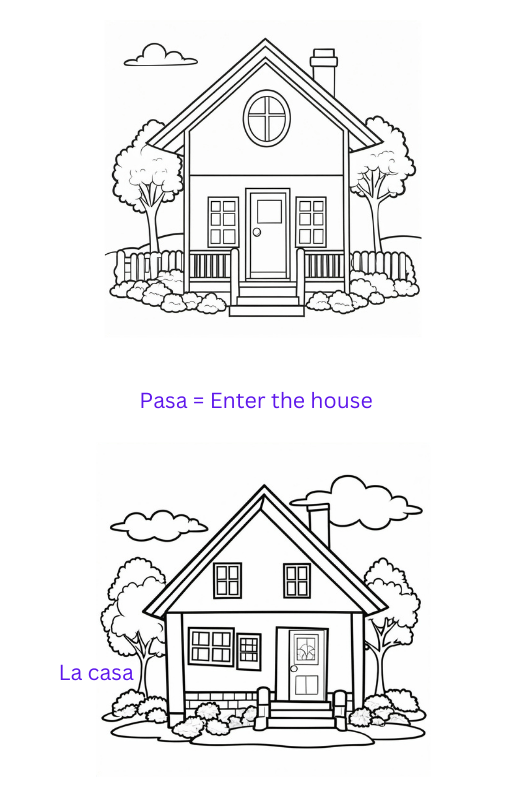
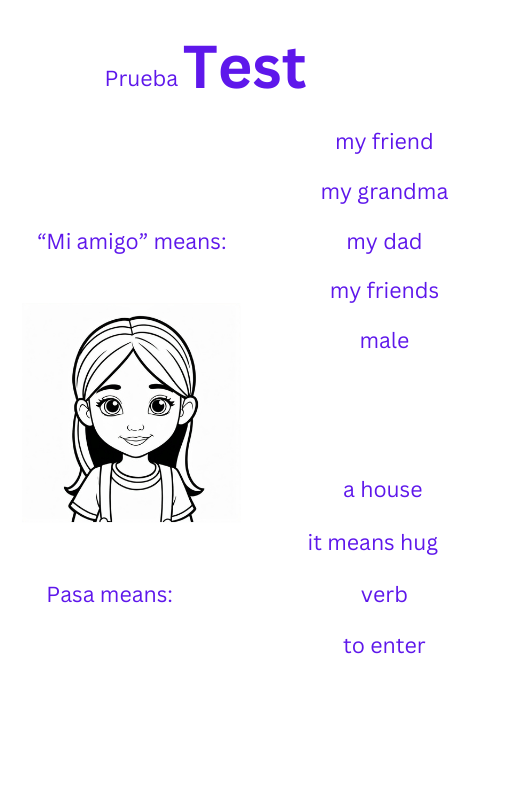
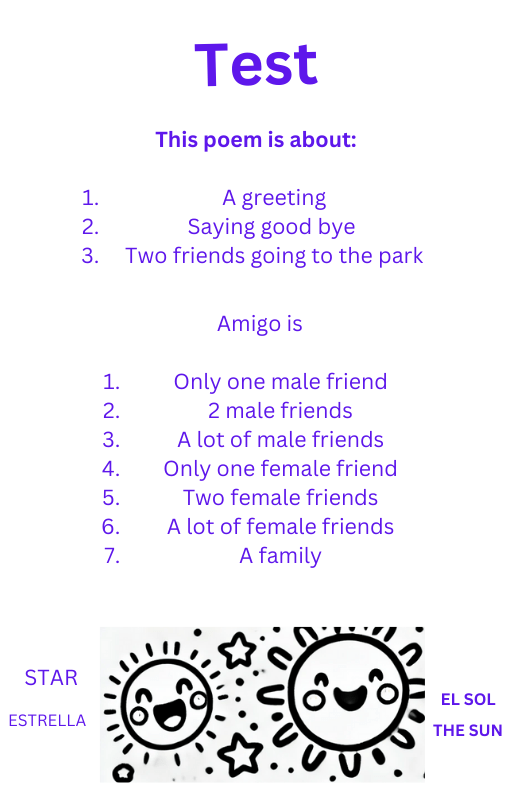
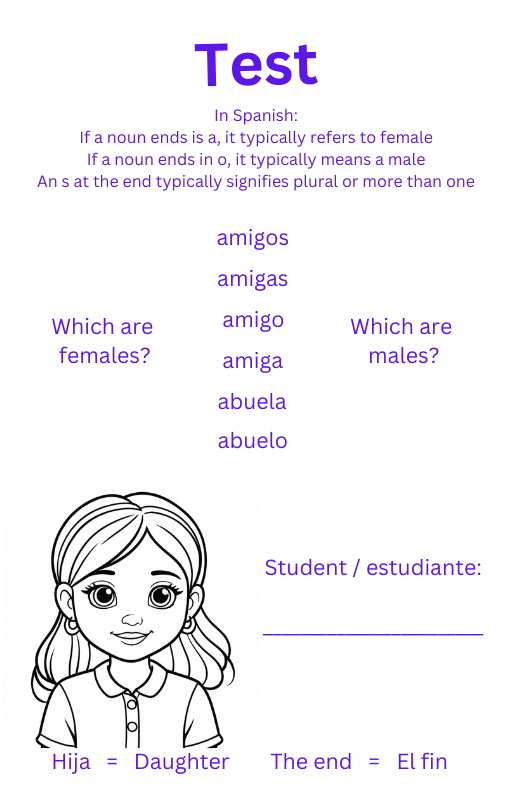
Below are the printable worksheets from my Rima y Ritmo class 1 ebook.

Print the printables, including the poem and read the lesson plan I linked above and using the poem and translation, work through these exercises. My children found them non easy.

Let me know if you need the answers.

Let me know if this helped and if you want to see more like this.

Would you benefit from video lessons?

With love,

Eve

Duolingo Language Learning: I use it for easy home education

Dear reader,

(Spanish learning/ teaching? Scrool to the end for my fun lesson)

It is true that I love language study and learning and I love Duolingo, even though I am not happy they do not have a level two once you finish you language course. I finished my Latin course and got bored, picked up 2 more languages…

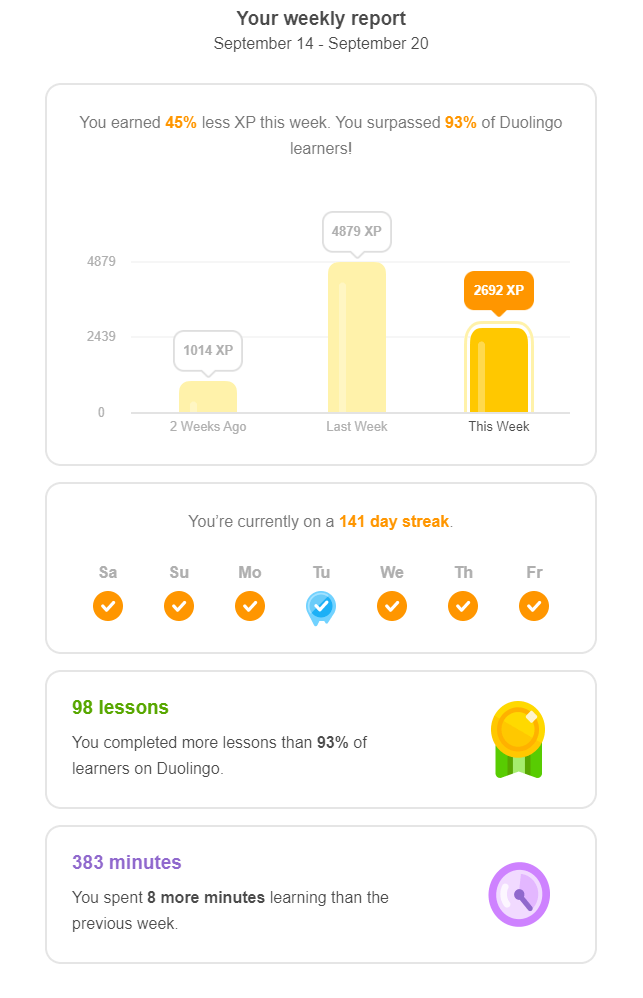
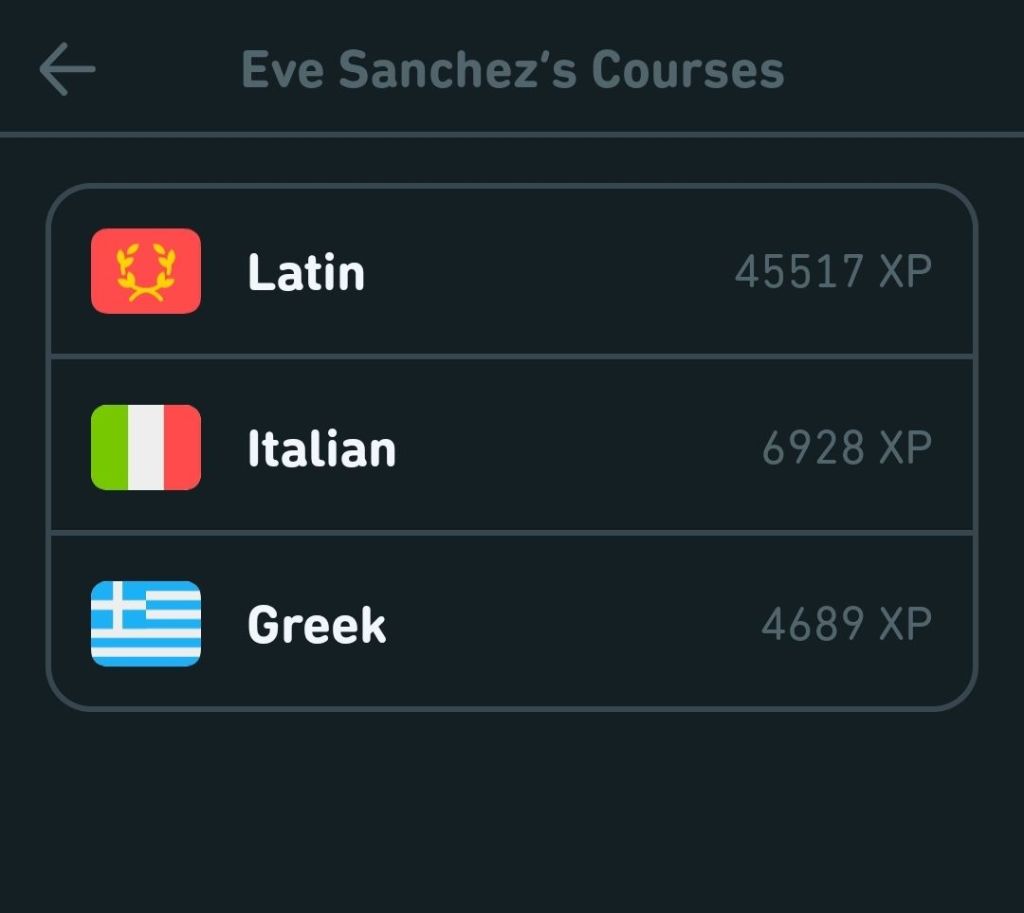
This is my Duolingo report this week:

I guess I have a need to prove I am a real person. Why?

With the modern trend of everything we find being AI, I do have a need to prove that I am a real person who really studies language and teaches her children.

Just today we did Halloween arts and crafts…

Anyway, let us connect on Duolingo if you use it, find me as Eve Sanchez.

Why Duolingo

screenshot_20240920_193751_duolingo1642364965774451837
I am currently trying to have more XP on Greek, also struggling with my Greek.

I do not need to learn a language, but I attempted to get my kids interested in Spanish, my first language, and they do not want to be told what to learn, they have their own opinions and ideas, which is really cute…

I joined Duolingo to inspire my kids to learn languages because they imitate anything I do: no pressure.

It worked because they started learning languages too. They are not organized and quit their own Duolingo, yet, Lilli does my Latin lessons at times, Vivi is learning the Greek alphabet with me, they have a Dinolingo Spanish course, Lilli took a Latin class, Lilli and I have Latin jokes, Alex does the Greek lessons with me and repeats the Greek words, Lilli and Vivi took Spanish classes: it worked, but my inspiration effort is ongoing.

Part of my effort is to have them observe my own learning, as well as to experience my learning methods which are varied and colorful, on top of that to expose them to different languages: music in Spanish and Italian; Italian, Latin, Greek words, phrases, and entire videos or podcasts being broadcasted in our house; and more.

And you,

Are you learning or teaching a language? Which? Do you have tips?

Do you listen to music in your target language?

Learning Spanish?

Check out my cool Spanish with poetry clas:

Purchase the class through this link which includes a children’s printable workbook, a test, and more:

https://payhip.com/b/NLMdU

But first, take the free lesson on this blog:

With love,

Eve

Modern Greek on Duolingo. Language practice

Dear Reader,

How lucky I would be if I found another modern Greek student!

If learning Spanish, consider my Rima y Ritmo (Rhyme and Rhythm) lesson, alternatively, find the free lesson plan on this blog:

https://evelovestar.etsy.com/listing/1780462505

If you are learning Greek (ancient or modern), please let me know! I study both at my own pace and need language buddies.

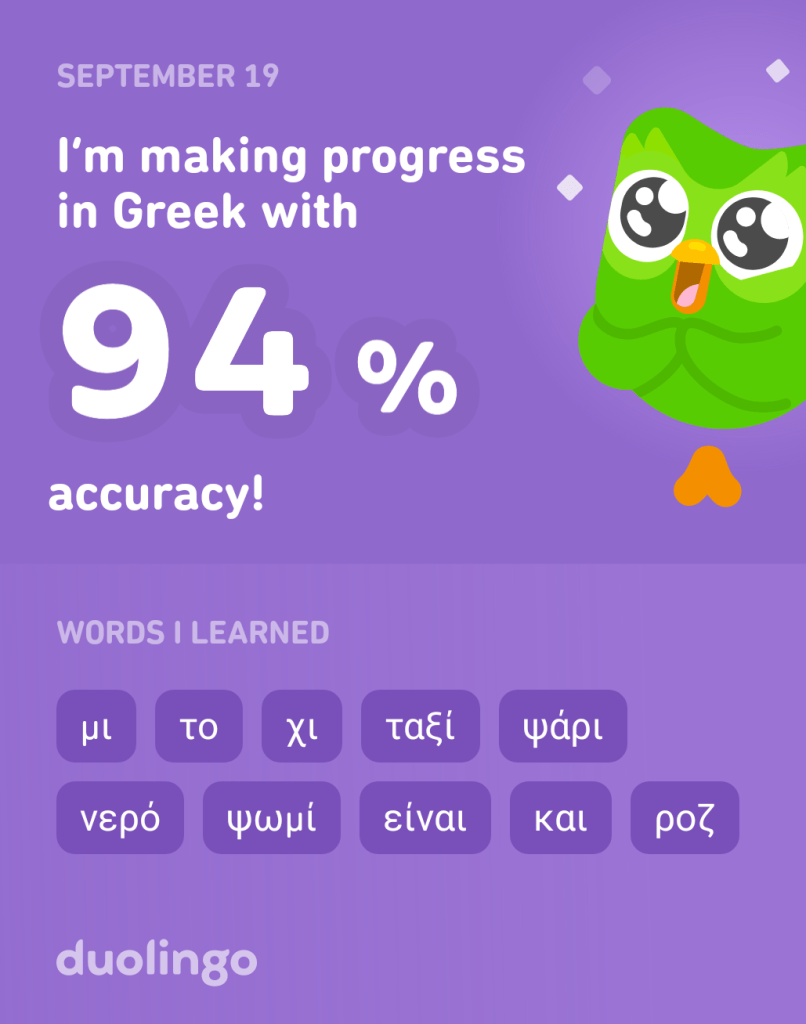
Below my most recent Duolingo Greek images. If you benefit from these or need any help with them, do not hesitate to ask.

If you love or are interested in Greek, follow this blog for future posts in both ancient and modern Greek.

Continue reading “Modern Greek on Duolingo. Language practice”