Our Etsy Shop – Poetry, Art, History, Worksheets

EveLovestar.etsy.com

Welcome to Our Homeschool Haven!

At our Etsy shop, you’ll find a treasure trove of creative, inspiring, and educational resources for homeschoolers of all ages! From activity pages for toddlers to captivating Ancient Greece printables, mandala coloring books with poetic twists, and even bilingual materials and Spanish lessons, we aim to make learning fun, engaging, and unforgettable.

For parents, we offer mindfulness and growth tools, with even more exciting resources to come.

But this is just the beginning! Our mission is to make poetry cool again and to inspire a lifelong love of learning.

Can’t purchase today? Don’t worry—we’ve got you covered with supplemental free content on this blog, videos, and a homeschool world domination plan (yes, really). Join us as we make education an adventure for the whole family!

Current Homeschool Offers

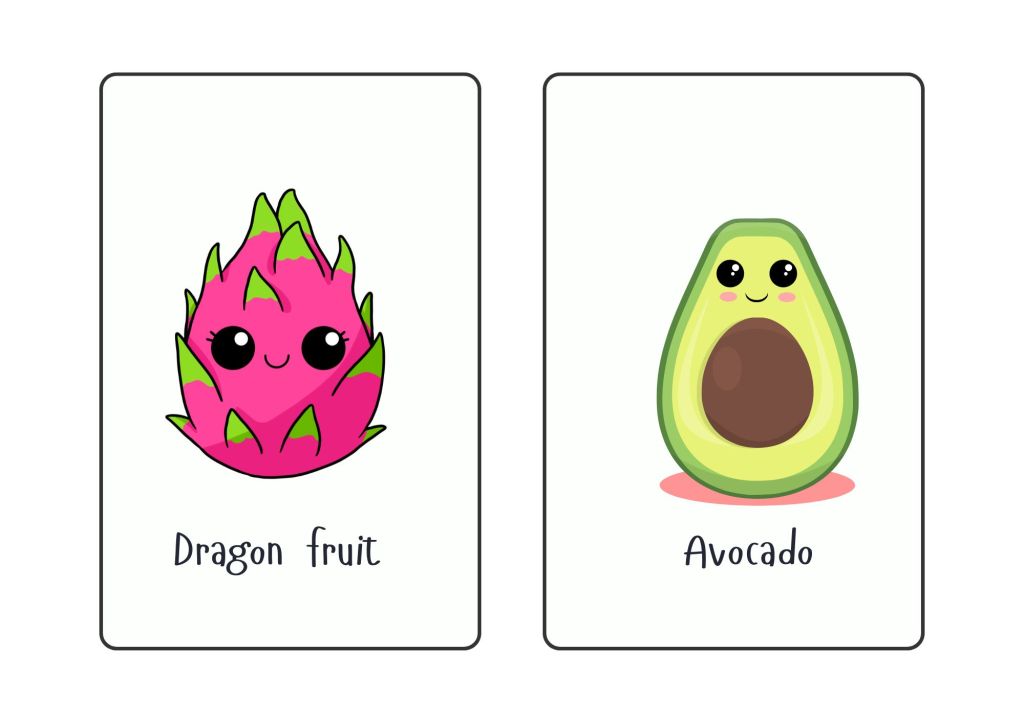
Let’s Learn with Fruit – Toddler Interactive Activities (2 – 5 year olds)

https://www.etsy.com/your/shops/me/listing-editor/edit/1829248086

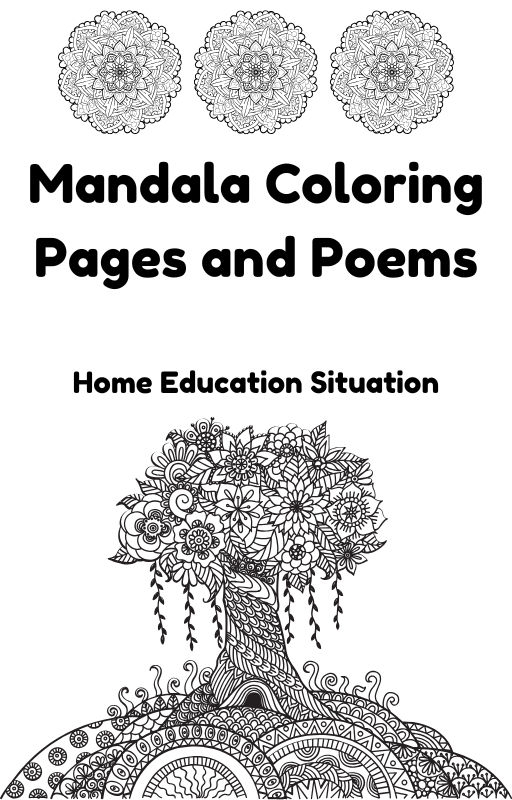
Mandala Coloring Pages with Poetry – (10 – 12 year olds)

https://www.etsy.com/your/shops/me/listing-editor/edit/1843441197

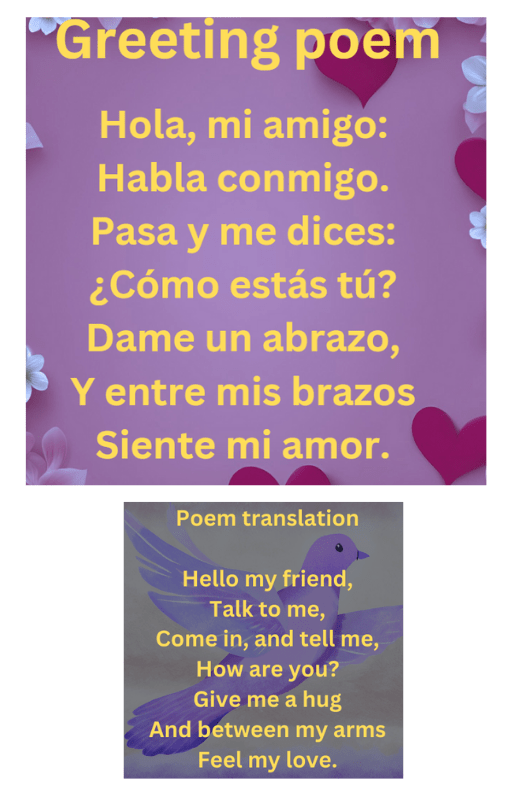
Spanish Class for Children with a Poem – Beginner

https://www.etsy.com/your/shops/me/listing-editor/edit/1780462505

Thank you for your support!

We have a full schedule for 2025 when we will be blogging and creating extensively. Follow us to not miss a thing.

Eve

The natural world in Home Education

Ideas to include the natural world as inspiraion or setting for learning. These are ideas for me, rather than things I already do.

1. Nature Journals

  • Activity: Encourage kids to observe their surroundings and document plants, animals, weather patterns, or seasonal changes in a nature journal.
  • Inspiration: Create sketches of plants, press flowers or leaves, and write descriptive passages or poetry based on what they observe.

2. Outdoor Reading Sessions

  • Activity: Set up a cozy outdoor reading nook where your kids can read books, poetry, or historical texts while surrounded by nature.
  • Inspiration: Choose nature-themed books, like Walden by Thoreau or poetry by Robert Frost, to enhance the connection between the environment and the lesson.

3. Eco-Art Projects

  • Activity: Collect natural materials (leaves, stones, twigs) to create art projects such as collages, sculptures, or land art.
  • Inspiration: Teach about land artists like Andy Goldsworthy, and let kids create their own nature-based installations.

4. Botanical Studies and Garden Projects

  • Activity: Study local plants or grow a homeschool garden, teaching kids about botany, plant life cycles, and sustainable gardening practices.
  • Inspiration: Let them grow herbs, fruits, or vegetables and document their growth. Connect lessons to ancient herbal practices or mythology related to plants (like Demeter’s story).

5. Nature-Inspired Poetry and Writing

  • Activity: Use the natural world to inspire creative writing or poetry. Have children write poems or short stories based on their outdoor experiences.
  • Inspiration: Use prompts such as “Describe the feeling of the wind,” “Write a poem from the perspective of a tree,” or “Tell a story about a day in the life of a bird.”

6. Science Experiments in Nature

  • Activity: Conduct outdoor science experiments, such as studying the water cycle with evaporation bowls, or testing soil pH levels in different parts of the yard.
  • Inspiration: Discuss the role of the elements in ancient philosophy or how natural processes were understood by early civilizations.

7. Forest School or Nature Walks

  • Activity: Take learning outside by exploring local forests, parks, or beaches. Use these environments to study ecosystems, geology, and wildlife.
  • Inspiration: Teach map reading, track animal footprints, or explore ancient pathways and relate them to historical events if possible.

8. Stargazing and Astronomy

  • Activity: Set up a stargazing night where children can learn about constellations, planets, and the movement of celestial bodies. I use a star tracker app and follow astronomical news to stay informed.
  • Inspiration: Connect the stars to mythology, teaching about ancient star-gazers and their interpretations of the cosmos (e.g., Greek myths behind constellations).

9. Outdoor Problem-Solving Challenges

  • Activity: Use nature to create puzzles or challenges. Build a simple outdoor shelter, use the sun to tell time, or create a natural scavenger hunt with clues that teach about local plants and animals.
  • Inspiration: Encourage teamwork by incorporating lessons from early survival techniques used by indigenous peoples or explorers.

10. Barefoot Earthing and Sensory Exploration

  • Activity: Have your children explore nature barefoot to connect with the earth through sensory experiences. Encourage them to describe the different textures and sensations of the ground, plants, and water.
  • Inspiration: Discuss the benefits of grounding and mindfulness practices. Pair it with a nature meditation session or reflective writing about how the earth feels beneath them.

11. Birdwatching and Wildlife Observation

  • Activity: Set up a birdwatching station or take field trips to observe animals in their natural habitats. Teach about local wildlife, animal behavior, and ecosystems. Set up a hummingbird feeding station. We feed the birds in our yard.
  • Inspiration: Encourage drawing or note-taking on bird species, and perhaps connect to the ancient Greek fascination with augury (bird-watching for omens).

12. Weather and Climate Studies

  • Activity: Teach about weather patterns and climate by observing cloud formations, measuring rainfall, or tracking temperature changes. Make it fun by having the kids draw the different weather patterns. We love to draw the sun.
  • Inspiration: Build a simple weather station, then discuss the importance of weather in historical events or mythology (like Zeus’s control over thunder and storms).

Nature offers endless opportunities for rich, multi-disciplinary learning! You can combine these lessons with mythology, literature, or philosophy for a holistic approach to your homeschool experience.

Other ideas:

  • Make a fairy garden
  • Start a rock collection
  • Volunteer at a farm
  • Decorate your yard
  • Paint rocks for the garden or a path
  • Start composting
  • Create a rock garden
  • Decorate for Halloween
  • Go camping
  • Make a vegetable soup ehile teaching the children about vegetables

Understanding Home Education: Exploring the Misconceptions and Realities

Dear reader,

I home educate my 5 children, and today I will expose some of the misconceptions and realities of homeschooling.

Home education, often referred to as homeschooling, is a practice that has gained considerable attention and popularity in recent years. While it offers flexibility and personalized learning experiences, it is also surrounded by numerous misconceptions that shape public perception. In this article, we delve into the intricacies of home education, shedding light on both the myths and the realities.

Misconception 1: Limited Socialization Opportunities

One of the most common misconceptions about home education is that it isolates children from their peers, leading to inadequate socialization. However, contrary to this belief, homeschooling allows for diverse social interactions. Families engage in community activities, co-ops, sports teams, and extracurricular classes, fostering meaningful relationships with peers of different ages and backgrounds.

Misconception 2: Lower Academic Standards

Critics often argue that homeschooling lacks rigorous academic standards compared to traditional schooling. Yet, many homeschooling families follow structured curricula aligned with national or state educational standards. Furthermore, the personalized nature of home education enables tailored approaches to learning, often resulting in academic achievements that surpass those of traditional school settings.

Misconception 3: Parental Qualifications and Time Commitment

There is a misconception that parents who homeschool must be highly educated or have teaching credentials. While some states or countries have specific requirements, many jurisdictions do not mandate formal qualifications for parents. Moreover, homeschooling families can leverage a variety of resources, including online courses and community support, to supplement their teaching efforts.

Reality 1: Customized Learning Experiences

One of the greatest strengths of home education lies in its ability to cater to the individual needs and interests of each child. Parents can adapt teaching methods and curriculum to accommodate different learning styles, allowing students to progress at their own pace and explore subjects in depth.

Reality 2: Flexibility in Scheduling and Curriculum

Unlike traditional schooling, homeschooling offers flexibility in scheduling. Families can structure their days to optimize learning based on individual rhythms and interests. Furthermore, they have the freedom to choose curricula that align with their educational goals, religious beliefs, or philosophical convictions.

Reality 3: Positive Outcomes and Success Stories

Research indicates that homeschooled students often excel academically and socially. They typically perform above average on standardized tests and exhibit high levels of self-esteem and motivation. Many colleges and universities actively recruit homeschool graduates for their diverse backgrounds and strong academic preparation.

Conclusion

In conclusion, home education is a viable educational alternative that continues to grow in popularity worldwide. While misconceptions persist regarding socialization, academic standards, and parental qualifications, the reality reveals a dynamic and enriching educational experience. By understanding and appreciating the complexities of homeschooling, we can foster informed discussions and support for families who choose this path for their children’s education.

Through ongoing research and dialogue, we can continue to explore ways to enhance educational options and outcomes for all students, whether they learn in traditional classrooms or at home.

Is home education something that interests you?

Do you or have you home educated?