Free Worksheets and Blog Update

Dear reader,

Thank you for being here.

Today, I want to update you on what is new with this blog.

The update is a deepening of our homeschooling practice. We are becoming more serious and organized.

New on the blog

  1. I have added my best learning exercises (most time consuming and planned) To Payhip for sale. Do not worry, I will continue to share here for free https://payhip.com/b/NLMdU
  2. I have been sharing Spanish poetry, nothing to fear, that is for educational purposes and language learning is a favorite thing for me. I also share Latin, Italian, and Greek content (languages I am learning). Spanish is a language I can teach. Chek out my Spanish class with poetry both on Etsy and this blog
  3. Creation on worksheets on Canva, Tip! it is easy if you have digital design skills. Homeschooling parents and teachers should be on Canva
  4. I have been writing many more Spanish poems, some for children, I will also use them for education as soon as I catalogue them by level of difficulty and create a lesson, which takes months, by the way

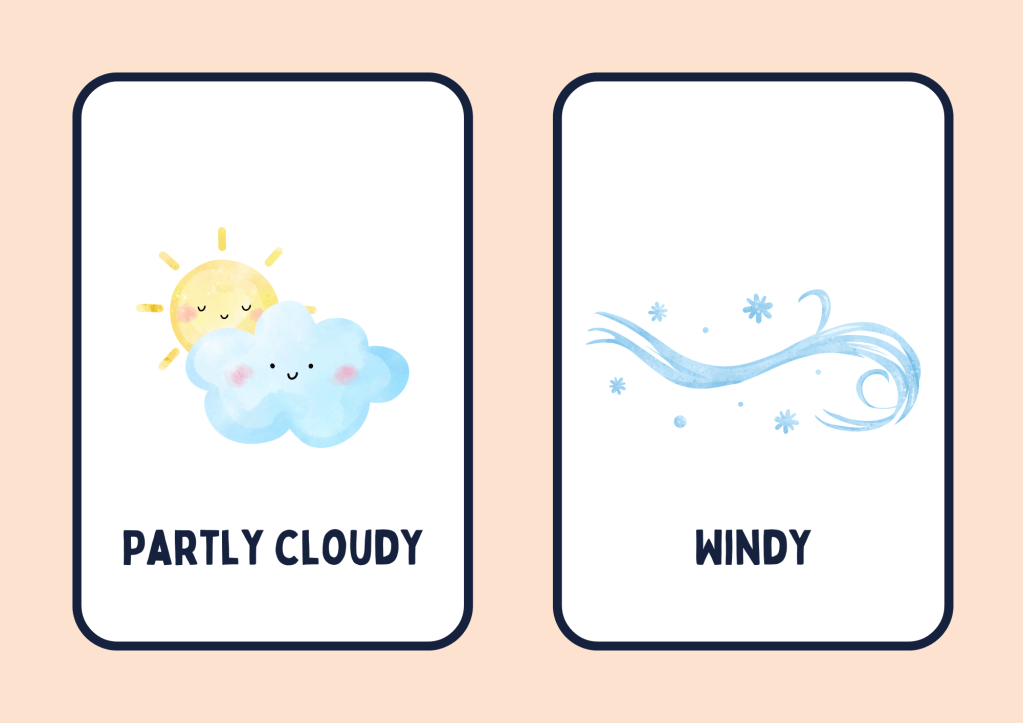
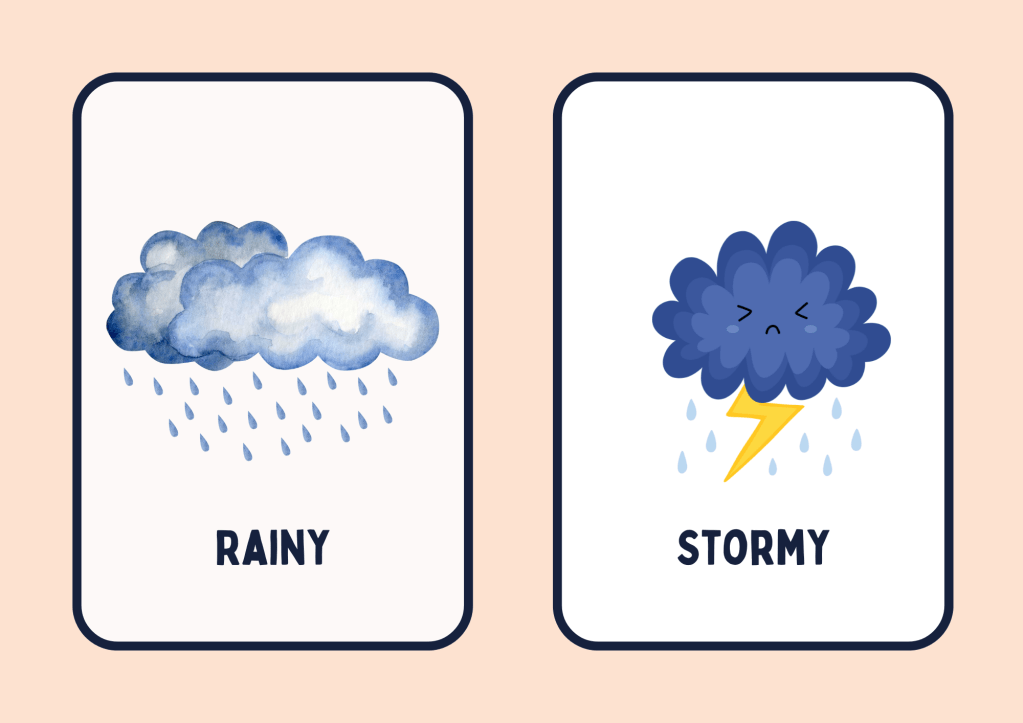
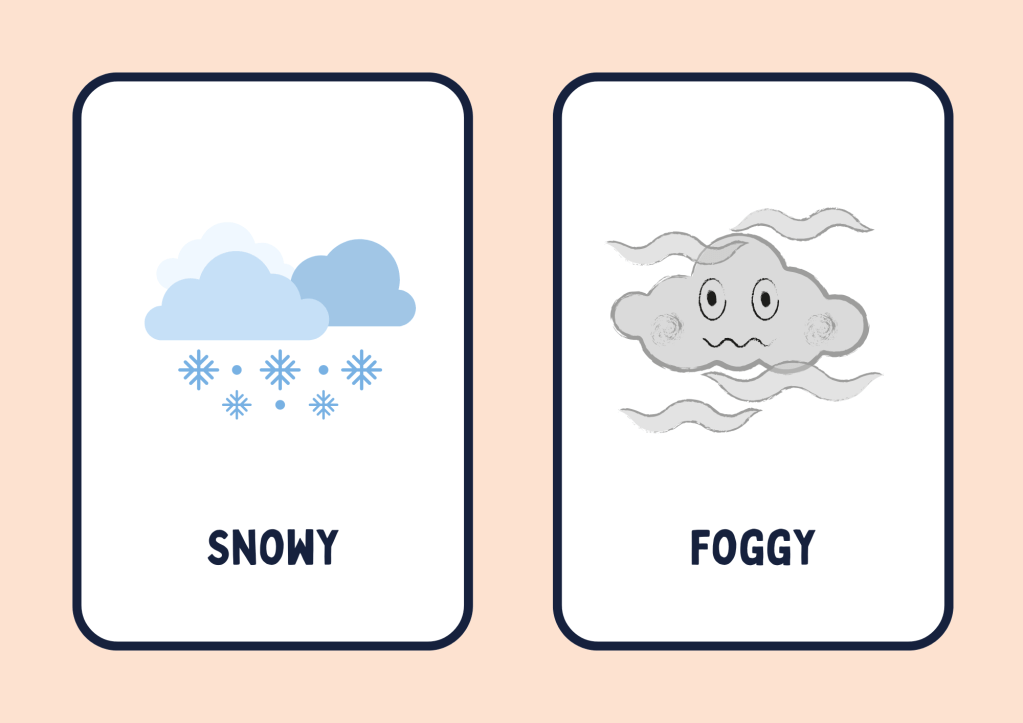
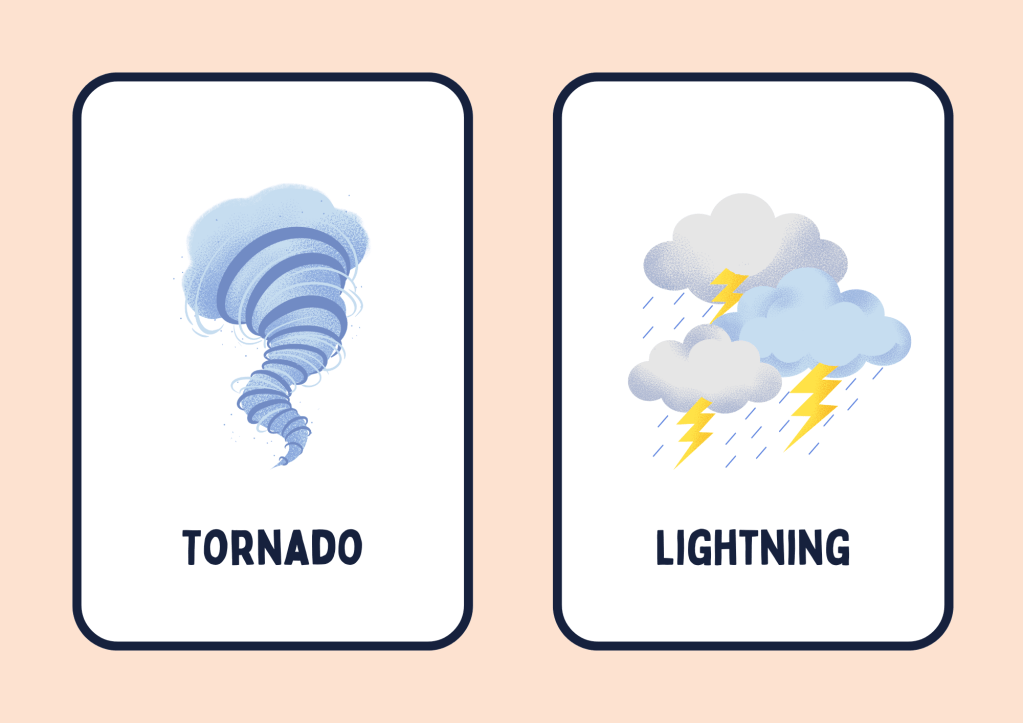
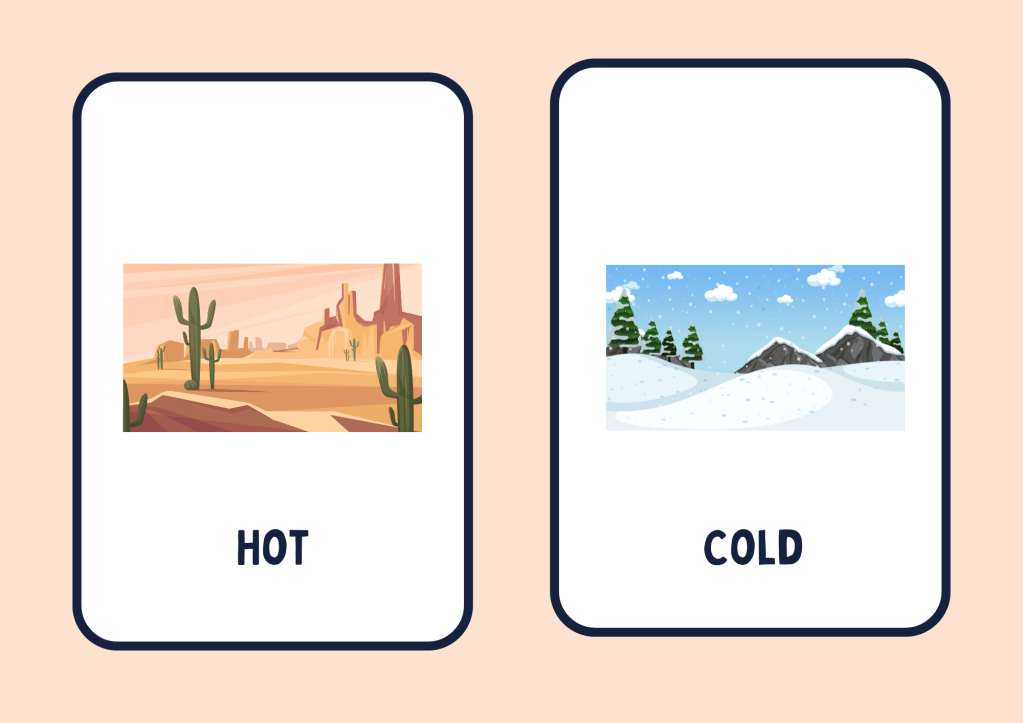
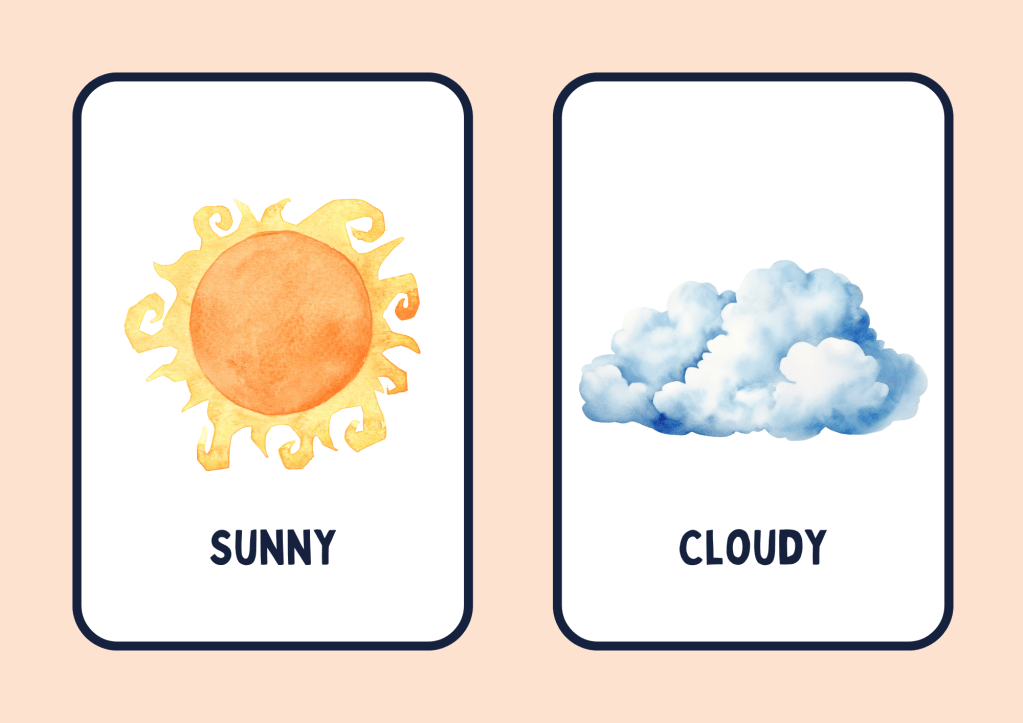
Weather Card Printables for toddlers
Learning Materials

Please comment and let me know if any of these topics are relevant for you and what would you benefit from?

Eve
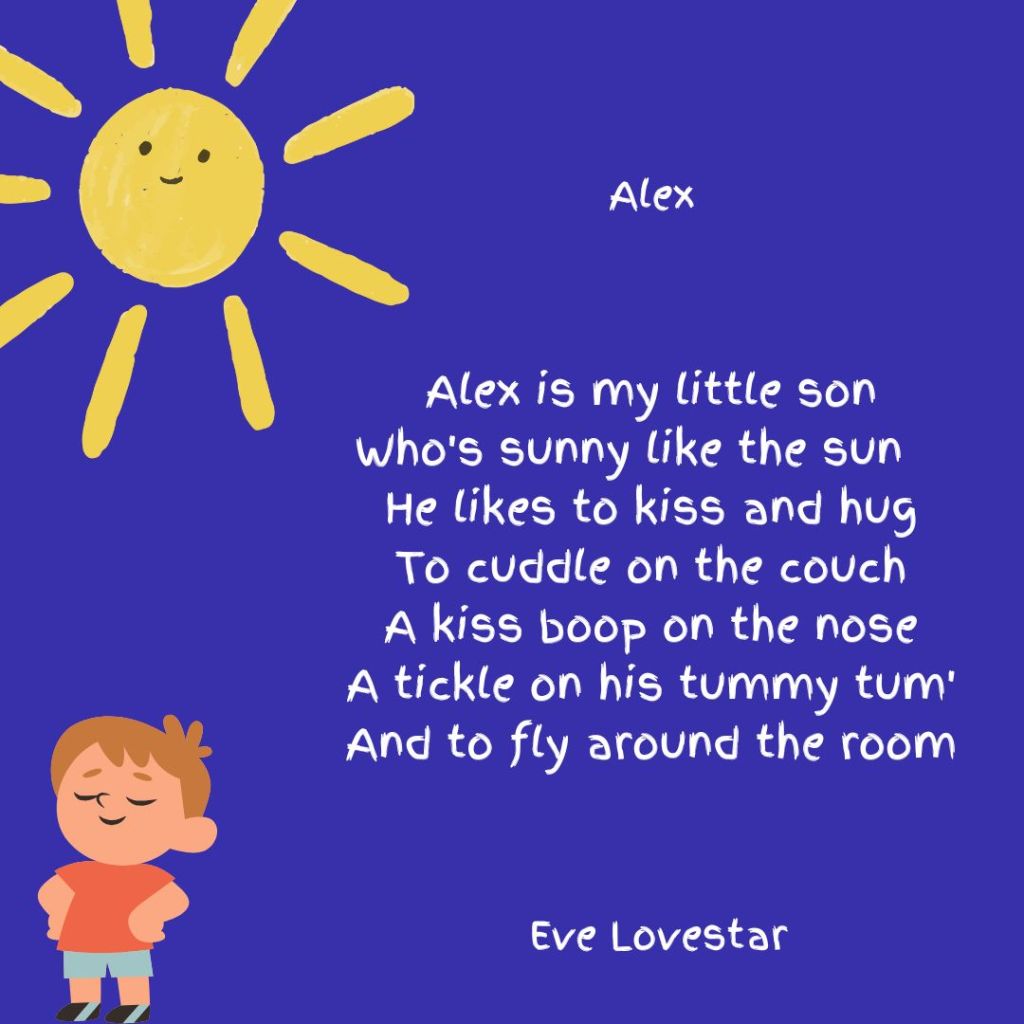
Alex – Children poetry created with the kids for homeschooling

It is fun, they help design, they practice rhyming, vocabulary, reading, they feel proud during and afterwards. There are so many benefits of writing or using poetry in homeschool.

Return for many more children’s poems and so much more inspirational and creative material to inspire and assist in your homeschool.

Eve

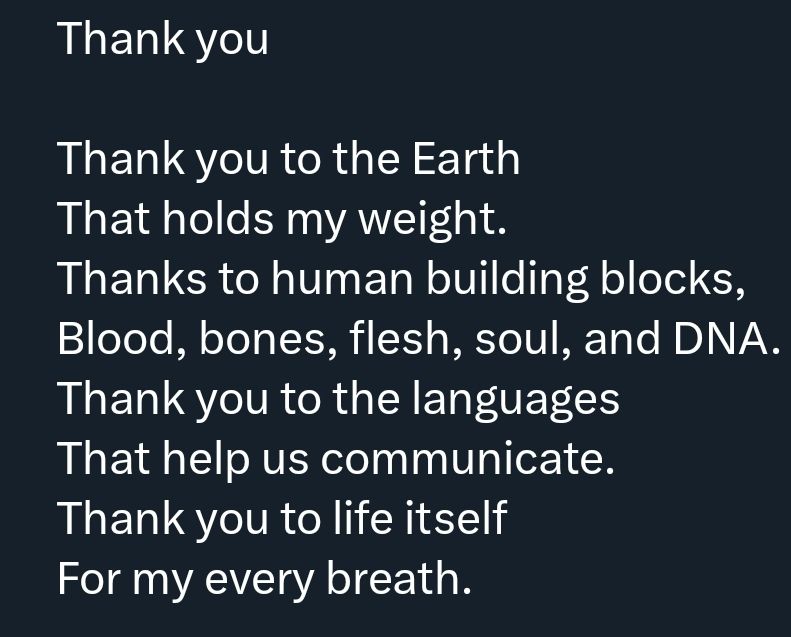
Thanksgiving Gratitude Challenge Poem – Video

Written by Eve
Thanksgiving poetry reading by Eve on the girls’ YouTube channel.

This Thanksgiving poem, along with other poems and a video, are coming very soon.

Christmas Challenge coming next consisting of one poem a day. I already wrote with my daughters more than 20, and we are also designing free e-cards to share.

Many of the Christmas poems are already scheduled.

I am using these poems for homeschooling purposes, and we will talk about Lilli and Lizzie’s poetry and songwriting efforts soon.

Until the next Thanksgiving post,

Eve

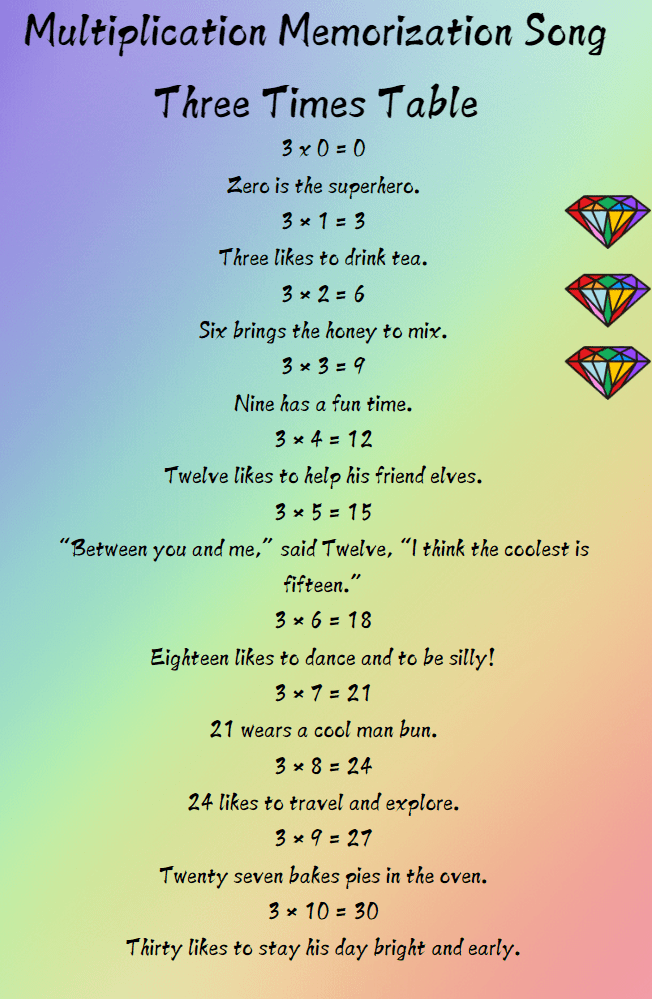
Multiplication Memorization Song Three Times Table

We created a cute and fun song our of our two times memorization poem which is on our YouTube channel.

And here is the Three times son.

Note for Parents and Teachers:
Rhymes like these make learning math fun and memorable! When numbers become characters and stories, children connect with them on a deeper level. Encourage your little learners to recite the rhymes, act them out, or add their own verses to keep the learning playful and interactive. Math can be magical!

Additionally, sing it, or follow our songs and dance to them.

Rhymes by Lizzie, Lilli, Eve

Multiplication Rhymes: The Three Times Table

Three times zero equals zero
Zero is the superhero.

Three times one equals three
Three likes to drink tea.

Three times two equals six
Six brings the honey to mix.

Three times three equals nine
Nine has a fun time.

Three times four equals twelve
Twelve likes to help his friend elves.

Three times five equals fifteen
“Between you and me,” said Twelve,
“I think the coolest is Fifteen.”

Three times six equals eighteen
Eighteen likes to dance and to be silly!

Three times seven equals twenty-one
Twenty-one wears a cool man bun.

Three times eight equals twenty-four
Twenty-four likes to travel and explore.

Three times nine equals twenty-seven
Twenty-seven bakes pies in the oven.

Three times ten equals thirty
Thirty likes to start his day bright and early.

Follow for the next poem/ songs.

I am putting these in a document as well and we will create videos about it.

This practice has already helped my kids memorize some multiplication. The asked for more.

Also coming up: Children’s poetry.

Eve

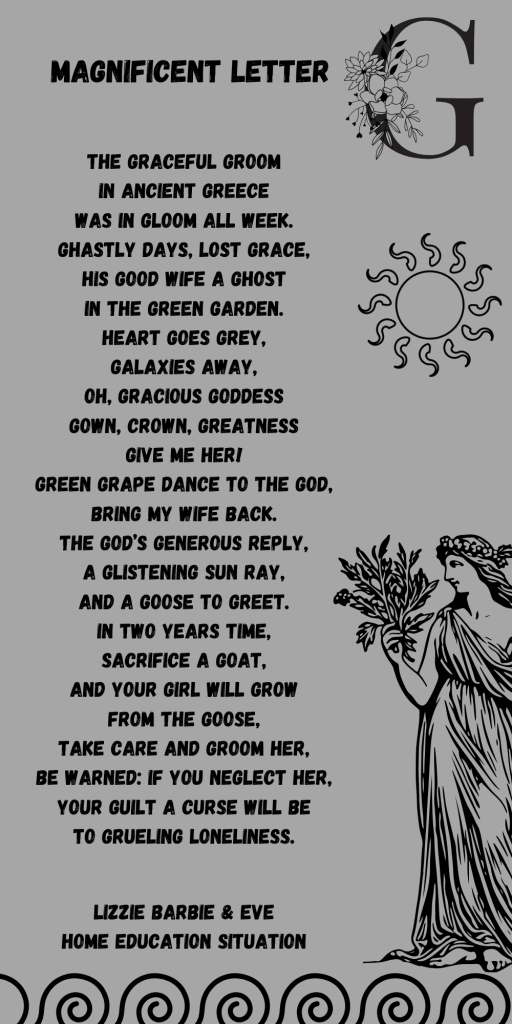
Magnificent Letter G: handwriting practice with poetry.

Dear reader,

Lizzie does not want to learn cursive. I listen.

But she came to me and requested help.with her letter g, lowercase.

She collaborated with me to create this G poem and practiced until we loved her letter g.

The graceful groom
In Ancient Greece
Was in gloom all week:
Ghastly days, lost grace,
His good wife, a ghost,
In the green garden.
Heart goes grey,
Galaxies away,
Gracious goddess:
Gown, crown, greatness.
Green grape dance to the god,
Bring my wife back.
The god’s generous reply,
A glistening sun ray,
And a goose to greet.
In two years time,
Sacrifice a goat,
And your girl will grow
From the goose,
Take care and groom her
Be warned: if you neglect her,
Your guilt a curse will be
To grueling loneliness.

End of story by Lizzie

The groom agrees, he will not neglect the Goose. Two years pass slowly, the groom Has been taking good care of the goose, the Groom brings the goat to the altar, and Prays, Grape god returns, Two years have Passed, Your wish shall be granted, goose Into wife, I command. The groom reunited, He is happy again with his wife. This story Ends with a happy ending.

Lizzie practiced her letter g handwriting by writing the poem on a paper and her creative writing by creating this poem with me as well as writing the ending all by herself.

©evelovestar

Exploring poetry as a tool for language learning. Part 2

Dear reader,

I currently use poetry as a tool for my language study, and I feel it’s the most fascinating way to study a new language. Let me tell you about my strategy.

My language study

I took to Duolingo for language learning and quickly realized that I needed more input. I chose Latin and quickly started watching YouTube videos about it, and (this is strange, but I felt it was a sign from the universe) I realized what I’d be doing with my Latin learning on my second day of learning it.

I immediately recognized that poets were huge in Ancient Rome, and of course, I should have already known that, as a poet…

The message I received from the universe was that I was going to read and translate the ancient Roman poetry (I did already translate one).

Then, I decided to learn the Ancient Greek alphabet and found gorgeous Greek romantic poetry, which I’m already working on just for fun. It is extremely complex, which makes everything else seem easy.

Then, I started following poets on Twitter and followed an Italian guy. I interacted with the guy, and he shared an Italian poem with me, so I have a soft goal of learning Italian. I am taking an Italian course and doing well as a total newbie.

So, me, a poet… learning languages with poetry is simply natural.

However, I believe it’s the most fun way to practice, which is why I want to tell you all about it.

Tips to use poetry for language study from a poet

  1. Start with Simple Poems: Begin with shorter poems or poems with straightforward language. This helps in understanding basic poetic structures and building confidence.
  2. If you don’t already read poetry: start with poetry in your language. Then, move on to bilingual poetry.
  3. Focus on Themes of Interest: Choose poems that resonate with your personal interests or topics you are passionate about. This makes the learning process more enjoyable and meaningful.
  4. Read Aloud and Listen: Poetry is meant to be heard. Read poems aloud to practice pronunciation, intonation, and rhythm. Listening to recordings of native speakers reciting poems helps in understanding cultural nuances and natural cadence.
  5. Analyze and Discuss: Break down poems line by line to grasp their meaning, themes, and literary devices. Discuss interpretations with language partners or teachers to gain different perspectives.
  6. Write Your Own Poems: Use the language you’re learning to compose your own poems. This reinforces vocabulary, grammar, and creativity while allowing for personal expression. Writing your own poetry has the potential to lift your spirits, help you grow, and increase your self steem! 🙏
  7. Explore Different Poetic Forms: Experiment with various forms like haikus, sonnets, or free verse. Each form challenges different aspects of language skills and encourages exploration of cultural differences in poetic expression.
  8. Use Poetry Collections and Anthologies: Explore collections of poems from different cultures and time periods. This broadens exposure to diverse linguistic styles and historical contexts. Note: When you’re advanced, read the very old poetry.
  9. Integrate Technology: Utilize language learning apps, online forums, and social media to share and discuss poetry with native speakers and other learners worldwide.
  10. Attend Poetry Readings and Events: Immerse yourself in the local poetry scene or attend virtual poetry readings. This provides exposure to authentic language use and cultural insights.
  11. Be Patient and Persistent: Learning through poetry requires patience and persistence. Embrace challenges as opportunities for growth and celebrate progress along the way.

By incorporating these tips into your language learning journey, you can effectively harness the power of poetry to enhance your linguistic proficiency and deepen your appreciation for the beauty of language and literature.

Learning Spanish?

Consider my Spanish class:

https://payhip.com/b/NLMdU

Thank you for reading,

Eve