

Get the book through this link
https://www.etsy.com/your/shops/me/listing-editor/copy/1843441197
Or I will share 3 more pages with you in January.
Eve
FUN AND LEARNING INTERSECT
Get the book through this link
https://www.etsy.com/your/shops/me/listing-editor/copy/1843441197
Or I will share 3 more pages with you in January.
Eve
Dear Reader,
The free Spanish lesson plan is on this blog through this link:
Purchase the ebook through this link:
https://payhip.com/b/NLMdU: Learn Spanish: Rima y Ritmo: Greeting Poem Printables and test for children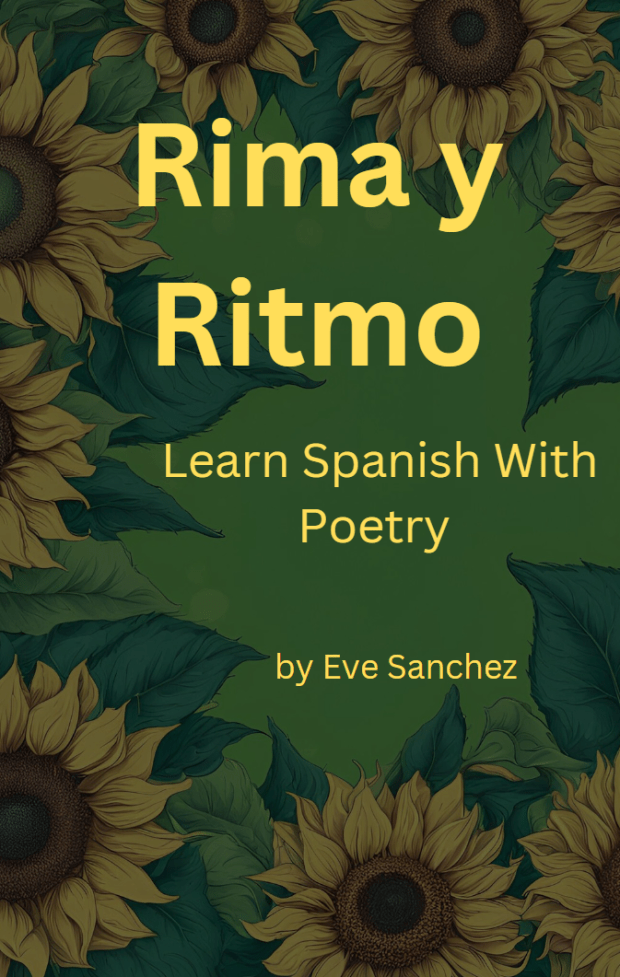
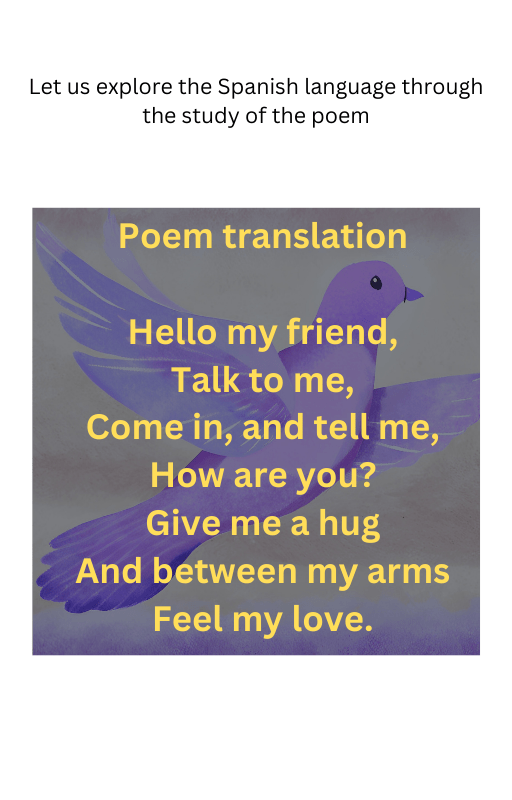
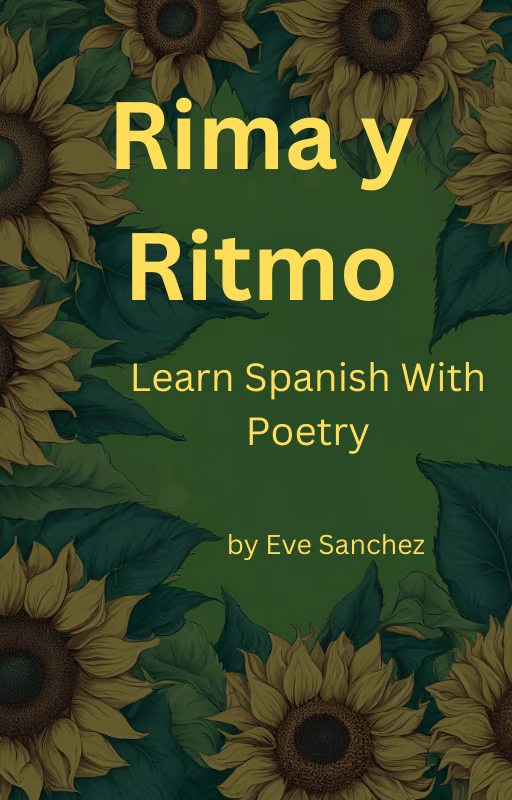
Rima y Ritmo is my cool Spanish class where I use poetry to teach my kids my native language. I already taught this lesson to my children, and they loved it. I am currently designing lesson 2: the poem is about a butterfly.
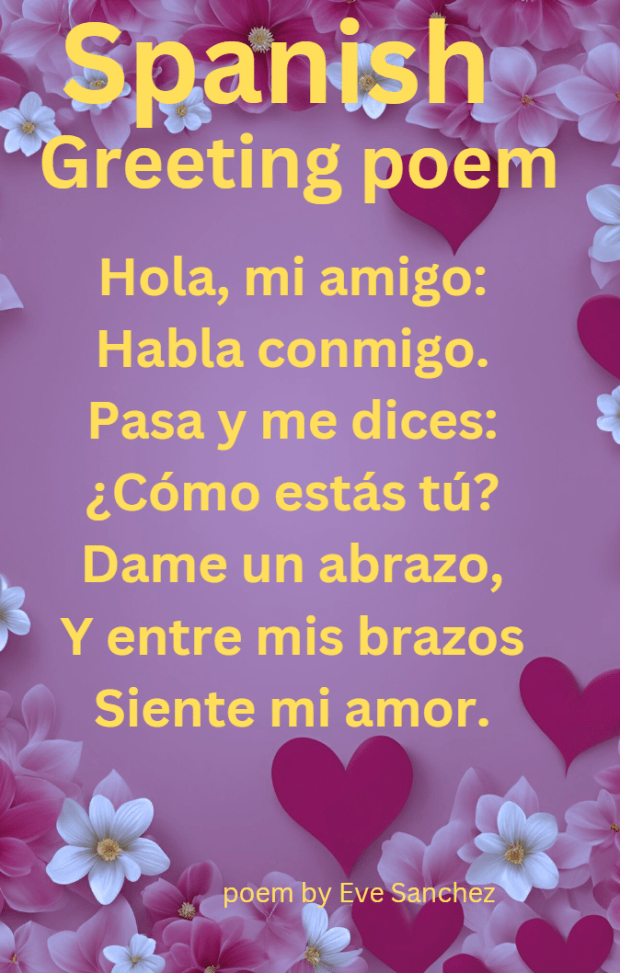
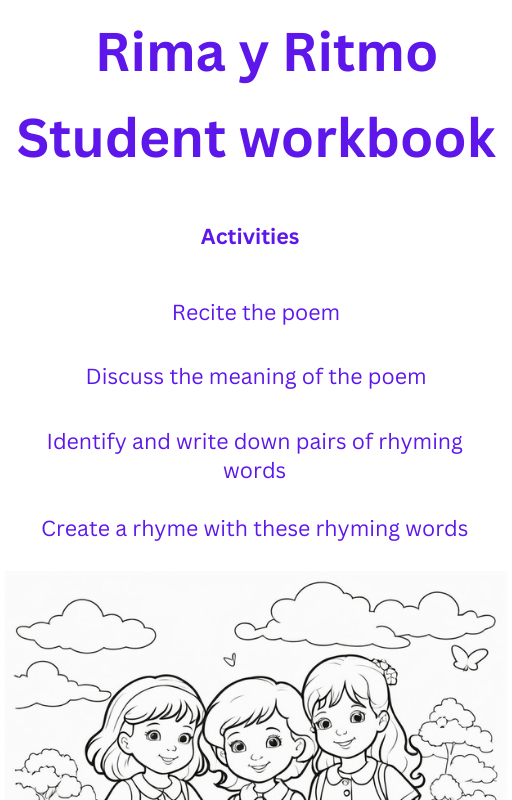
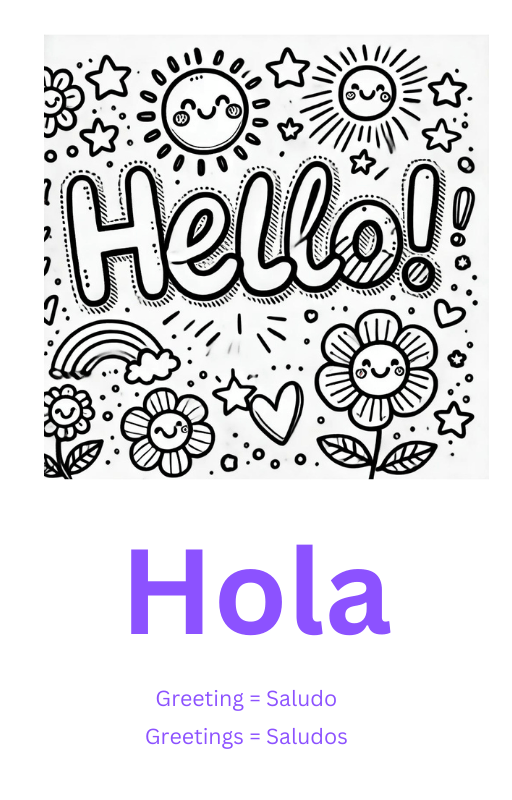
Below are the printable worksheets from my Rima y Ritmo class 1 ebook.
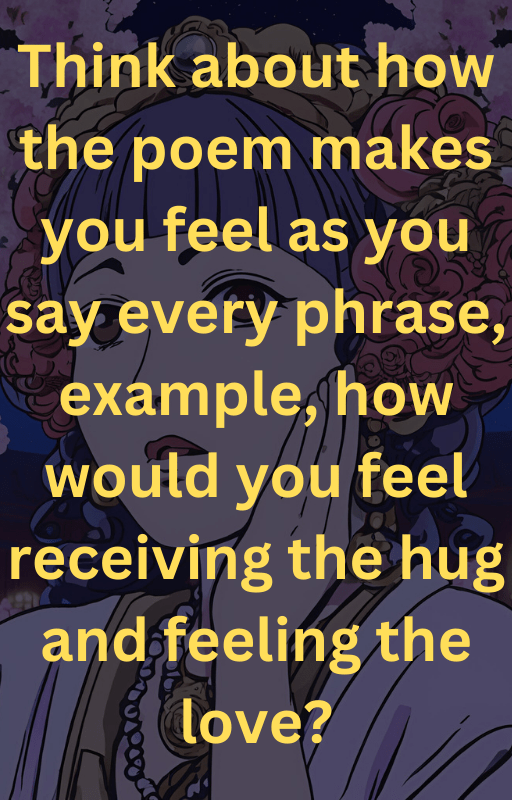
Print the printables, including the poem and read the lesson plan I linked above and using the poem and translation, work through these exercises. My children found them non easy.
Let me know if you need the answers.
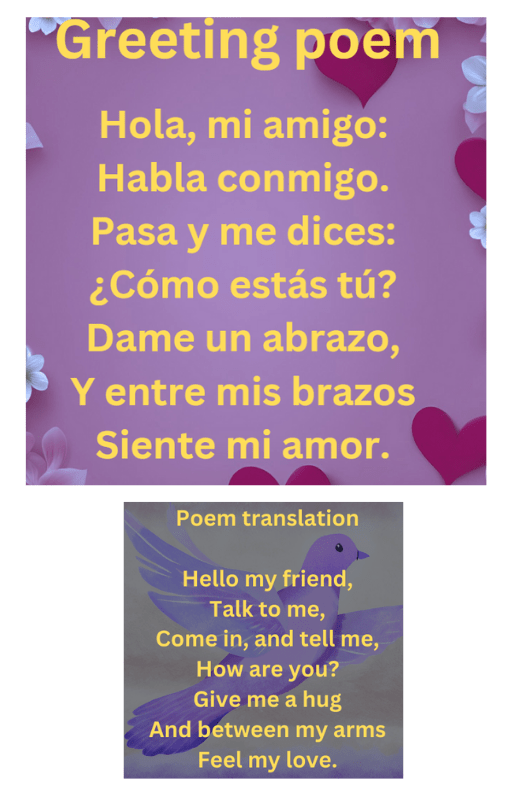

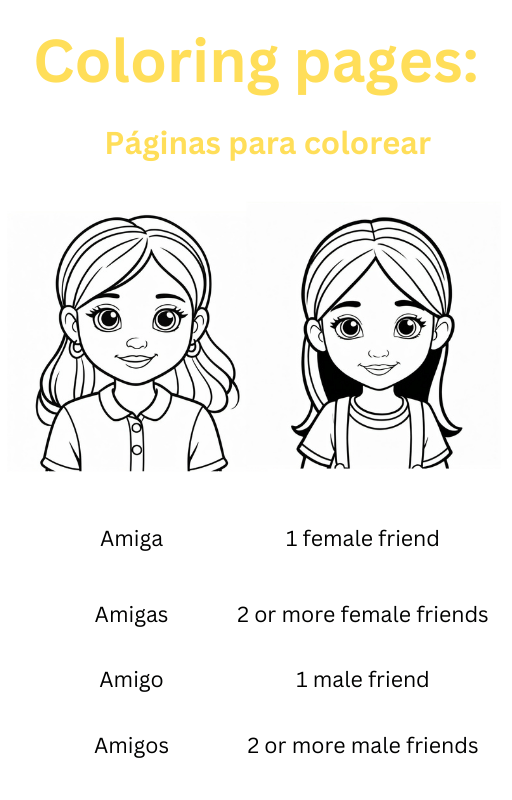
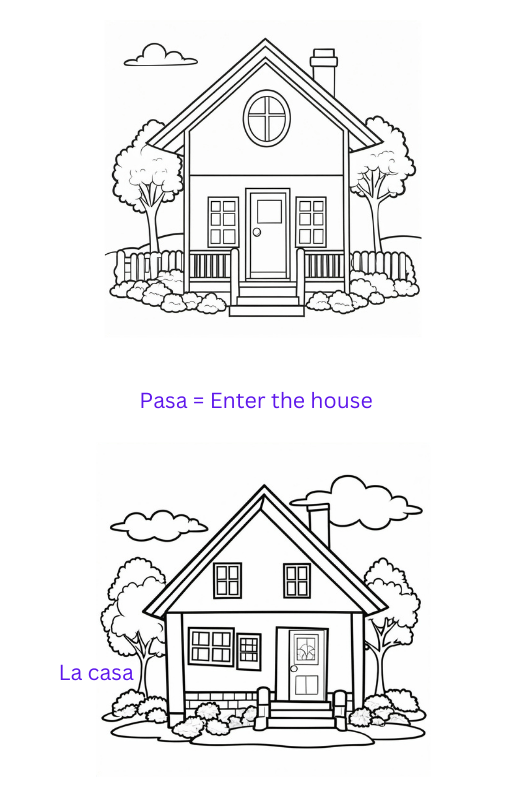

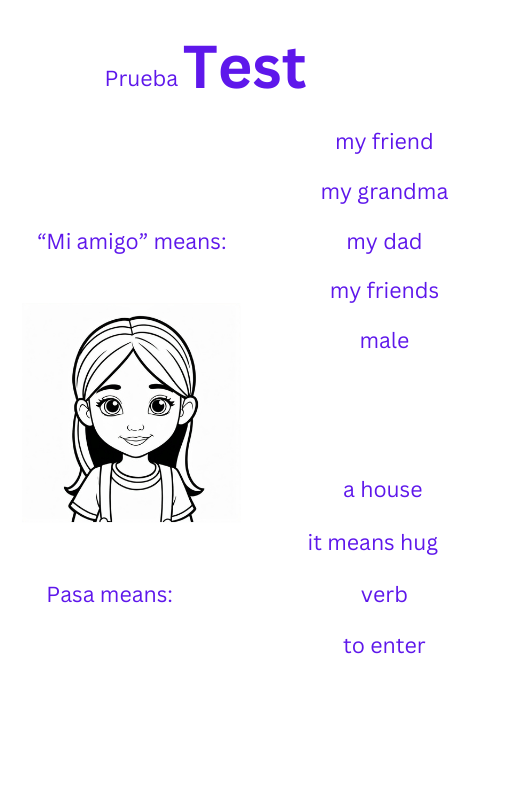
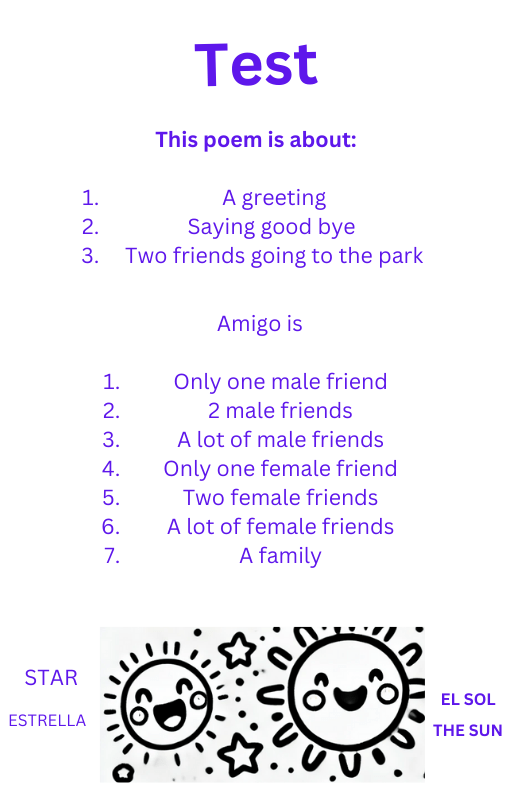
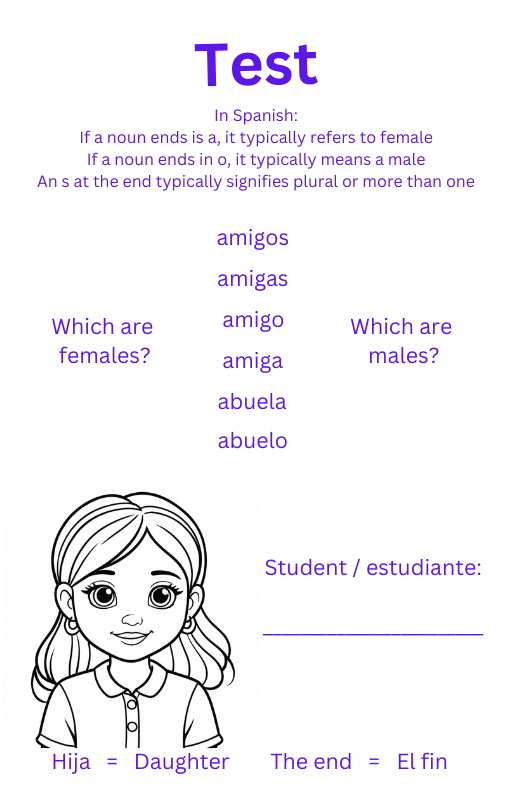
Let me know if this helped and if you want to see more like this.
Would you benefit from video lessons?
With love,
Eve
Dear reader,
I currently use poetry as a tool for my language study, and I feel it’s the most fascinating way to study a new language. Let me tell you about my strategy.
I took to Duolingo for language learning and quickly realized that I needed more input. I chose Latin and quickly started watching YouTube videos about it, and (this is strange, but I felt it was a sign from the universe) I realized what I’d be doing with my Latin learning on my second day of learning it.
I immediately recognized that poets were huge in Ancient Rome, and of course, I should have already known that, as a poet…
The message I received from the universe was that I was going to read and translate the ancient Roman poetry (I did already translate one).
Then, I decided to learn the Ancient Greek alphabet and found gorgeous Greek romantic poetry, which I’m already working on just for fun. It is extremely complex, which makes everything else seem easy.
Then, I started following poets on Twitter and followed an Italian guy. I interacted with the guy, and he shared an Italian poem with me, so I have a soft goal of learning Italian. I am taking an Italian course and doing well as a total newbie.
So, me, a poet… learning languages with poetry is simply natural.
However, I believe it’s the most fun way to practice, which is why I want to tell you all about it.
By incorporating these tips into your language learning journey, you can effectively harness the power of poetry to enhance your linguistic proficiency and deepen your appreciation for the beauty of language and literature.
Consider my Spanish class:
Thank you for reading,
Eve

You must be logged in to post a comment.