https://x.com/EveLovestar/status/1860780633280090200?t=CrpMcO3O3EMl4ua9qjiYzw&s=09
Tag Archives: poetry
Multiplication Memorization Song Three Times Table
We created a cute and fun song our of our two times memorization poem which is on our YouTube channel.
And here is the Three times son.
Note for Parents and Teachers:
Rhymes like these make learning math fun and memorable! When numbers become characters and stories, children connect with them on a deeper level. Encourage your little learners to recite the rhymes, act them out, or add their own verses to keep the learning playful and interactive. Math can be magical!
Additionally, sing it, or follow our songs and dance to them.
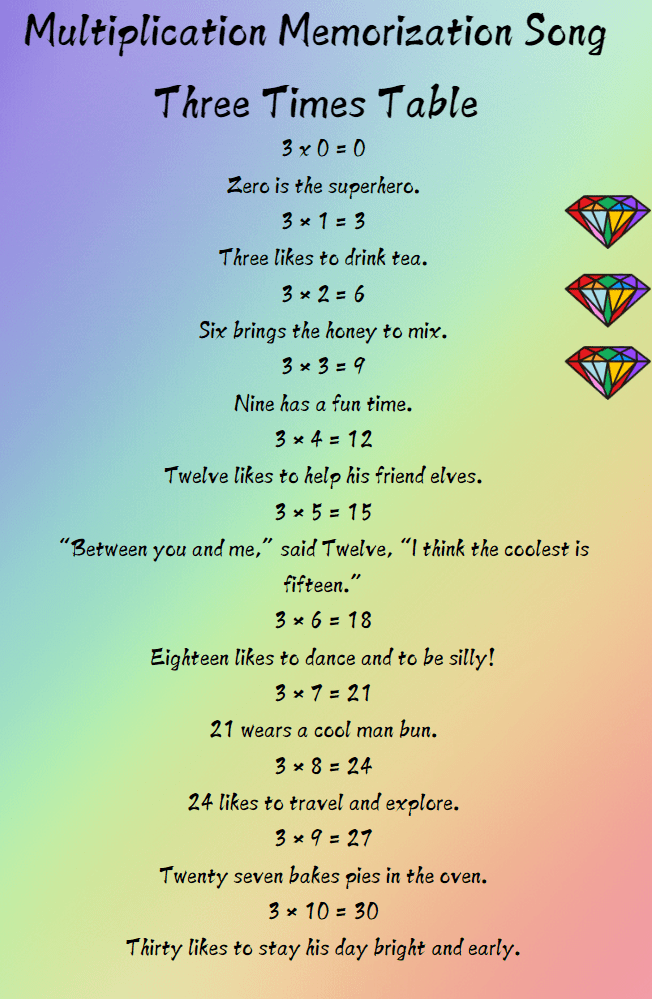
Multiplication Rhymes: The Three Times Table
Three times zero equals zero
Zero is the superhero.
Three times one equals three
Three likes to drink tea.
Three times two equals six
Six brings the honey to mix.
Three times three equals nine
Nine has a fun time.
Three times four equals twelve
Twelve likes to help his friend elves.
Three times five equals fifteen
“Between you and me,” said Twelve,
“I think the coolest is Fifteen.”
Three times six equals eighteen
Eighteen likes to dance and to be silly!
Three times seven equals twenty-one
Twenty-one wears a cool man bun.
Three times eight equals twenty-four
Twenty-four likes to travel and explore.
Three times nine equals twenty-seven
Twenty-seven bakes pies in the oven.
Three times ten equals thirty
Thirty likes to start his day bright and early.
Follow for the next poem/ songs.
I am putting these in a document as well and we will create videos about it.
This practice has already helped my kids memorize some multiplication. The asked for more.
Also coming up: Children’s poetry.
Eve
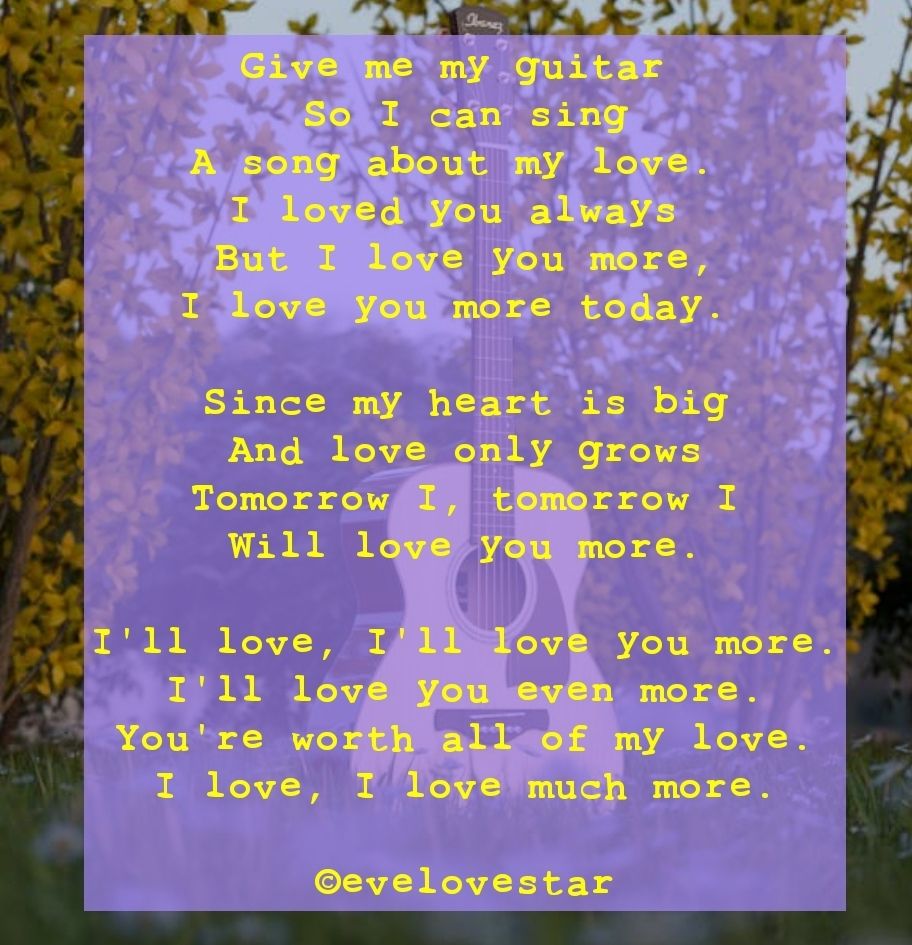
Songwriting: Give me my guitar
Dear reader,
This is a cool song I wrote many years ago.
I have a very old video singing it. I will not show you because it was too awful.
But, I created the lyrics for the song in a better way today.
I am looking for singers or musicians to sing this or any of my other songs. Just ask and I will allow you to.
Lilli is creating a Pandacorn (my newest song) animation right now which is simply adorable.
With love,
Eve
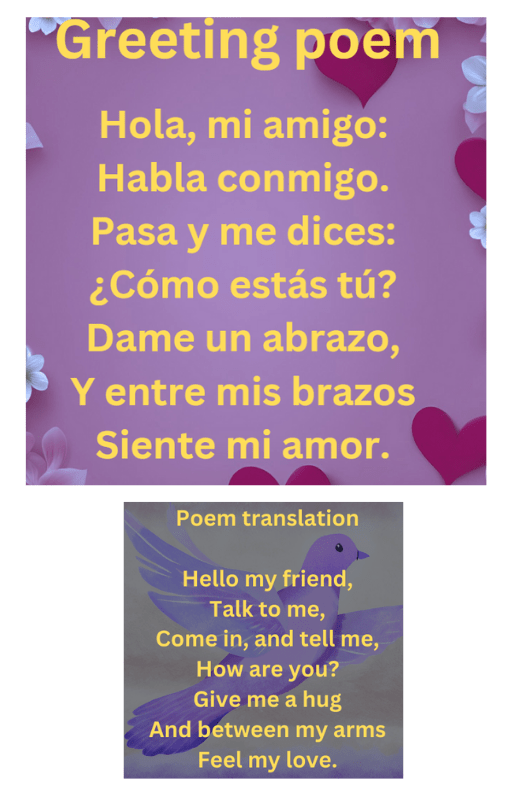
Learn Spanish: Rima y Ritmo: Greeting Poem Printables and test for children
Dear Reader,
The free Spanish lesson plan is on this blog through this link:
Purchase the ebook through this link:
https://payhip.com/b/NLMdU: Learn Spanish: Rima y Ritmo: Greeting Poem Printables and test for children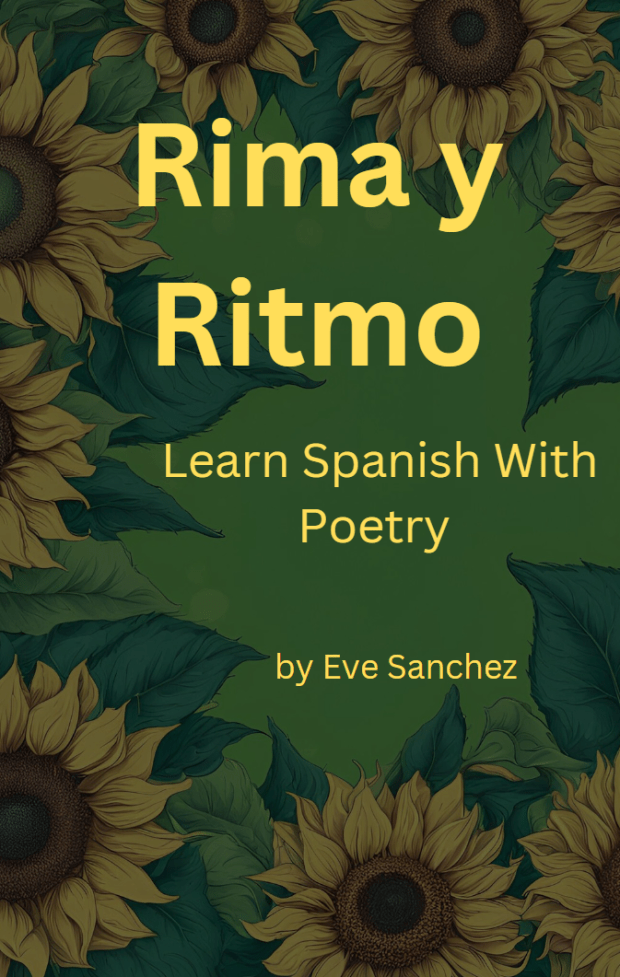
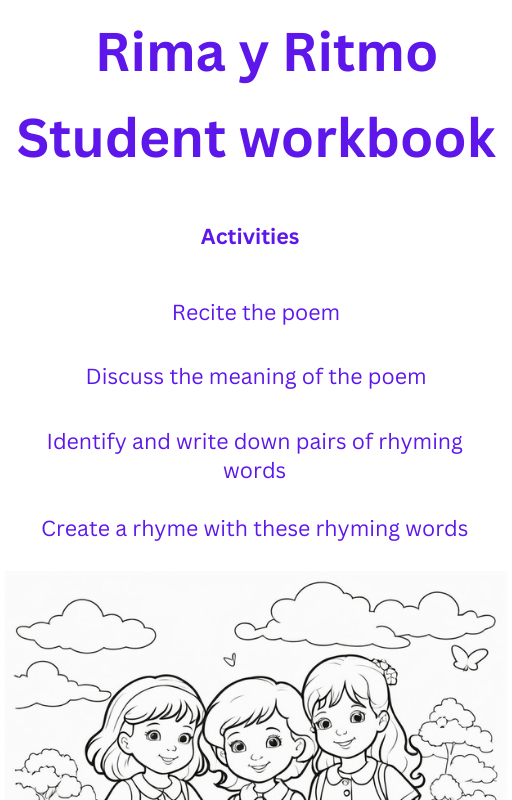
Rima y Ritmo is my cool Spanish class where I use poetry to teach my kids my native language. I already taught this lesson to my children, and they loved it. I am currently designing lesson 2: the poem is about a butterfly.
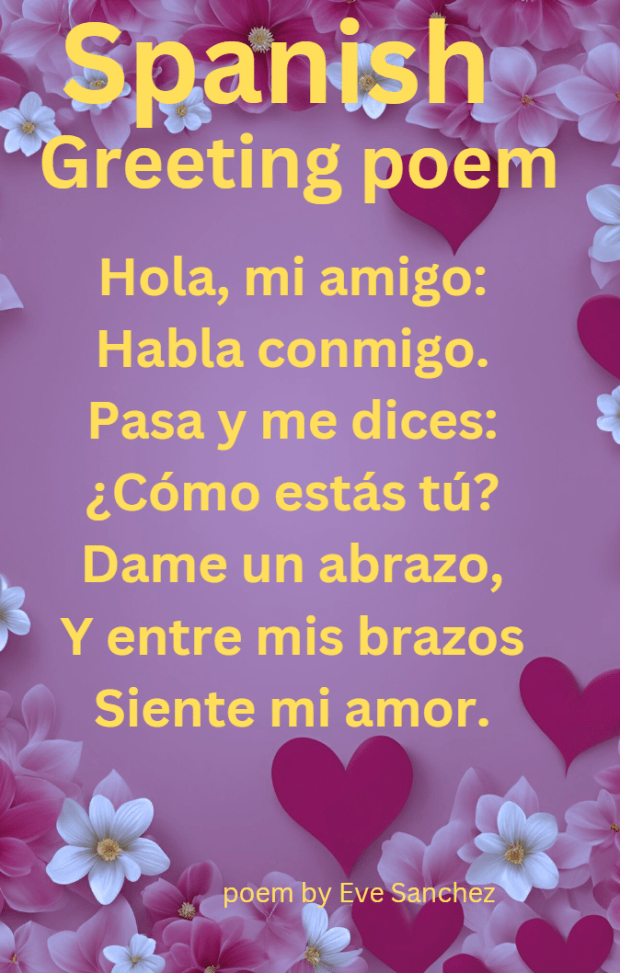
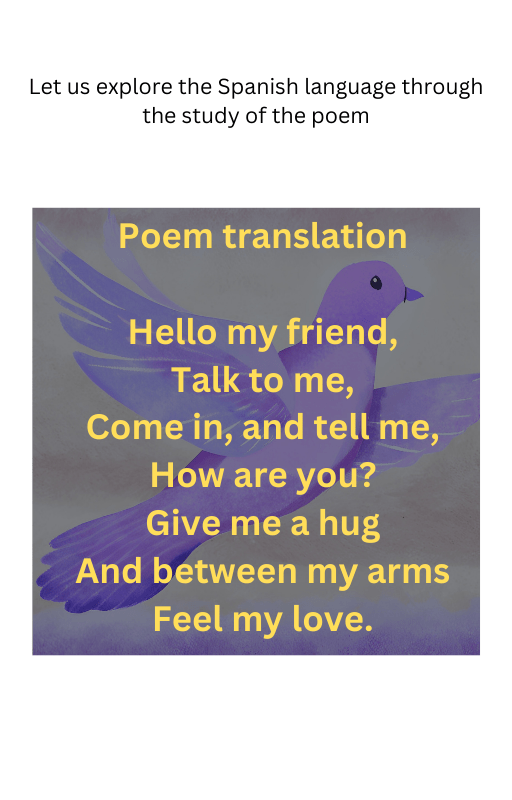
Below are the printable worksheets from my Rima y Ritmo class 1 ebook.
Print the printables, including the poem and read the lesson plan I linked above and using the poem and translation, work through these exercises. My children found them non easy.
Let me know if you need the answers.

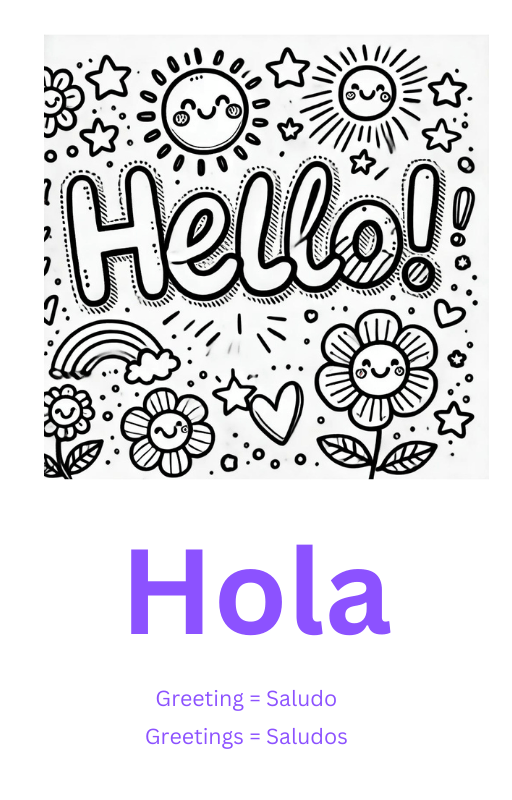
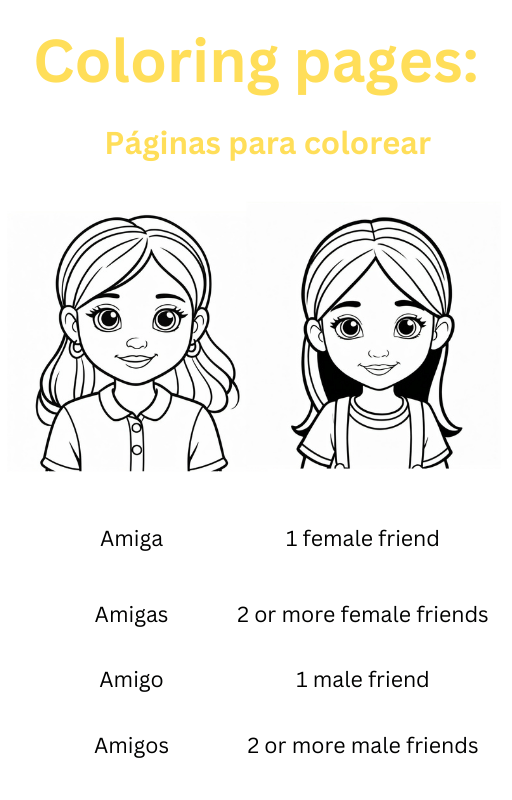
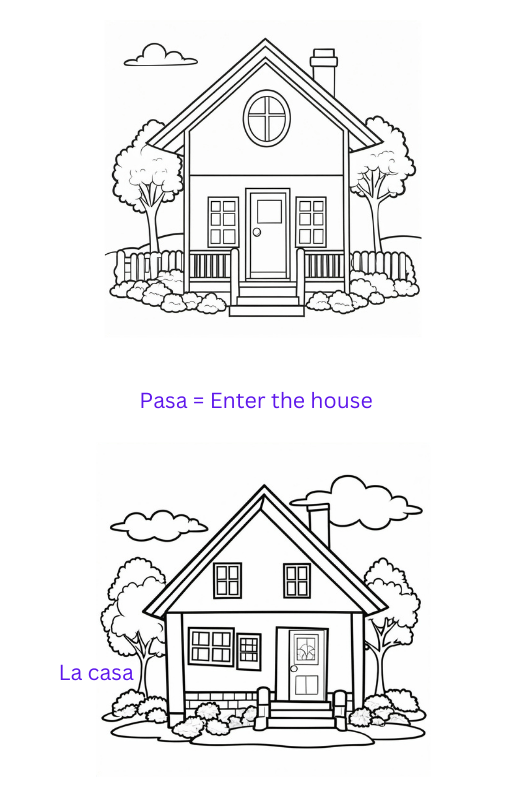

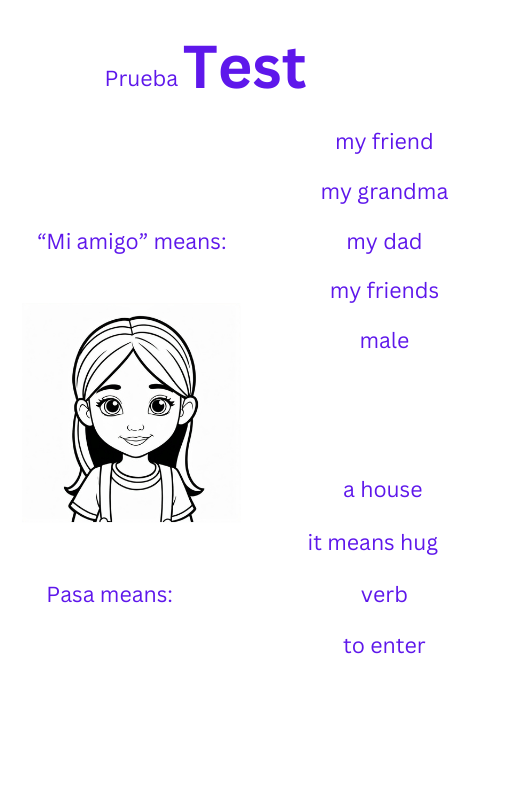
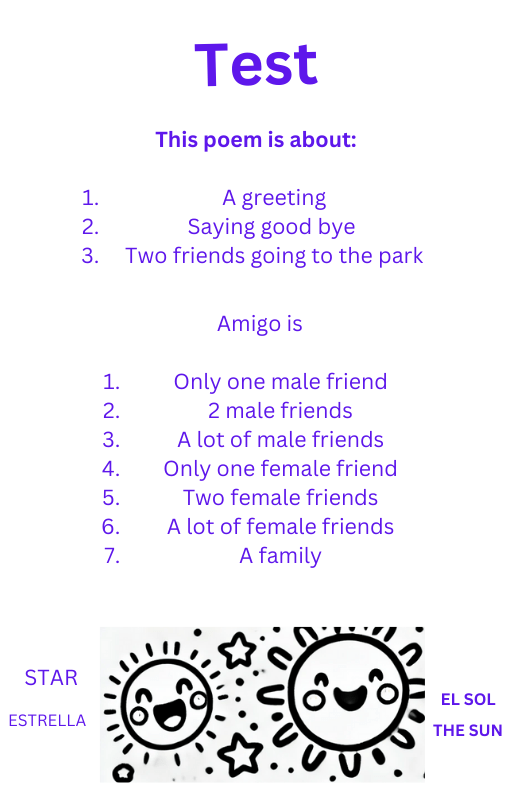
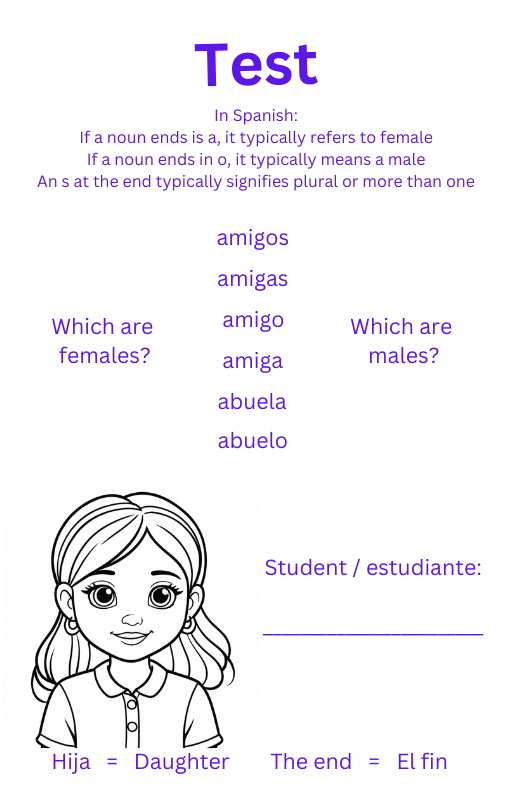
Let me know if this helped and if you want to see more like this.
Would you benefit from video lessons?
With love,
Eve
The Pythia: high priestess of Delphi. Most influential women of Ancient Greece
The Pythia, mysterious figures of ancient lore. Not myth, though.
Did you know
There were several Pythias.
The Pythias are said to have been poetesses
The Pythia spoke in cryptic messages translated by priests
She would have been a teenager, unmarried young woman, or woman past childbearing age.
Alexander the Great and many kings visited the Pythia
The Pythia influenced state, kings, and citizens with her prophecies
Pythia’s Whisper, a poem
Pythia’s Whisper
In Delphi’s sacred shadow, she speaks,
Veiled in mist of ancient dreams,
A breath of earth and smoke she seeks,
Where truth in whispered echoes streams.
Her voice, a tremor through the veil,
Glimmers of the gods, their will,
In trance she rides the hidden gale,
To prophesy with fervent thrill.
The chasm breathes its mystic air,
A sigh of fate, a quiver deep,
She dances in the temple’s lair,
Where ancient secrets softly seep.
In every riddle, cosmic dance,
A glimpse of truth, both fierce and sweet,
The Pythia, in fleeting trance,
Unfolds the world’s concealed heartbeat.
Short version
In Delphi’s shadow, veiled in mist,
She breathes the gods’ ethereal kiss,
In trance, her voice through secrets weaves,
Prophecies in whispered leaves.
This information is from my mind, from too much reading.
The book Alexandros (this was the Spanish name, but this is my favorite book, I’ll buy this book) of his visit to Pythia.
A philologist I follow (who is not safe for home education) speaks of her poetry.
Many ancient historians wrote of the Pythia.
If you liked this, let me know,
With love,
Eve
Socrates, Ancient Athenian Philosophy and Wisdom. Philosophy Classes for Children.
Dear reader,
I bring you more Socrates materials for our learning as parents and, soon, tools (including a free Lesson Plan) to introduce this master of questioning to our children.
Below, you will find 2 of my poems about Socrates, which can be used as materials for reading and comprehension, links to philosophy classes, a free class link (using it will be though because they have too many good choices, take your time to find your favorite class), and links for Socrates study.
Poetry is great for the Socratic Method, actually.
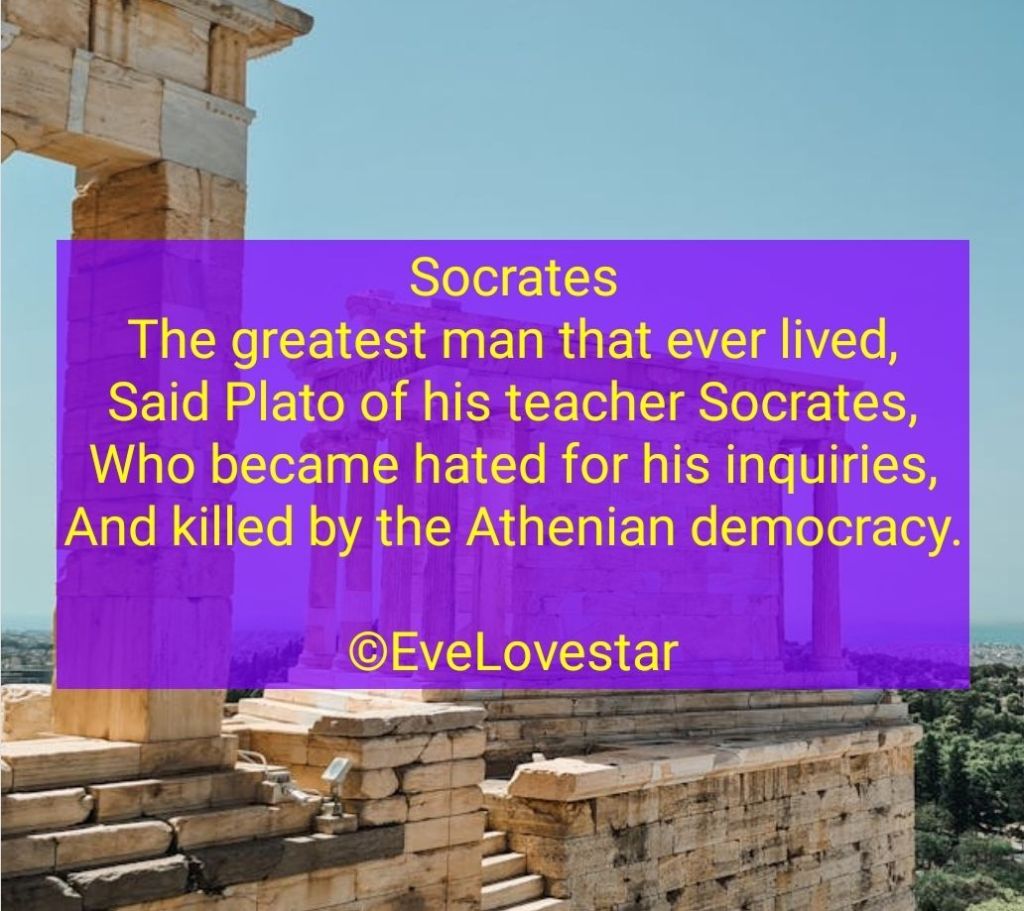
To be able to home educate or homeschool, we must educate ourselves first. Also, by learning, we inspire our children to do the same.
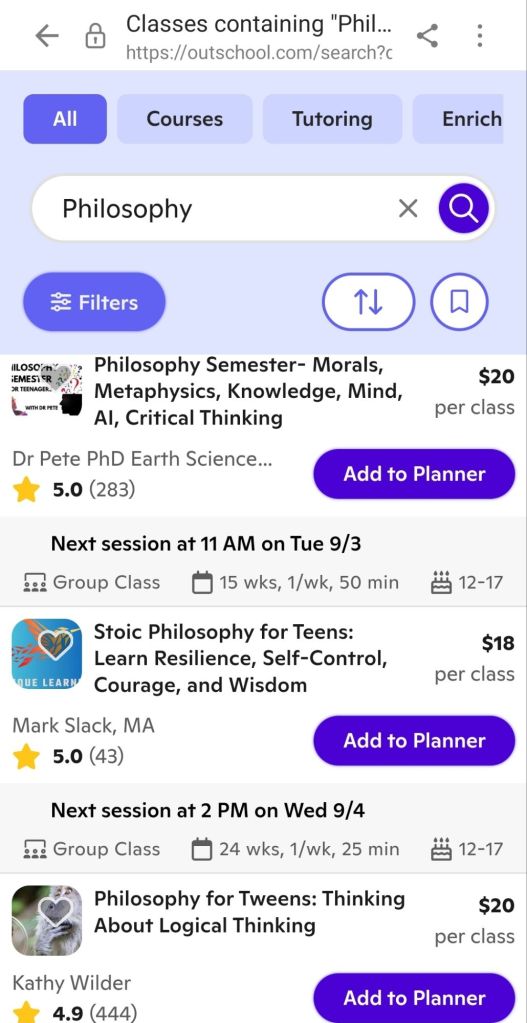
Related Outschool Classes and Tutors. Scroll to get your free class!!!
Outschool is my preferred tutor program, and my three oldest daughters have had many Outschool classes. We enjoy the program so much that I became an ambassador for them. This means I share the classes and teachers I love, and they pay me in free class credits at no cost to you.
Outschool has a bunch of classes for everything. They do not have a class on Socrates, but they have loads of ancient history classes, and I just found too many philosophy classes to share. Outschool is international and likely in your country as well.
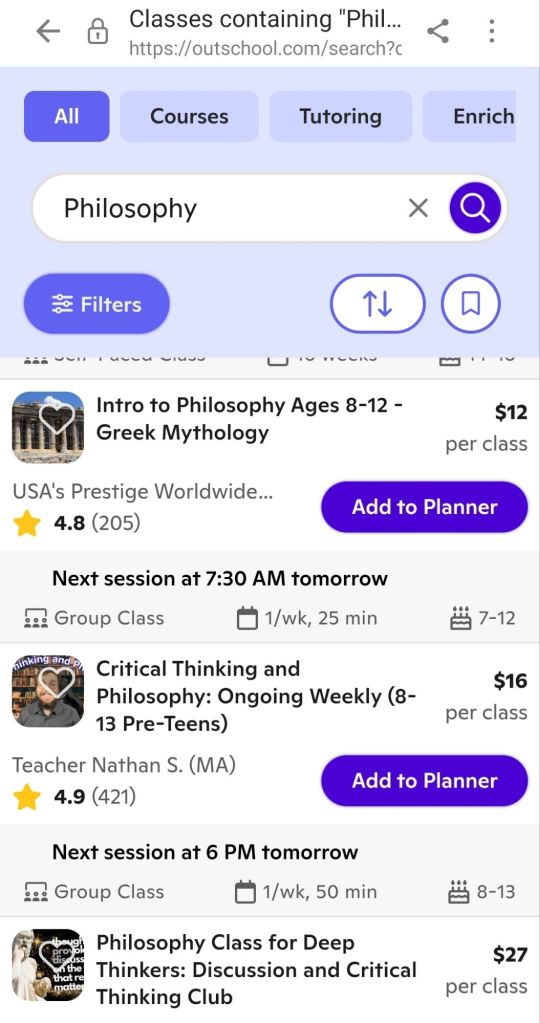
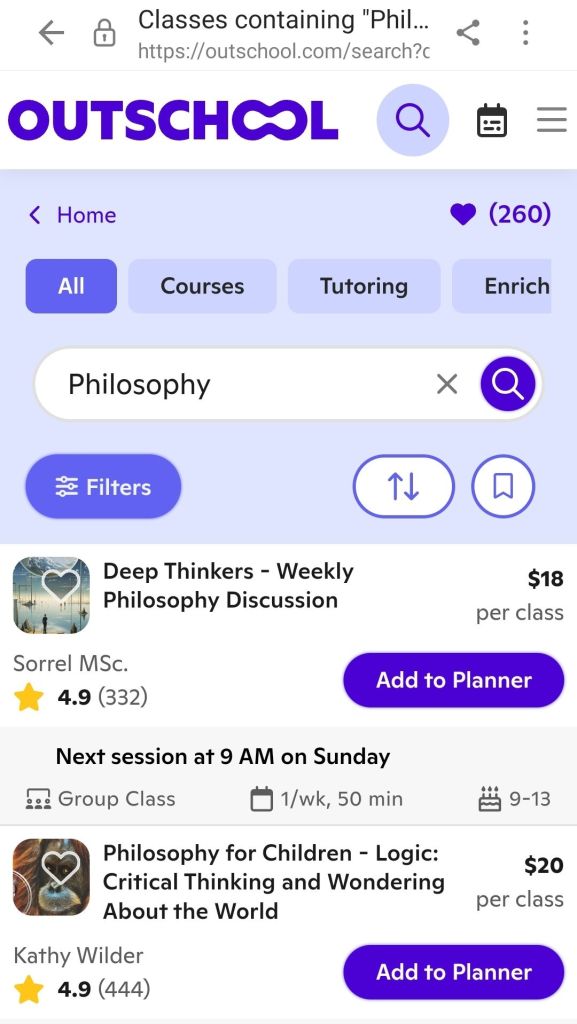
Deep Thinkers – Weekly Philosophy Discussion
US Grade 4 – 7
Explore the world of ideas and challenge your perceptions in ‘Deep Thinkers,’ a unique online philosophy class designed specifically for young minds.
This isn’t your typical classroom experience; here, we delve into life’s biggest questions and the mysteries of existence in a fun, interactive, and engaging manner.
Through engaging discussions and thought-provoking exercises, students will journey through a diverse range of philosophical concepts, from understanding the abstract concept of time to discussing human nature and even delving into fascinating ideas like simulation theory. But don’t be intimidated by these ‘big’ topics. Each idea is broken down and presented in a way that’s both accessible and relevant to our students’ experiences.
https://outschool.com/classes/deep-thinkers-weekly-philosophy-discussion-iWfptOAP?refuid=XqYUyJwg
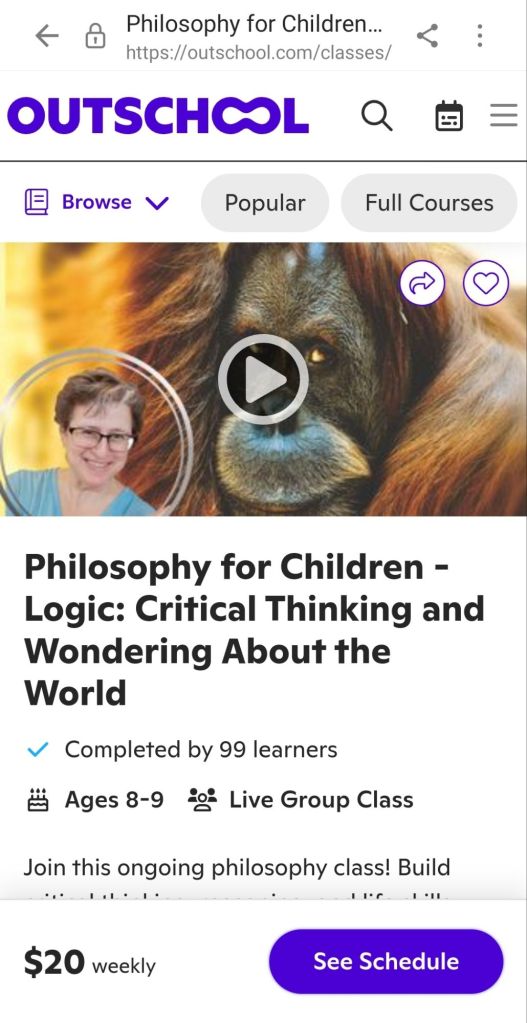
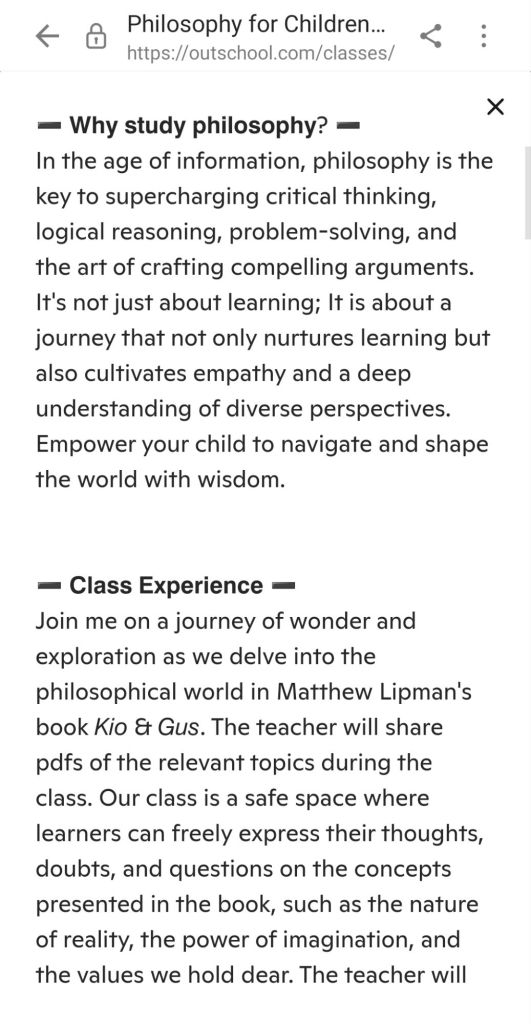
Get your first Outschool Class for free:
Outschool lets your kids’ curiosity run wild with classes on any topic you can imagine. If you’re new to Outschool, you’ll get $20 USD referral credit with this link:
If you sign up for an Outschool class, tell them I sent you by adding my code at check out
STAR2024
AZ’s ESA covers the cost of these classes if you have one. I believe ESAs from other states such as Florida cover the costs as well.
Socrates, a poem.
Socrates in the Shadows
In the quiet halls where shadows lie,
A thinker walks ‘neath a boundless sky,
His breath a whisper in ancient wind,
A voice of reason, fierce and thin.
He stands where darkness cloaks the land,
A world enslaved by iron hand,
The political woes, a heavy yoke,
Yet in his heart, no fear awoke.
“Do you not see?” he calls with grace,
“The chains that bind, the darkened space,
Are but illusions, thin and frail,
For wisdom’s light shall never pale.”
With valor bold, he questions all,
The gods above, the shadows’ call,
He seeks the truth where others flee,
In courage fierce, his mind roams free.
He strides through doubts and silent fears,
His voice a beacon through the years,
He asks of us: “What makes us wise?
Is it in gold or in the skies?”
“No,” he says, “it’s in the soul,
In questioning the tyrant’s role,
In seeking truth where shadows play,
In daring to defy the fray.”
For in the face of cruel despair,
When tyrants’ lies fill up the air,
It’s in the quest for wisdom’s grace,
That we reclaim our rightful place.
“Rise above the darkened gloom,”
He whispers in the dim-lit room,
“Embrace the light, the questions bold,
And let your wisdom break the mold.”
In every mind, his spirit sows,
A seed of courage, wisdom grows,
In questioning, we find the key,
To break the chains and set us free.
So heed the call of Socrates,
In every shadow, find the peace,
For in the search for truths untold,
We find the courage to be bold.
Sources for further study: free, online: I’ll offer additional sources soon.
https://en.m.wikipedia.org/wiki/Socrates
https://www.britannica.com/biography/Socrates
https://www.history.com/topics/ancient-greece/socrates
Stay tuned for more coming on this topic, including the free Lesson Plan for our children.
If this helped or inspired you, let me know so I can do more like this. I loved it, but I’ll share more if you like it, too.
If you have questions about Outschool tutoring, let me know in the comments
Note: This was a quick poem that I will most definitely edit when I complete the final Lesson Plan on this subject (the whole package I’m preparing which will take me some time, because I don’t want to rush it.
With the intention to inspire learning, thinking, and questioning,
Eve
Poemas de José Martí. Lo más bello escrito por el hombre
Queries lector, Hoy te presento mi poesía favorita, la poesía de José Martí el poeta Cubano (1953 – 1995). Yo soy Cubana, Martí es un ídolo para mi y mi primera influencia poética (gracias a mi papá, un maestro de Español cubano) Cultivo una rosa blancaEn Julio como en eneroPara el amigo sinceroQue me da […]
Poemas de José Martí. Lo más bello escrito por el hombre
If you are searching for reading materials in Spanish that are beautiful and deep, look no further than the poetry of José Martí.
In my Spanish blog, I just shared one of his best poems with a translation for your understanding and study.
Poetry is great for language study because you don’t have to understand every word to get the message.
With love,
Eve
History of Poetry (1). The Origins – Exploring Oral Tradition and Mythology
Dear reader,
Are you a poetry lover or an educator who uses poetry?
I am studying the history of poetry. Thank you for embarking on this journey with me.
In my home education journey, I am still working to get my children more involved with poetry. My oldest agreed to take a class about poetry. She also studied Shakespeare.
Previously, when we tried online school, I helped my two oldest kids write poems for classes. My oldest kid won second place in a poetry competition. They have created their own poems after watching me write many poems of my own.
Previous to attempting to teach my kids the history of poetry, I have to learn more about it myself.
As I researched this topic to create something solid, I learned so much that I didn’t know about the power of poetry, and I’m excited to share.
Eventually, I’ll collect all this information together into an ebook – presentation for my kids to study when they’re ready.
This material is advanced, not for kids. This could be useful to teenagers, young adults, poets, writers, and teachers/ homeschool parents.
Why I study poetry
I see poetry as the king of language.
I study poetry more than for its beauty. I can’t even express why. All I can say is that poetry is in my DNA. I feel certain word combinations deeply. Poetry that resonates with me has the potential to be more than inspirational. It can be life changing.
Studying poetry and its rich history and tradition offers numerous gifts, including:
1. **Cultural Insight**: Poetry provides a window into the values, beliefs, and societal norms of different cultures throughout history.
2. **Language Mastery**: Analyzing poetry enhances language skills, including vocabulary, syntax, and figurative language comprehension.
3. **Emotional Expression**: Poetry explores complex human emotions and experiences in ways that prose often cannot, fostering empathy and emotional intelligence.
4. **Historical Context**: Poems reflect historical events, movements, and perspectives, offering unique insights into the past.
5. **Aesthetic Appreciation**: Studying poetry develops an appreciation for the beauty of language, imagery, rhythm, and sound.
6. **Critical Thinking**: Analyzing poetry sharpens critical thinking skills by requiring interpretation, evaluation of themes, and exploration of multiple meanings.
7. **Creativity and Imagination**: Writing and studying poetry encourage creative expression and imaginative thinking.
8. **Personal Growth**: Engaging with poetry promotes self-reflection, mindfulness, and personal growth through introspection and exploration of universal themes.
9. **Literary Tradition**: Understanding the history of poetry connects us to a rich literary tradition spanning millennia, influencing modern literature and culture.
10. **Cross-Cultural Connections**: Poetry transcends borders and languages, facilitating cross-cultural understanding and appreciation.
11. **Psychological Insight**: Poetic expression often delves into the depths of human psychology, offering insights into the human condition and psyche.
12. **Spiritual and Philosophical Exploration**: Many poems explore existential questions, spiritual beliefs, and philosophical inquiries, inviting contemplation and dialogue.
Studying poetry thus enriches our understanding of language, culture, history, and ourselves, making it a valuable pursuit across educational, personal, and professional realms.
**Introduction: Unraveling the Mysteries of Poetry**
Poetry, as an art form, transcends time and culture, serving as a medium of expression, storytelling, and cultural preservation. Delving into its origins leads us into the realms of ancient oral traditions and mythology.
**Section 1: Origins in Oral Tradition**
Poetry emerges from the dawn of human language, intertwining with oral traditions passed down through generations. Before the advent of written language, early societies relied on oral poetry to convey history, myths, rituals, and moral lessons. These poetic narratives were crafted with rhythmic patterns and mnemonic devices, aiding in their memorization and transmission across cultures.
Scholars believe that the origins of poetry are deeply entwined with the development of language itself, evolving from primitive chants and incantations into structured forms that encapsulated the essence of human experience. While the exact beginnings remain obscured by the mists of prehistory, archaeological evidence and comparative linguistic studies offer glimpses into the ancient roots of poetic expression.
**Section 2: Poetry and Mythology**
In the era of early civilizations, poetry and mythology were intricately woven together. Mythological narratives often found their voice in poetic forms, serving as a means to explain natural phenomena, celebrate heroes, and uphold societal values. Examples abound across ancient cultures, from the epic hymns of Sumerian mythology to the lyrical odes of Greek legends.
These mythopoetic traditions not only preserved cultural identity but also provided a medium for exploring existential questions and the mysteries of the human condition. Through poetry, ancient peoples forged connections with their ancestors, gods, and the cosmos, creating narratives that resonated through time and space.
**Conclusion: Poetry as a Gateway to Human History**
The origins of poetry, rooted in oral tradition and mythology, underscore its fundamental role in shaping human consciousness and cultural evolution. While the precise moment of its inception eludes us, poetry’s enduring legacy as a conduit of expression and cultural memory remains indisputable.
As we embark on a journey through the annals of poetic history, we unravel not only the mysteries of our past but also rediscover the timeless power of language and creativity. Poetry, in its myriad forms and voices, continues to inspire, provoke, and illuminate the human experience, inviting us to explore the depths of our collective heritage.
Excerpt from “The Ancient Stream” an ongoing poetry collaboration on Twitter/ X.
Homer. The Illiad and the Odyssey
Homer, believed to be the author of the epic poems “The Iliad” and “The Odyssey,” composed these works during a time when writing was not yet prevalent in ancient Greece. Instead, these monumental epics were passed down orally, generation after generation, through skilled storytellers. Historians don’t know much about Homer.
This oral tradition not only preserved the narratives of heroic deeds and mythological tales but probably also added layers of improvisation and embellishment with each retelling.
There was potential for alterations and adaptations over time, as oral transmission is inherently susceptible to changes influenced by cultural shifts and the storyteller’s interpretative lens. Despite these challenges, Homer’s epics endure as masterpieces of ancient literature, showcasing the power of oral tradition in preserving and transmitting cultural heritage.
I wonder what these epics were like when they were transmitted orally.
In modern times, we know all about The Illiad and The Odyssey. We have read translations, watched movies, and documentaries about it. What we can appreciate is the language it was written in, the ancient Greek form of poetry, which largely differed from modern poetry. I don’t think it’s possible to recreate that kind of poetry in English.
Sources for our continued study
Here are some sources and references that we can use for further study on the origins of poetry and its connections to mythology:
1. **Books:**
– *The Power of Myth* by Joseph Campbell and Bill Moyers – Explores the role of mythology in human culture and storytelling.
– *The Poetics* by Aristotle – Classical work on the principles of poetry and drama.
– *The Epic of Gilgamesh* – An ancient Mesopotamian epic poem, one of the earliest known literary works.
– *The Odyssey* and *The Iliad* by Homer – Classic examples of epic poetry from ancient Greece.
2. **Articles and Academic Papers:**
– JSTOR is a database that provides access to various scholarly articles on ancient poetry and mythology.
The archaeology of language https://www.cambridge.org/core/journals/antiquity/article/abs/archaeology-of-language-originsa-review/4B053CBE2C6D633D3345CE8EE157BB78#
3. **Websites and Online Resources:**
– Ancient History Encyclopedia – Provides articles and resources on ancient civilizations and their literary traditions.
– Theoi Greek Mythology (https://www.theoi.com/) – A comprehensive resource on Greek mythology, including myths often conveyed through poetry.
– Internet Sacred Text Archive (https://www.sacred-texts.com/) – Offers a collection of texts from ancient and modern religions, including poetic works and mythological narratives.
These sources provide a solid starting point for readers interested in exploring the origins of poetry and its connections to mythology in greater depth. They cover a range of perspectives from academic studies to literary classics, ensuring a well-rounded approach to understanding this foundational aspect of human culture.
Links
Oral traditions and the internet https://g.co/kgs/AZLWcho
Thank you very much for engaging with supporting poetry. Poetry can help support you as well.
I will bring you more poetry history, which will surely impress serious students of this art-craft.
With love,
Eve
Exploring poetry as a tool for language learning. Part 2
Dear reader,
I currently use poetry as a tool for my language study, and I feel it’s the most fascinating way to study a new language. Let me tell you about my strategy.
My language study
I took to Duolingo for language learning and quickly realized that I needed more input. I chose Latin and quickly started watching YouTube videos about it, and (this is strange, but I felt it was a sign from the universe) I realized what I’d be doing with my Latin learning on my second day of learning it.
I immediately recognized that poets were huge in Ancient Rome, and of course, I should have already known that, as a poet…
The message I received from the universe was that I was going to read and translate the ancient Roman poetry (I did already translate one).
Then, I decided to learn the Ancient Greek alphabet and found gorgeous Greek romantic poetry, which I’m already working on just for fun. It is extremely complex, which makes everything else seem easy.
Then, I started following poets on Twitter and followed an Italian guy. I interacted with the guy, and he shared an Italian poem with me, so I have a soft goal of learning Italian. I am taking an Italian course and doing well as a total newbie.
So, me, a poet… learning languages with poetry is simply natural.
However, I believe it’s the most fun way to practice, which is why I want to tell you all about it.
Tips to use poetry for language study from a poet
- Start with Simple Poems: Begin with shorter poems or poems with straightforward language. This helps in understanding basic poetic structures and building confidence.
- If you don’t already read poetry: start with poetry in your language. Then, move on to bilingual poetry.
- Focus on Themes of Interest: Choose poems that resonate with your personal interests or topics you are passionate about. This makes the learning process more enjoyable and meaningful.
- Read Aloud and Listen: Poetry is meant to be heard. Read poems aloud to practice pronunciation, intonation, and rhythm. Listening to recordings of native speakers reciting poems helps in understanding cultural nuances and natural cadence.
- Analyze and Discuss: Break down poems line by line to grasp their meaning, themes, and literary devices. Discuss interpretations with language partners or teachers to gain different perspectives.
- Write Your Own Poems: Use the language you’re learning to compose your own poems. This reinforces vocabulary, grammar, and creativity while allowing for personal expression. Writing your own poetry has the potential to lift your spirits, help you grow, and increase your self steem! 🙏
- Explore Different Poetic Forms: Experiment with various forms like haikus, sonnets, or free verse. Each form challenges different aspects of language skills and encourages exploration of cultural differences in poetic expression.
- Use Poetry Collections and Anthologies: Explore collections of poems from different cultures and time periods. This broadens exposure to diverse linguistic styles and historical contexts. Note: When you’re advanced, read the very old poetry.
- Integrate Technology: Utilize language learning apps, online forums, and social media to share and discuss poetry with native speakers and other learners worldwide.
- Attend Poetry Readings and Events: Immerse yourself in the local poetry scene or attend virtual poetry readings. This provides exposure to authentic language use and cultural insights.
- Be Patient and Persistent: Learning through poetry requires patience and persistence. Embrace challenges as opportunities for growth and celebrate progress along the way.
By incorporating these tips into your language learning journey, you can effectively harness the power of poetry to enhance your linguistic proficiency and deepen your appreciation for the beauty of language and literature.
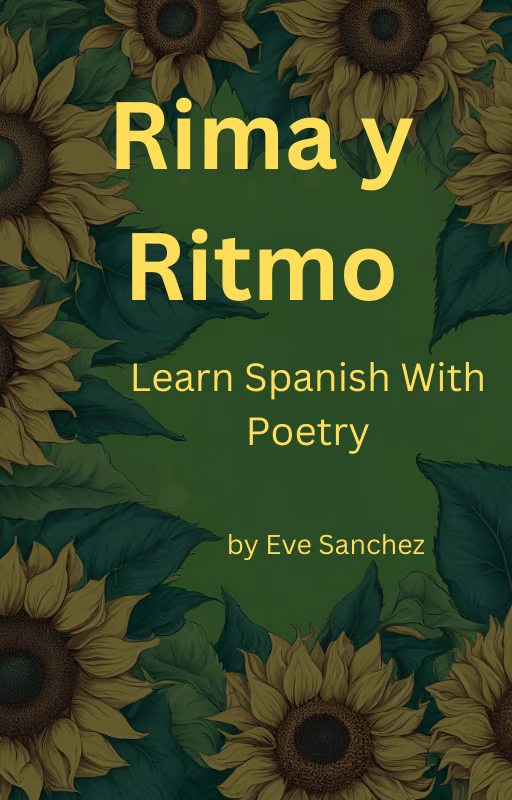
Learning Spanish?
Consider my Spanish class:
Thank you for reading,
Eve
Exploring Poetry as a Tool for Language Learning
Dear reader,
I am currently reading poetry in Latin for my humble Latin learning practice. Let’s discuss why poetry is a fun and effective way to acquire a new language.
This applies to students who already have some knowledge of the new language. If you are starting to read in your target language, this tip applies to you.
Poetry, with its intricate use of language, offers a unique avenue for learners to delve deeper into a new language. Far from the straightforward prose typically encountered in language textbooks, poetry presents learners with a challenge that extends beyond mere grammar and vocabulary. It demands an understanding of cultural nuances, literary devices, and a keen ear for rhythm and cadence.
Yet poetry, with its whimsical beauty, can be the catalyst for a deeper understanding of a new language. I read the same poem for over a week hundreds of times in Latin, and I then translated it. Yes, it took a week, but that’s nothing compared to never understanding that gorgeous piece of literature.
Complexity of Poetry
At its core, poetry is a linguistic art form that pushes the boundaries of language. Its condensed and often metaphorical nature forces readers to interpret meaning beyond literal words. This complexity serves as both a hurdle and an opportunity for language learners. By grappling with poetic verses, learners are exposed to varied sentence structures, idiomatic expressions, and figurative language that are essential for fluency.
Stepping Out of the Comfort Zone
Engaging with poetry requires readers to step out of their linguistic comfort zones even if the poetry we’re reading is in our first language. Unlike everyday language, poetry uses heightened language, symbolism, and imagery, challenging learners to think critically and creatively. This exposure not only enriches vocabulary but also enhances comprehension skills by encouraging deeper analysis of context and subtext.
Linguistic and Literary Growth
Studying poetry aids language learning by fostering a deeper appreciation for the nuances of grammar and syntax. Poetic forms such as sonnets, haikus, and ballads adhere to specific structures, exposing learners to formal conventions while encouraging experimentation with language. Moreover, the rhythmic patterns inherent in poetry improve pronunciation and cadence, aiding in the development of natural speech patterns in the target language.
And dare I say that the repetition in poetry could assist I memory because like that ancient Roman smart guy said
Repetition is the mother of learning.
Another cool thing about poetry is that you can read a poem 5000 times if you love it.
Cultural Insight and Empathy
Poetry serves as a window into the cultural and historical contexts of a language. By exploring poems from different periods and regions, learners gain insight into societal norms, values, and perspectives. This cultural immersion not only enhances language proficiency but also cultivates empathy and cross-cultural understanding.
Practice Makes Proficient
Practicing poetry reading or, better yet, writing in a new language further solidifies linguistic skills. Crafting poems forces learners to apply grammar rules, expand vocabulary, and experiment with stylistic devices. This active engagement promotes language retention and fluency by reinforcing learned concepts in a creative and memorable manner.
Conclusion
In conclusion, while poetry may initially seem daunting to language learners, its inherent challenges and rewards make it a powerful tool for linguistic and literary growth. By embracing the complexity of poetic expression, learners not only enhance their language proficiency but also deepen their understanding of cultural contexts and human experience. Thus, integrating poetry into language learning curriculum enriches the educational experience, fostering a lifelong appreciation for language and literature.
Are you learning a language?
Are you already reading poetry in your target language?
If you’re learning Spanish, I have a multitude of poems for your reading pleasure and language peactice.
Please let me know if you’re searching for Spanish reading texts.
With love,
Eve

You must be logged in to post a comment.