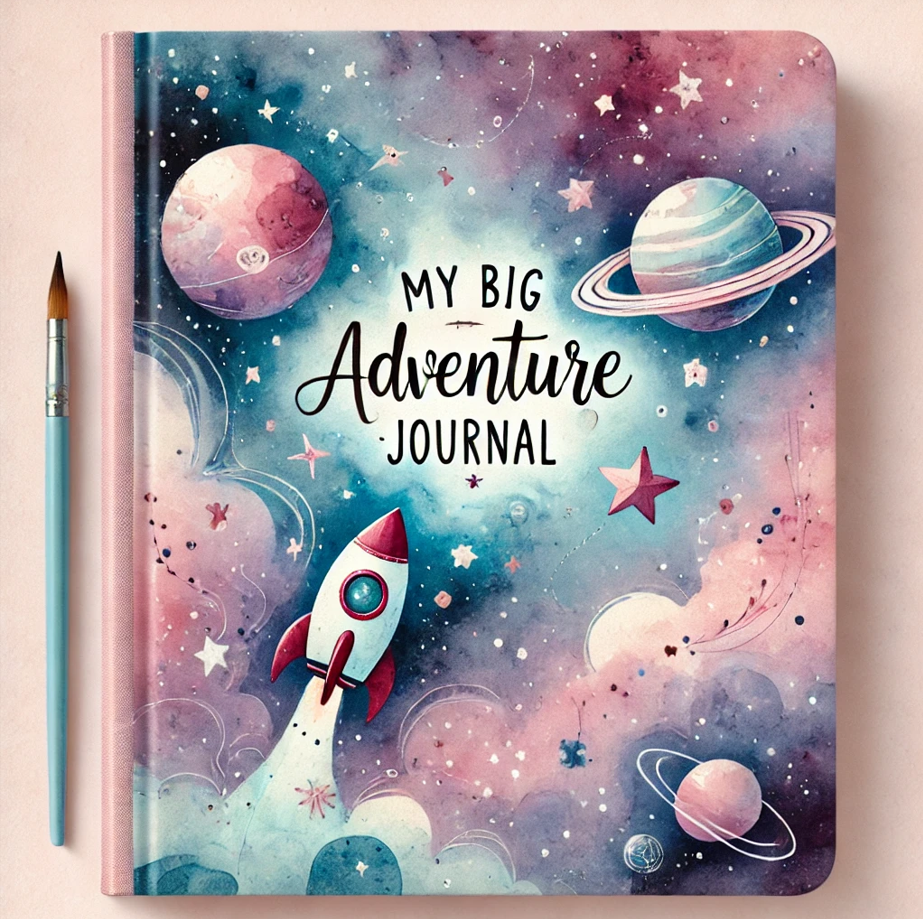

Journal Page and Children Journaling Exercises

Dear reader,

As promised, I have returned to share with you my monthly journal page and journaling exercises for children.

These are free for personal use, homeschoolers, and teachers.

Let me know if you like these so I can create and share more.

(More Learning on Etsy: https://evelovestar.etsy.com )

8 Enlightening Journaling Prompts for Self-Discovery in Children

The Mirror of My Soul

  • Imagine looking into a magical mirror that shows who you are on the inside.
  • What do you see? What are your strengths, and what makes you special?
  • Write about one thing you want to grow or learn more about.

My Superpowers

  • What are three things you’re really good at?
  • How do these “superpowers” help you and others?
  • If you could teach one of your skills to someone, what would it be?

The Day I Felt Proud

  • Write about a time you did something you were really proud of.
  • What made it so special?
  • How can you create more moments like that?

Colors of My Feelings

  • If your feelings were colors, what color would happiness be? How about sadness or excitement?
  • Write about a time when you felt one of these colors strongly.
  • What did you learn about yourself in that moment?

A Letter to Myself

  • Write a letter to yourself in the future.
  • What do you hope you’ll be doing and feeling?
  • What advice would you give your future self?

My Dream Skills

  • If you could learn any new skill instantly, what would it be?
  • Why does it interest you?
  • How can you start practicing it right now?

The People I Admire

  • Who are three people you admire, and why?
  • What qualities do they have that you also see in yourself?
  • How can you practice those qualities every day?

If I Were a Tree

  • Imagine you are a tree. What kind of tree would you be, and where would you grow?
  • What does your tree say about the kind of person you are?
  • What helps your tree (and you!) grow strong and healthy?

Previous Journaling Exercises

If you feel called to share your child’s work, do so on X @evelovestar

Thanks for your visit and I will share another journal page and exercises next month.

Visit our Etsy shop to find our Homeschool aid offers, Spanish classes, and more through this link

https://evelovestar.etsy.com

Talk soon,

Eve

Journal Page and Children Journaling Exercises

Dear reader,

I created this journal page to be cute to catch my children attention right away.

We all know that young children will not read a book without pictures. I remember loving to read and starting and not finishing at least three times a more serious non picture book that my mom loved with a young feel but too boring for my child mind.

I am all about disguising the learning in a pretty and fun package because those are the things that children love.

I created these with my daughter, and this is why I know that they will work, she assisted and assured me that she would rather write on these than on the “boring” normal lined paper.

More learning printables, worksheets, and lessons on Etsy https://evelovestar.etsy.com

8 Cool Journaling Exercises for Children

Invent a Superhero

  • What is your superhero’s name?
  • What powers do they have, and how did they get them?
  • Draw a picture of your superhero in action!

My Dream Day

  • If you could do anything in the world tomorrow, what would it be?
  • Who would you spend it with?
  • Describe your perfect day from start to finish.

Animal Adventure

  • If you could turn into any animal, what would you choose and why?
  • Where would you go, and what would you do?
  • What would your animal friends be like?

A Message from the Stars

  • Imagine you received a letter from an alien. What does it say?
  • Write your reply back to the alien.
  • Describe what their world might look like.

Magic Object Discovery

  • You found a magical object in your backyard. What is it, and what does it do?
  • How will you use its powers?
  • Write about a crazy adventure you had with it.

If I Could Travel Back in Time

  • What time period would you visit?
  • Who would you meet, and what questions would you ask?
  • What would you bring back to show your friends?

Your Secret Hideout

  • Imagine you have the coolest secret hideout ever. Where is it?
  • What does it look like inside?
  • What fun things do you do there?

The Talking Object

  • Pick an everyday object (e.g., a lamp, pencil, or backpack) and imagine it could talk.
  • What would it say to you?
  • Write a conversation between you and this object.

Previous Journaling Exercises

If you feel called to share your child’s work, do so on X @evelovestar

Thanks for your visit and I will share another journal page and exercises next month.

Visit our Etsy shop to find our Homeschool aid offers, Spanish classes, and more through this link

https://evelovestar.etsy.com

Talk soon,

Eve

How to Weave Journaling into Homeschool Routines – Monthly Journal Page

Dear reader,

Are you already using journaling in your homeschool or learning journey?

As adults we already know the power of journaling (if you are not aware look at the data on this), so I realized that journaling would be great for children, too. Today I want to convince you to journal with your kids!

(More learning on Etsy: https://evelovestar.etsy.com )

Journaling is a versatile and enriching tool that can be seamlessly integrated into your homeschool routine. It fosters creativity, critical thinking, and self-expression while complementing your existing curriculum. Here’s how to make journaling a meaningful and enjoyable part of your child’s day:

1. Start the Day with Reflection

  • Begin your homeschool session with a short journaling activity.
  • Use prompts that encourage reflection, such as “What are you excited to learn today?” or “What’s one goal you want to achieve this week?”
  • This sets a positive tone and helps children focus on their intentions.

2. Link Journaling to Subjects

  • Language Arts: Use journaling to practice storytelling, descriptive writing, or poetry.
  • Science: Have kids record observations from experiments, imagine a day as a scientist, or describe a planet they’ve “discovered.”
  • History: Encourage journaling as if they were historical figures or explorers writing letters home.
  • Art: Pair journaling with drawing or doodling to bring their ideas to life.

3. Encourage Creative Exploration

  • Dedicate time each week for “free journaling,” where kids can write about anything they like.
  • Provide fun prompts, such as “If I had a secret superpower…” or “What would a picnic on the moon be like?”

4. Make Journaling Collaborative

  • Incorporate shared family journaling sessions. Write together about shared experiences, like a field trip or a favorite book.
  • Older kids can write letters to younger siblings or collaborate on a story.

5. Create a Journaling Habit

  • Set aside 10–15 minutes daily for journaling. Consistency helps make it a natural part of the day.
  • Allow kids to journal in their preferred format—writing, drawing, virtual, or even voice recordings.

6. Encourage Self-Discovery

  • Use prompts to help kids reflect on their feelings, goals, and personal interests.
  • Prompts like “What makes me happy?” or “What is something I’d love to learn more about?” can build self-awareness and confidence.

7. Incorporate Technology

  • Older kids may enjoy typing their journals or creating digital scrapbooks.
  • Apps or online tools can make journaling interactive and engaging.

Journaling doesn’t just build writing skills—it’s a window into your child’s thoughts and creativity. By weaving it into your homeschool routine, you’re giving them a tool for self-expression and learning that will benefit them for years to come. Keep it flexible, fun, and tailored to your child’s unique interests, and watch their enthusiasm grow!

Welcome to my new monthly journaling prompts for children

I will be sharing a monthly journal page and exercises on this blog on the first or second Sunday.

These prompts are especially good for kids, particularly homeschoolers, because they inspire creativity, encourage self-expression, and support key educational and personal development goals in a fun and engaging way. Here’s why:

1. Encourage Creativity and Imagination

  • Kids can explore new ideas and worlds without limitations, enhancing their creative thinking.
  • Imaginative prompts, like inventing planets or alien creatures, allow kids to think outside the box.

2. Build Writing and Communication Skills

  • Writing about adventures and discoveries helps children practice storytelling and descriptive writing.
  • They learn to organize their thoughts and articulate them effectively.

3. Enhance Critical Thinking

  • Many prompts involve problem-solving or decision-making, such as what to do with magical objects or how to explore unknown worlds.
  • They spark curiosity and encourage kids to think about “what if” scenarios.

4. Support Personal Growth and Self-Discovery

  • Prompts like creating a planet or exploring feelings through colors help kids reflect on their interests, emotions, and individuality.
  • They build confidence as children recognize their strengths and unique perspectives.

5. Integrate Learning Across Subjects

  • Science: Space-themed prompts introduce astronomy and the wonders of the universe.
  • History and Culture: Prompts about time travel or magical objects can tie into lessons about different eras or mythologies.
  • Art: Kids can draw or visualize their creations, reinforcing multi-disciplinary learning.
  • Writing: Many of these prompts can inspire stories.
  • Language: Simply translate the prompt to Spanish or another language.

6. Provide Emotional Expression

  • Journaling offers a safe space for children to explore their feelings and dreams.
  • Homeschoolers, who often work independently, can use these prompts as an outlet for their inner thoughts.

7. Adaptable for All Ages and Levels

  • Younger kids can use simpler language or drawings to respond, while older kids can expand their ideas into detailed stories.
  • Prompts can be scaled up or down depending on the child’s ability or interests.

8. Encourage Parent-Child Collaboration

  • Parents can join in by sharing their answers or helping kids expand on ideas, fostering deeper connections. A good way to help your kid is to ask them questions about what they wrote and as you ask, they create further to answer, this trick works wonders with my kids.
  • Prompts can also spark discussions that lead to new topics for exploration in homeschool lessons.

By integrating these prompts into homeschool activities, children not only improve academically but also grow as imaginative, reflective, and curious individuals.

Find us on Etsy for more learning offers

https://evelovestar.etsy.com

Eve

Free Worksheets and Blog Update

Dear reader,

Thank you for being here.

Today, I want to update you on what is new with this blog.

The update is a deepening of our homeschooling practice. We are becoming more serious and organized.

New on the blog

  1. I have added my best learning exercises (most time consuming and planned) To Payhip for sale. Do not worry, I will continue to share here for free https://payhip.com/b/NLMdU
  2. I have been sharing Spanish poetry, nothing to fear, that is for educational purposes and language learning is a favorite thing for me. I also share Latin, Italian, and Greek content (languages I am learning). Spanish is a language I can teach. Chek out my Spanish class with poetry both on Etsy and this blog
  3. Creation on worksheets on Canva, Tip! it is easy if you have digital design skills. Homeschooling parents and teachers should be on Canva
  4. I have been writing many more Spanish poems, some for children, I will also use them for education as soon as I catalogue them by level of difficulty and create a lesson, which takes months, by the way

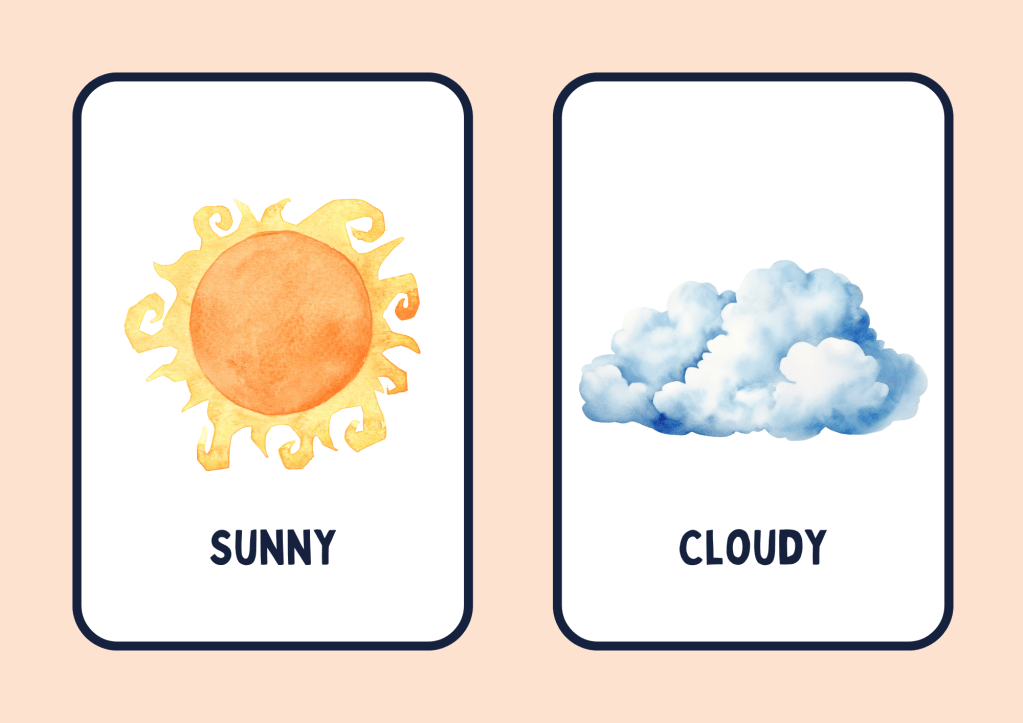
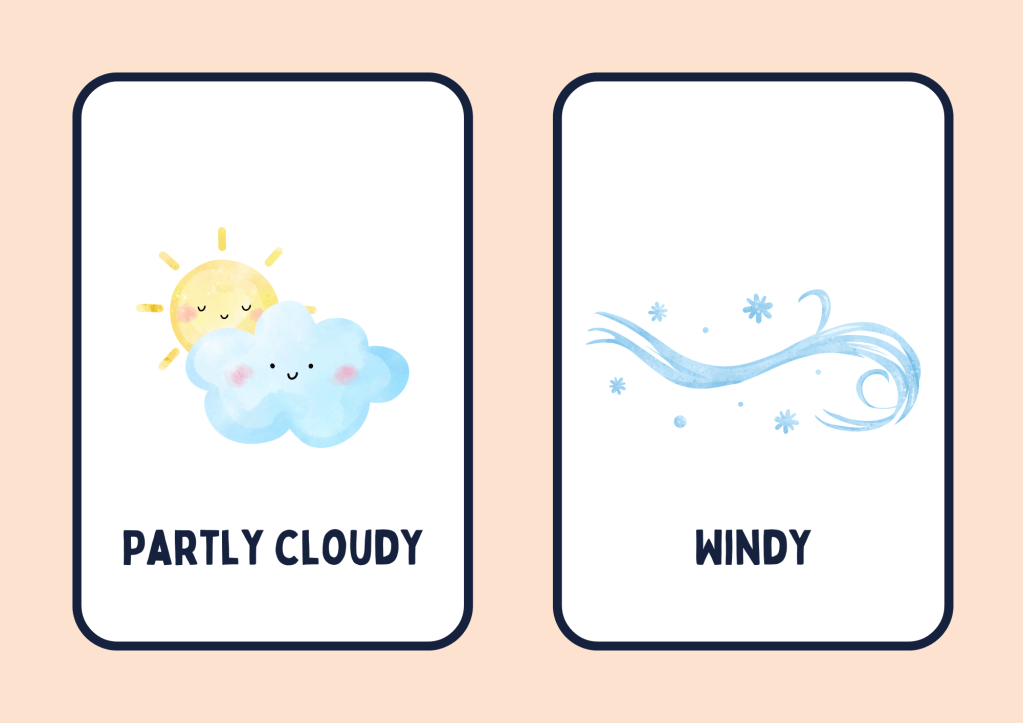
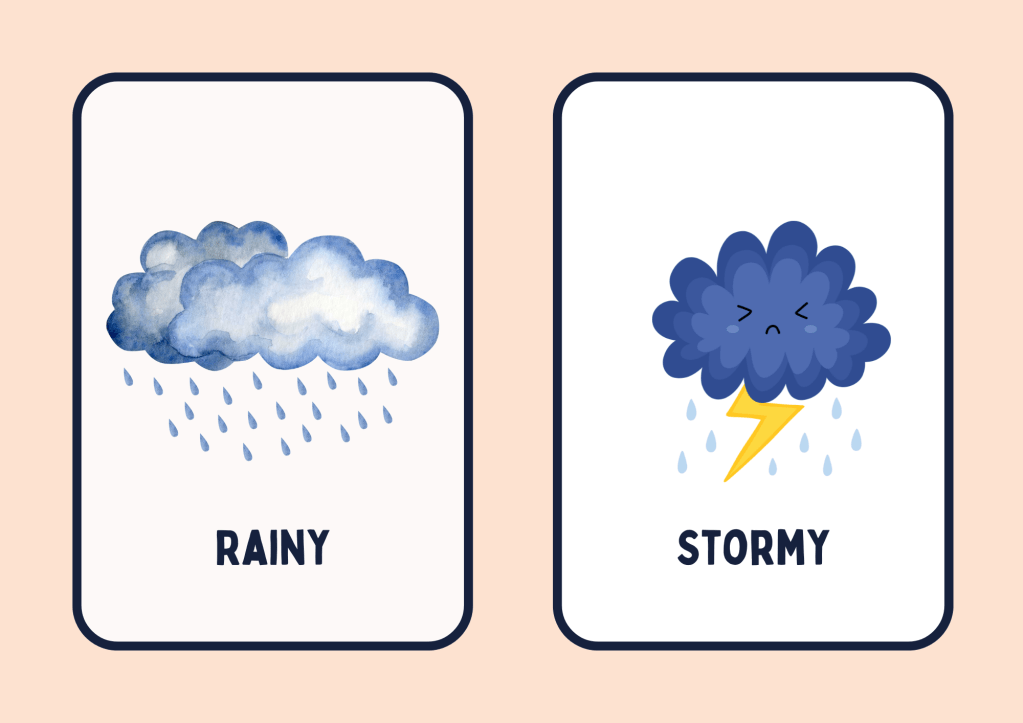
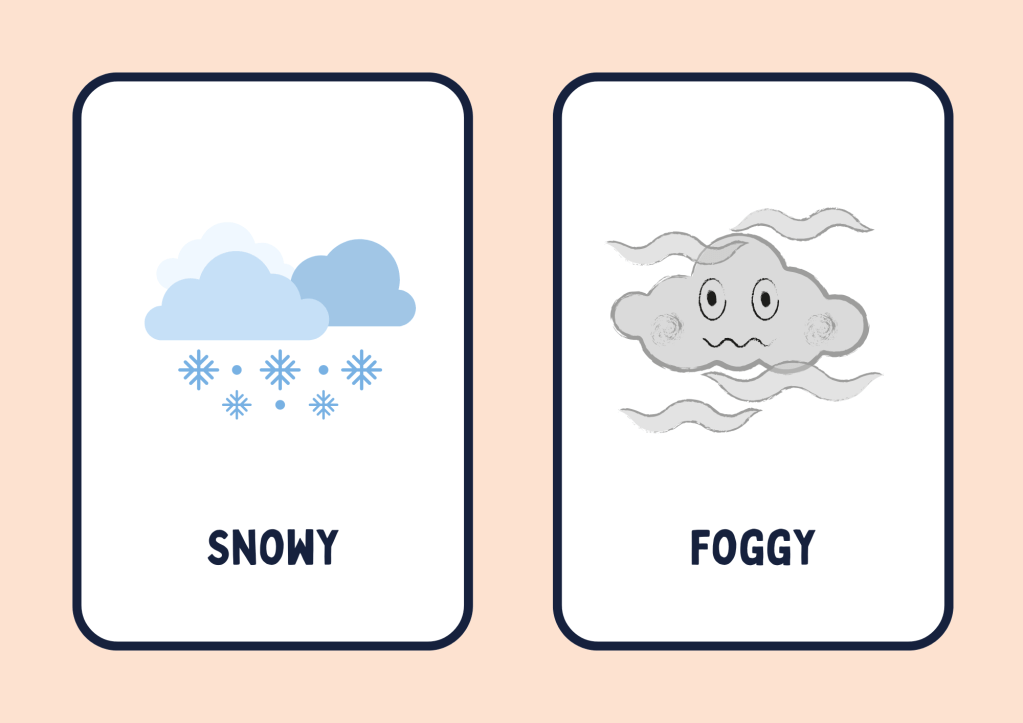
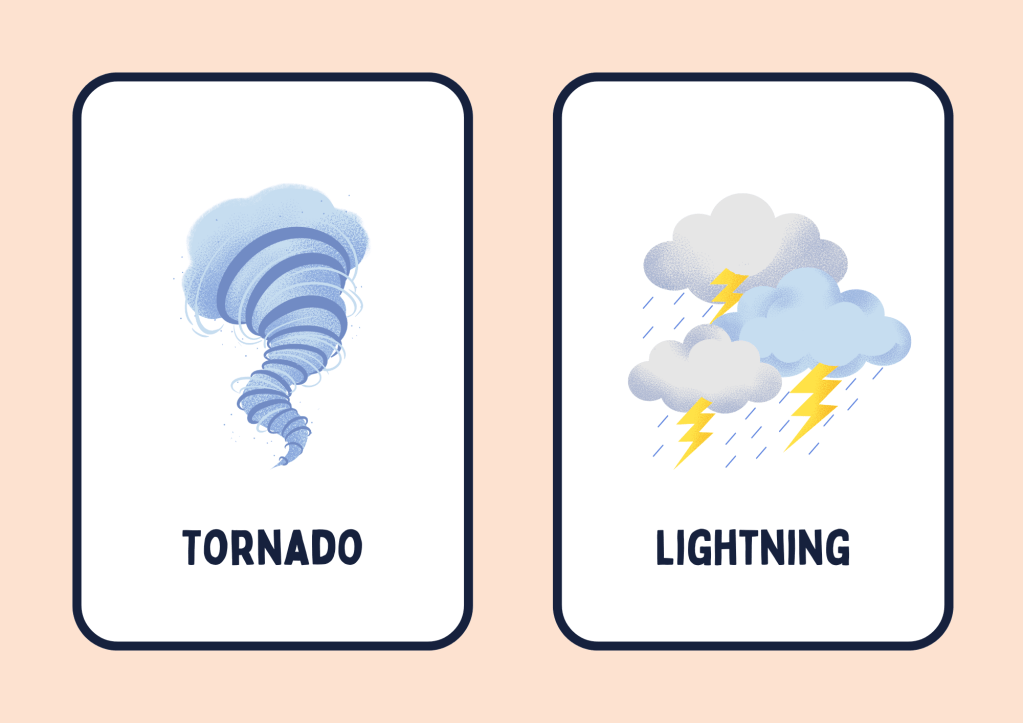
Weather Card Printables for toddlers

Learning Materials

Please comment and let me know if any of these topics are relevant for you and what would you benefit from?

Eve

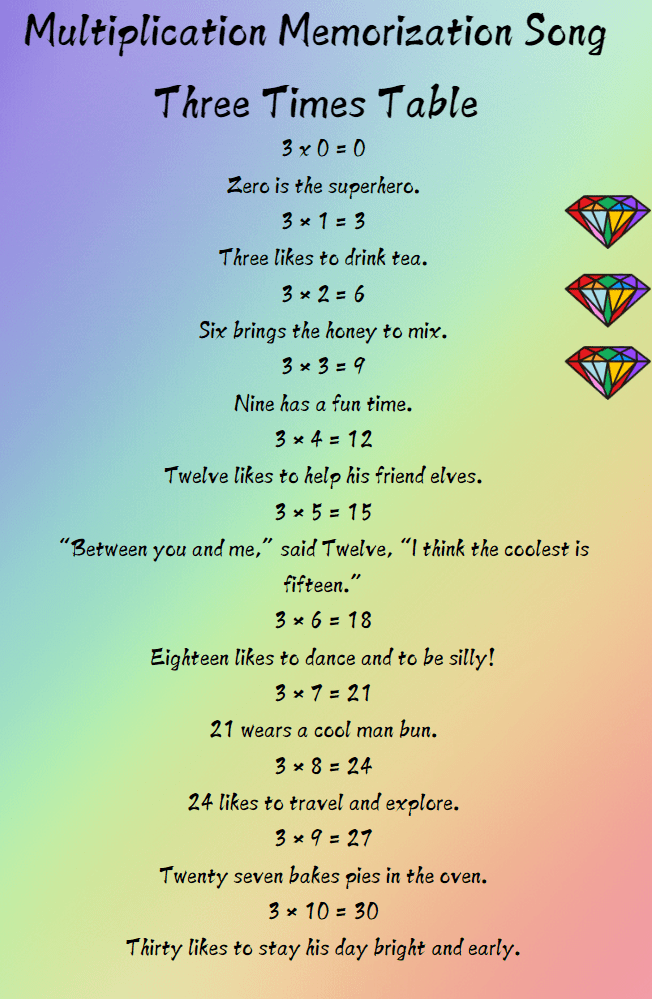
Multiplication Memorization Song Three Times Table

We created a cute and fun song our of our two times memorization poem which is on our YouTube channel.

And here is the Three times son.

Note for Parents and Teachers:
Rhymes like these make learning math fun and memorable! When numbers become characters and stories, children connect with them on a deeper level. Encourage your little learners to recite the rhymes, act them out, or add their own verses to keep the learning playful and interactive. Math can be magical!

Additionally, sing it, or follow our songs and dance to them.

Rhymes by Lizzie, Lilli, Eve

Multiplication Rhymes: The Three Times Table

Three times zero equals zero
Zero is the superhero.

Three times one equals three
Three likes to drink tea.

Three times two equals six
Six brings the honey to mix.

Three times three equals nine
Nine has a fun time.

Three times four equals twelve
Twelve likes to help his friend elves.

Three times five equals fifteen
“Between you and me,” said Twelve,
“I think the coolest is Fifteen.”

Three times six equals eighteen
Eighteen likes to dance and to be silly!

Three times seven equals twenty-one
Twenty-one wears a cool man bun.

Three times eight equals twenty-four
Twenty-four likes to travel and explore.

Three times nine equals twenty-seven
Twenty-seven bakes pies in the oven.

Three times ten equals thirty
Thirty likes to start his day bright and early.

Follow for the next poem/ songs.

I am putting these in a document as well and we will create videos about it.

This practice has already helped my kids memorize some multiplication. The asked for more.

Also coming up: Children’s poetry.

Eve

12 Creative Writing Prompts for Children

I will be using these to inspire my children to create stories with me.

Here’s a list of 12 immersive and fun creative writing prompts for children, designed to spark their imagination and encourage playful storytelling. Each prompt includes character ideas, inspiration, and fun questions to fuel their creativity:

1. The Day My Pet Could Talk

  • Inspiration: One morning, your pet wakes up and starts talking! But they have an important message to tell you.
  • Character Ideas: A wise-talking dog, a sassy cat, or a shy hamster who knows a secret.
  • Fun Questions: What does your pet sound like? What’s the first thing they say? What secret have they been hiding all this time?

2. A Trip to a Candy Planet

  • Inspiration: You discover a hidden rocket ship in your backyard that takes you to a planet made entirely of candy.
  • Character Ideas: A candy-loving alien, a chocolate river guide, or a gingerbread scientist.
  • Fun Questions: What does everything taste like? How do you get around on a candy planet? What’s the biggest danger in a world made of sweets?

3. The Invisible Friend

  • Inspiration: You make an invisible friend who helps you with school and adventures, but only you can see them.
  • Character Ideas: A mischievous ghost, a friendly shadow, or a tiny, invisible fairy.
  • Fun Questions: How do you introduce them to others? What do you and your invisible friend do together? What happens when they accidentally cause trouble?

4. A Dragon Moves In Next Door

  • Inspiration: A family of dragons moves into the house next to yours, and they need your help fitting into human life.
  • Character Ideas: A fire-breathing dragon with stage fright, a baby dragon who loves making pancakes, or a grumpy grandparent dragon.
  • Fun Questions: How do the dragons hide their wings and tails? What jobs do they get in the neighborhood? What happens when they accidentally breathe fire?

5. The Secret Library in the Attic

  • Inspiration: You find a secret door in your attic that leads to a magical library filled with books that come to life.
  • Character Ideas: A talking book that gives you advice, a librarian wizard, or a knight from a fairy tale who’s tired of fighting dragons.
  • Fun Questions: Which book do you open first? What happens when a character from a story steps out of the pages? Can you create your own story-world?

6. Superhero School

  • Inspiration: You discover you have superpowers and get invited to a school for young superheroes.
  • Character Ideas: A kid who can turn invisible, someone who can talk to animals, or a hero who controls the weather but sneezes and makes tornadoes.
  • Fun Questions: What’s your superhero name? What’s your first mission? How do you balance saving the world with homework?

7. The Mysterious Box

  • Inspiration: One day, you find a mysterious box on your doorstep with a note that says, “Do not open until midnight.”
  • Character Ideas: A curious inventor, a sneaky detective, or a magical creature hiding inside the box.
  • Fun Questions: Do you open the box early? What’s inside? Does it lead to an adventure or bring a surprise visitor?

8. Lost in a Maze of Giant Toys

  • Inspiration: You get lost in a life-size toy store where all the toys are gigantic—and they come to life!
  • Character Ideas: A helpful stuffed bear, a bossy robot, or a teddy bear who’s afraid of heights.
  • Fun Questions: How do you find your way out? What’s the most amazing giant toy you meet? What happens when a toy decides it wants to be your friend forever?

9. The Treehouse Time Machine

  • Inspiration: You build a treehouse in your backyard and discover it’s secretly a time machine that can take you anywhere in history.
  • Character Ideas: A daring time-traveling squirrel, a kid inventor from the future, or a pirate from the past who got stuck in the wrong time.
  • Fun Questions: Where do you travel first? Who do you meet? What happens if you accidentally change something important in history?

10. My Life as a Tiny Person

  • Inspiration: One day, you wake up and you’ve shrunk to the size of a bug!
  • Character Ideas: A talking ladybug guide, a friendly ant army, or a wise old beetle who knows the way back.
  • Fun Questions: How do you get around now that you’re tiny? What everyday things are now giant-sized obstacles? How do you get back to normal?

11. The Magical Market

  • Inspiration: You stumble upon a hidden marketplace where magical creatures sell enchanted objects and potions.
  • Character Ideas: A potion-brewing witch, a friendly gnome shopkeeper, or a mischievous talking cat selling magic beans.
  • Fun Questions: What magical item do you buy? What does it do? Does it lead to an unexpected adventure or a big mistake?

12. Underwater Adventure

  • Inspiration: While swimming at the beach, you find a secret underwater kingdom that needs your help to solve a mystery.
  • Character Ideas: A playful dolphin, a royal sea turtle, or a jellyfish with a glowing map.
  • Fun Questions: How do you breathe underwater? What is the mystery you need to solve? What magical sea creatures do you meet along the way?

These prompts offer a blend of imagination, adventure, and mystery, giving kids fun characters and scenarios to build creative short stories from!

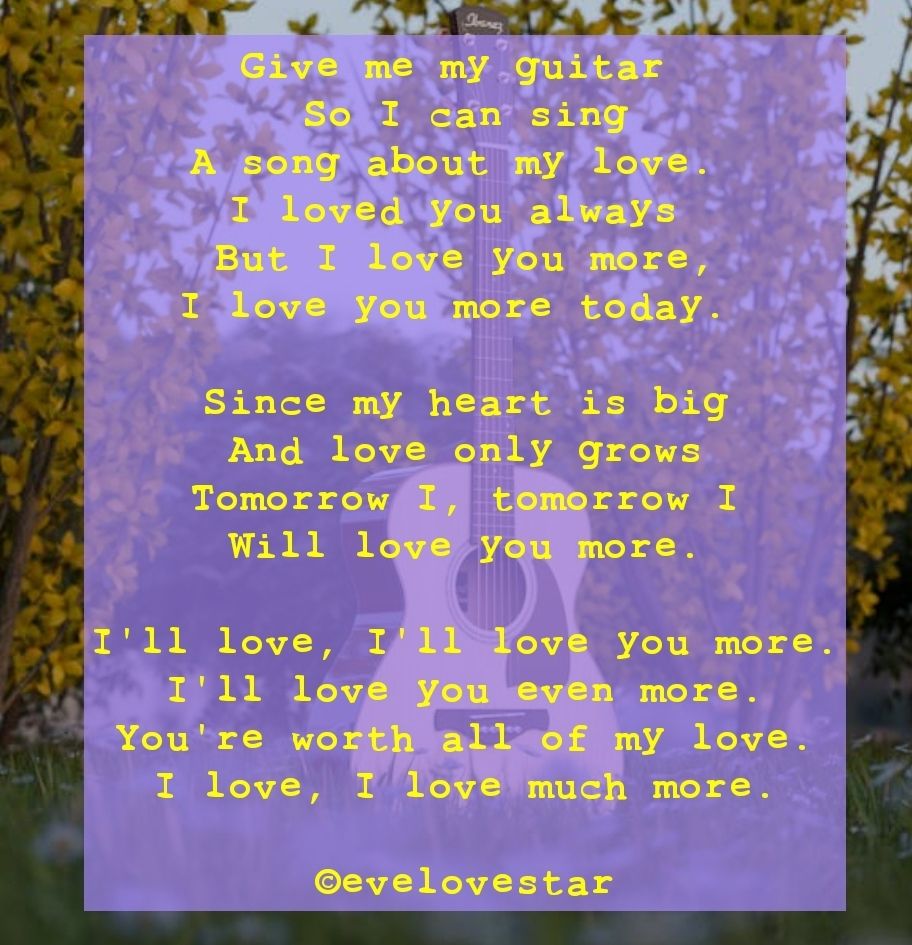
Songwriting: Give me my guitar

Dear reader,

This is a cool song I wrote many years ago.

I have a very old video singing it. I will not show you because it was too awful.

But, I created the lyrics for the song in a better way today.

I am looking for singers or musicians to sing this or any of my other songs. Just ask and I will allow you to.

Lilli is creating a Pandacorn (my newest song) animation right now which is simply adorable.

With love,

Eve

Words: Advice vs. advise

Dear reader,

English is my second language. learned it as an adult. Since I love to learn properly, grammar has been my best friend.

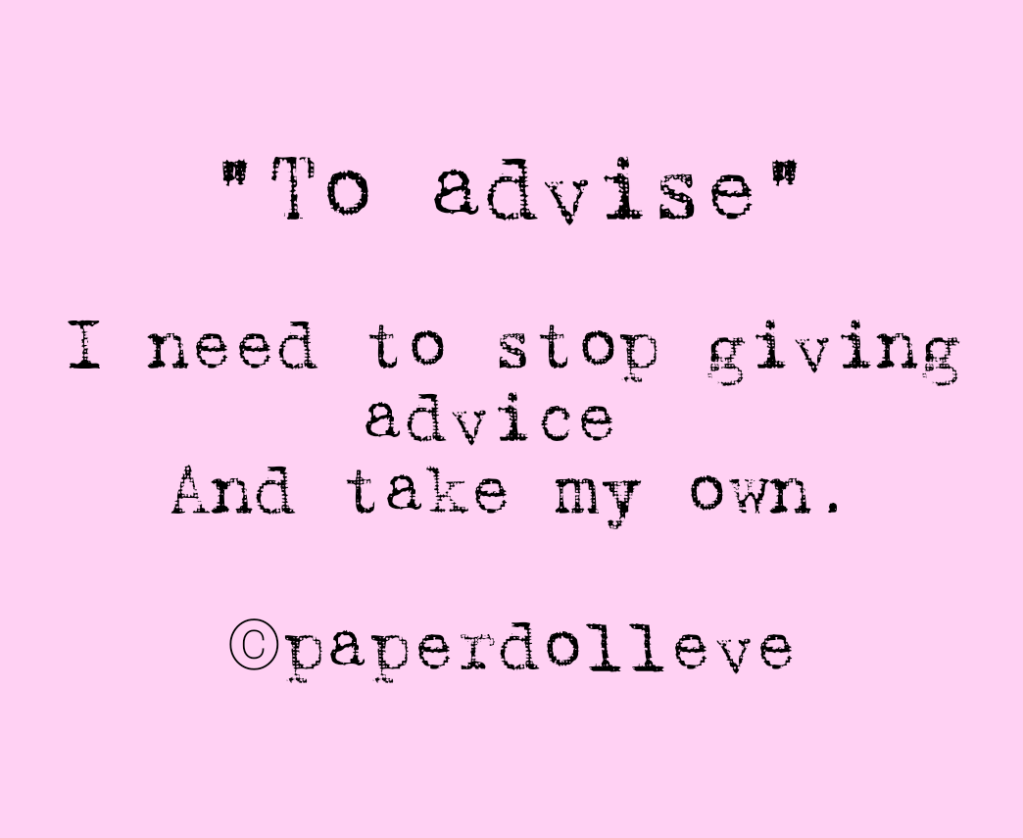
With this short poem, I was trying to make the distinction between advice and advise after I realized I had used the improper spelling of the word. Actually, I thought it was only one word long ago.

When you write, you learn. My advise if you are trying to make a distinction between the two words is to use them in writing. I know now, before, while I was confused and knew I could make a mistake, I would search the difference and find help from a blog post like this one or an article.

Difference between advice and advise

The difference between advise and advice is simple:

  • Advice is a noun, meaning a suggestion or recommendation. Example: “She gave me great advice.”
  • Advise is a verb, meaning to offer a suggestion. Example: “I advise you to listen carefully.”

Tip: Use “advice” when you’re talking about the suggestion itself, and use “advise” when you’re talking about giving or offering that suggestion.

To advice is a verb or a word that refers to action. The action is advising. The word is spelled with an s whenever you say TO ADVISE or ADVISING because these refer to the verb or the action of advising another.

A noun is a thing, wether a physical thing like a table or a non physical thing such as advice

Sentences and examples

When someone is giving a suggestion or recommendation, the action is called advising. So, “advising” is the act of offering advice.

Advice is the thing: the words or suggestions and to advise is the action of saying the advice.

For example:

  • Verb: “The teacher is advising the students to study.”
  • Noun: “The advice she gave was helpful.”

Just remember: the action of giving advice = advising!

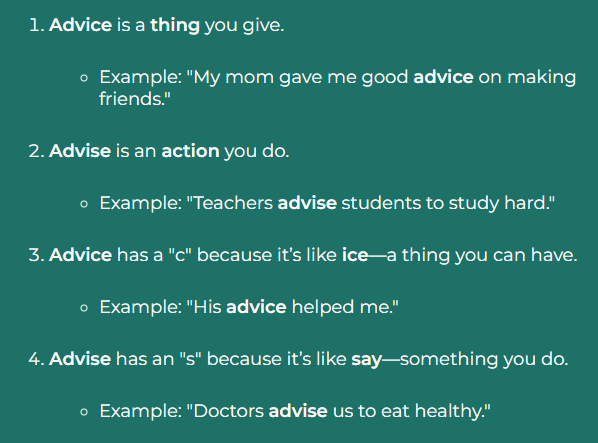
Here are a few simple sentences for children to help them remember the difference between advise and advice:

  1. Advice is a thing you give.
    • Example: “My mom gave me good advice on making friends.”
  2. Advise is an action you do.
    • Example: “Teachers advise students to study hard.”
  3. Advice has a “c” because it’s like ice—a thing you can have.
    • Example: “His advice helped me.”
  4. Advise has an “s” because it’s like say—something you do.
    • Example: “Doctors advise us to eat healthy.”

These can make it fun and easier for children to remember the difference!

Was this helpful?

Feel free to use my poem in your lesson or class or as a reminder.

Please tell me if you would like to see more like this,

With love,

Eve

Magnificent Letter G: handwriting practice with poetry.

Dear reader,

Lizzie does not want to learn cursive. I listen.

But she came to me and requested help.with her letter g, lowercase.

She collaborated with me to create this G poem and practiced until we loved her letter g.

The graceful groom
In Ancient Greece
Was in gloom all week:
Ghastly days, lost grace,
His good wife, a ghost,
In the green garden.
Heart goes grey,
Galaxies away,
Gracious goddess:
Gown, crown, greatness.
Green grape dance to the god,
Bring my wife back.
The god’s generous reply,
A glistening sun ray,
And a goose to greet.
In two years time,
Sacrifice a goat,
And your girl will grow
From the goose,
Take care and groom her
Be warned: if you neglect her,
Your guilt a curse will be
To grueling loneliness.

End of story by Lizzie

The groom agrees, he will not neglect the Goose. Two years pass slowly, the groom Has been taking good care of the goose, the Groom brings the goat to the altar, and Prays, Grape god returns, Two years have Passed, Your wish shall be granted, goose Into wife, I command. The groom reunited, He is happy again with his wife. This story Ends with a happy ending.

Lizzie practiced her letter g handwriting by writing the poem on a paper and her creative writing by creating this poem with me as well as writing the ending all by herself.

©evelovestar